Author Archives: developer

Expert Guide on 25 Modern Living Room Chairs To Enhance Your Home Decor In 2026

Top 25 Modern Living Room Chairs To Enhance Your Home Decor In 2026

Expert Guide on 25 Modern Living Room Chairs To Enhance Your Home Decor In 2026

Top 25 Modern Living Room Chairs To Enhance Your Home Decor In 2026

Choosing the right modern living room chair is about more than just adding a seat to a floor plan. In 2026, the trend has shifted towards “quiet luxury,” where the focus is on how a single, well-crafted piece can anchor an entire room’s aesthetic.

Discovering a balance between form and functionality requires considering various living room chair ideas that strike a balance between style and longevity.

Whether you are specifying furniture for a high-end residential project or simply looking to refresh your own sanctuary, the goal remains the same. It’s about creating an environment that feels curated rather than cluttered. The right chair doesn’t just fill a corner; it elevates the architectural silhouette of your home.

At Mi-Silla, we believe that every project deserves a bespoke touch. Our approach focuses on high-quality craftsmanship and technical precision to ensure each piece meets the rigorous standards of professional design while providing comfort. From your unique design vision to a custom chair that feels built for your space, we are here to help you navigate the top styles of the year.

We’ve compiled 25 of the best modern living room chair styles in this blog, with clear guidance on why each works, who it’s best for, and how to use it well. Read on to find out how Mi Silla can help you bring the right chair to life!

How to Choose the Right Chair for Your Living Room?

Finding the right accent chair for a modern living room requires a balance between architectural scale and personal comfort.

For professionals managing a project, the priority is often technical specifications, durability, and consistency across the design scheme. For homeowners, the focus is typically on comfort, scale, and how the chair complements daily life and the surrounding decor.

Here are the essential factors to consider when selecting your next statement piece:

  • Analyze the Spatial Scale
    Measure your floor plan to ensure the chair’s silhouette doesn’t overwhelm the room. A well-proportioned piece maintains the flow of the space while acting as a clear visual anchor.
  • Prioritize Ergonomic Comfort
    The most comfortable living room chairs provide lumbar support without sacrificing a modern aesthetic. Consider the seat depth and cushion density to ensure the chair is as functional as it is beautiful.
  • Select Purpose-Driven Materials
    Choose fabrics and finishes that align with the room’s primary use. High-traffic commercial projects benefit from performance leathers, while private reading nooks are perfect for soft, tactile velvets or wool blends.
  • Coordinate with Design Vision
    Ensure the chair’s legs and frame finish match other architectural details in your home. This consistency creates a cohesive look that feels intentionally designed rather than quickly assembled.
  • Evaluate Long-Term Versatility
    A timeless design allows the chair to transition between different rooms or future project concepts. Investing in a classic shape ensures the piece remains relevant even as your interior style evolves.

Why Modern Chairs Matter in the Living Room?

The right modern living room chair does more than fill an empty corner. It acts as a functional sculpture that defines the room’s character. In today’s design landscape, these pieces bridge the gap between high-end architectural concepts and the practical comforts of daily life.

Here is why investing in a modern silhouette is essential for a well-curated space:

  • Defines the Room’s Silhouette
    A modern chair introduces clean lines and sophisticated shapes, elevating the entire room’s visual language. It provides a focal point that ties together your other furniture pieces into a cohesive design.
  • Enhances Daily Lifestyle
    Choosing from a variety of modern lounge chairs for the living room ensures your home supports relaxation and connection. These pieces are designed for real life and offer a dedicated spot for reading, conversation, or unwinding.
  • Showcases Individual Style
    Modern designs allow homeowners and designers to express a unique vision through bold textures and custom finishes. A single accent chair can transform a neutral space into a gallery-like environment with minimal effort.
  • Optimizes Spatial Flow
    The streamlined profiles of modern furniture help maintain an open, airy feeling even in smaller floor plans. They provide necessary seating without adding the visual bulk often found in more traditional, oversized furniture styles.

Top 25 Modern Living Room Chairs to Elevate Home Decor in 2026

Choosing the right types of living room chairs is one of those decisions that shape how a room feels long after the design work is done.

The chairs below represent 25 of the most compelling options across every style, material, and design era, each selected for a specific reason and available through Mi-Silla’s curated collection.

These are not just recommendations; they are design-led chair types with real heritage, lasting relevance, and the kind of presence that makes a living room feel genuinely considered.

1. Luxury Totu Armchair

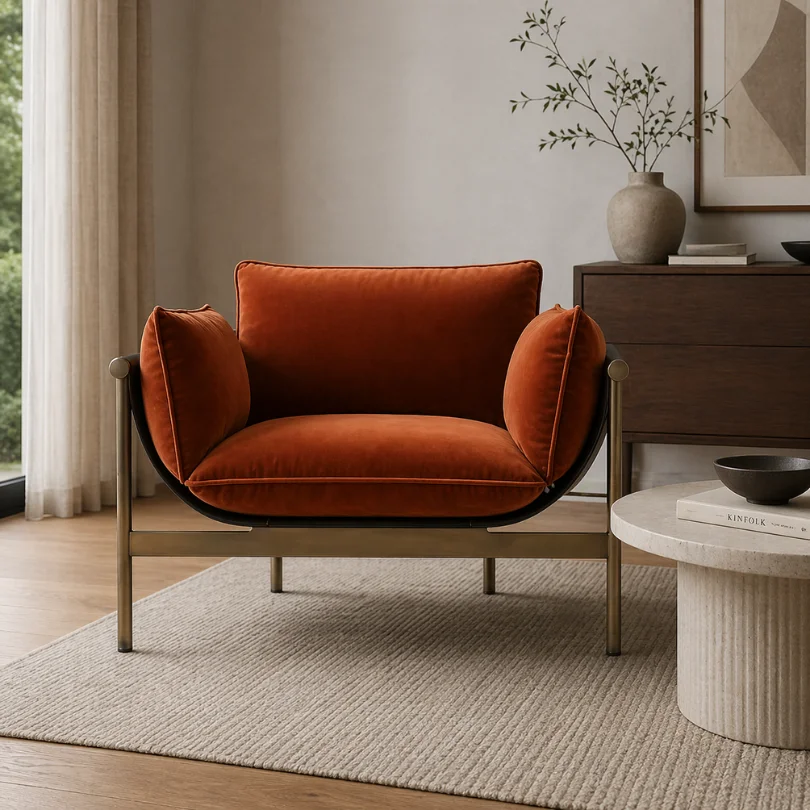
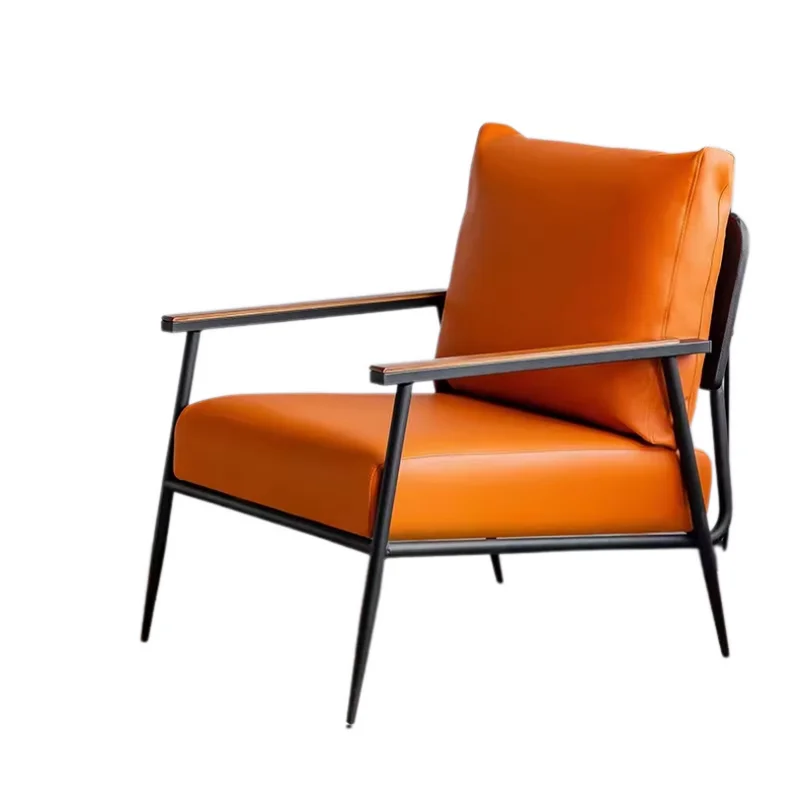
If a living room needs a seat that commands attention, the Luxury Totu Armchair steps into that role effortlessly. Its elegant metal tubular frame pairs with generously upholstered leather cushions on both the seat and the back, creating an intimate corner that invites conversation and genuine relaxation.

Designers sourcing boutique hotels, private residences, or high-end lounges will find it a quietly commanding piece, refined enough to anchor a room, flexible enough to work within a wider curated scheme.

Orange velvet lounge chair with a black metal frame sits in a modern living room on a beige rug, with a round coffee table and wooden dresser nearby.
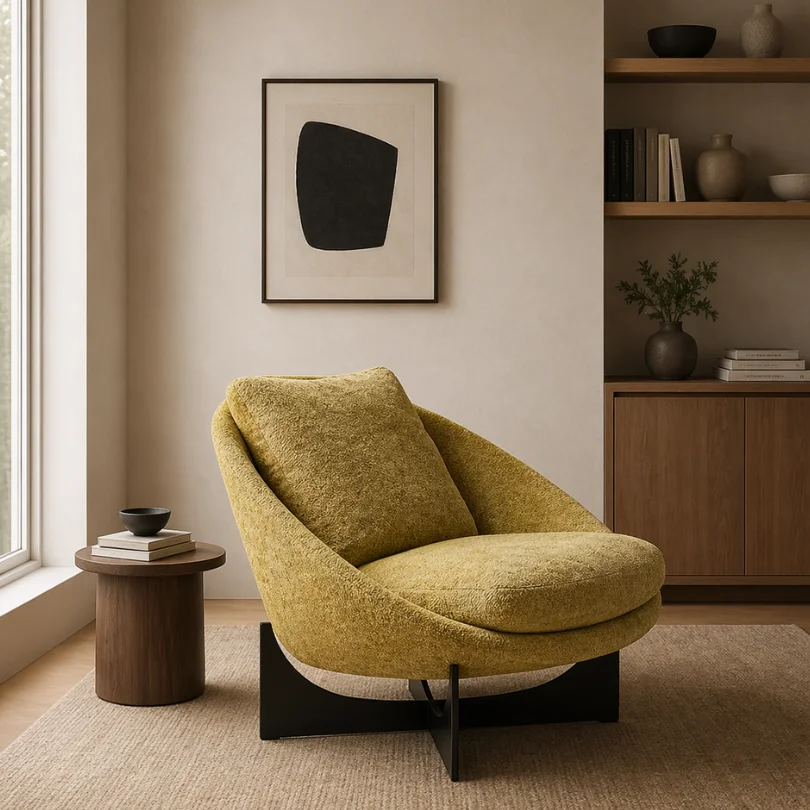
Mustard-yellow upholstered lounge chair with a curved back sits on a black metal base beside a round wooden side table in a bright living room.

2. Lido Armchair

Clean proportions and a relaxed, slightly reclined posture make the Lido Armchair the kind of modern living room chair that reads differently depending on the company it keeps, tailored in a minimal white interior, expressive in a warmer, layered space.

Its mid-century sensibility translates equally well to residential living rooms and boutique hospitality settings where designers are after a seat with personality and staying power.

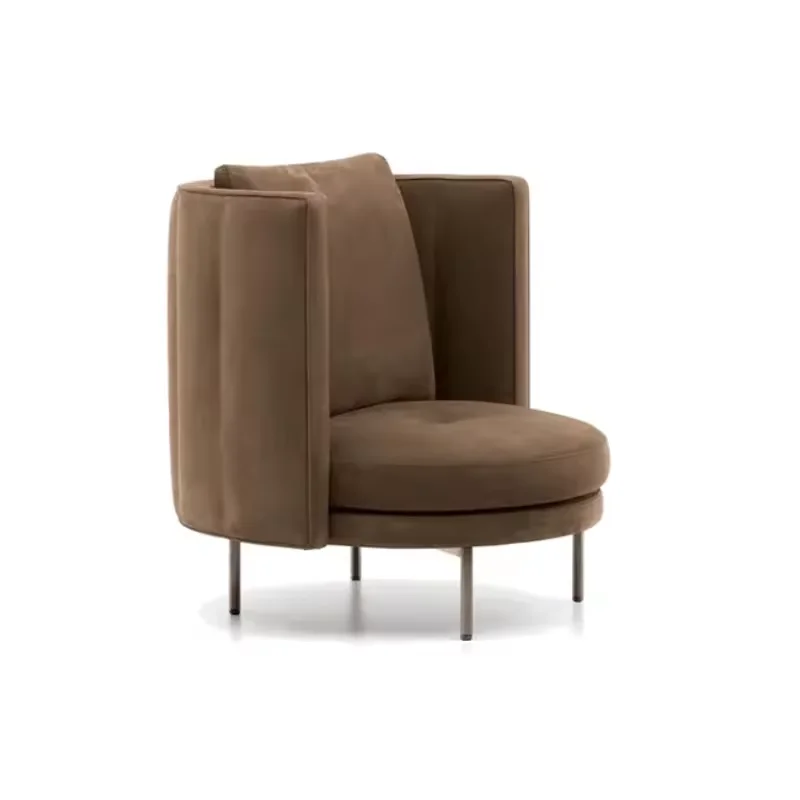
3. Tori Armchair Wingback Chair

The wingback silhouette has been earning its place in well-dressed rooms for centuries. The Tori Armchair brings that heritage forward without letting it feel dated.

Its high back, winged sides, and upholstered frame create a sense of enclosure that works beautifully in reading corners and lounge areas alike. Interior designers often use this chair as a transitional piece as it bridges traditional and contemporary in a single, well-proportioned seat.

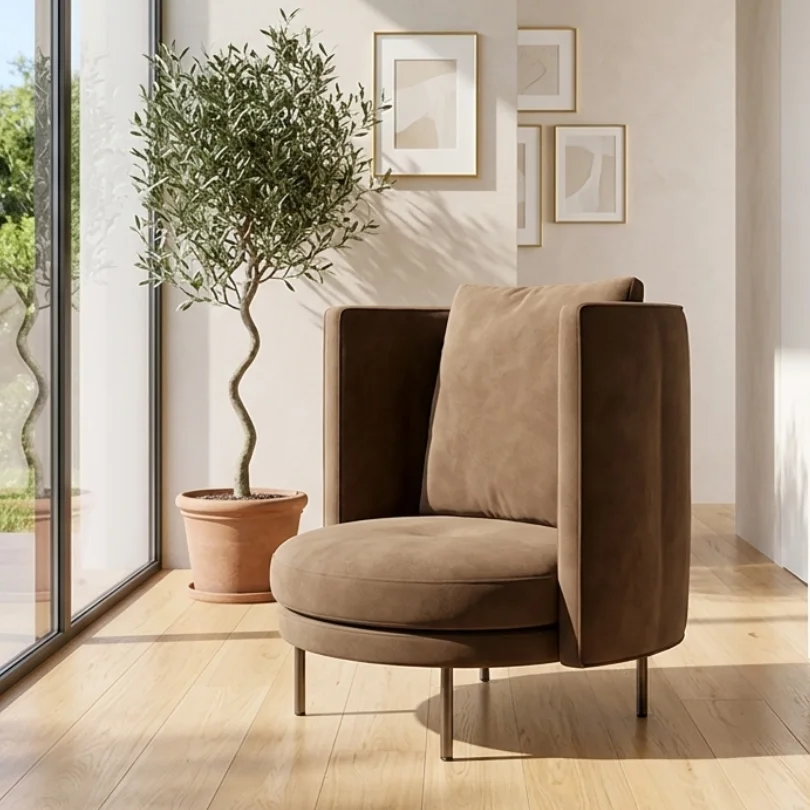
Brown circular lounge chair with high side panels in a sunlit living room beside a potted olive tree in a terracotta pot.
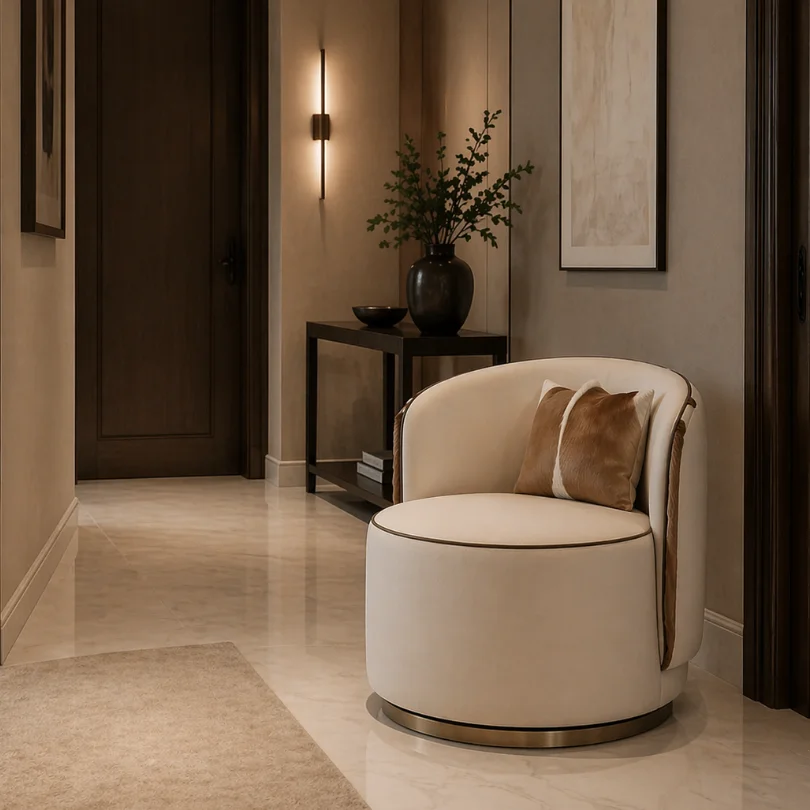
Cream circular lounge chair with brown cushions sits in a beige-toned hallway, next to a console table with a black vase and greenery.

4. Vintage Annabelle Armchair

Not every modern living room wants to look like it was assembled last month. The Vintage Annabelle Armchair leans into old-world craftsmanship with its gracefully curved arms, richly upholstered seat, and beautifully finished details, while sitting comfortably in a contemporary interior.

It’s the chair that makes a room feel collected rather than decorated, and it’s built with scratch-resistant upholstery engineered for real everyday use.

5. Timber Arm Accent Lounge Chair

There’s warmth that only natural wood brings to a modern interior, and the Timber Arm Accent Lounge Chair channels that quality directly into its exposed arm construction. The combination of wood and upholstered seating grounds a living room that skews too cool or too clinical, adding organic texture without sacrificing the clean lines of a contemporary scheme.

Architects and contractors specifying for residential projects will find it fits equally well in Scandinavian, farmhouse, and transitional palettes.

Timber-Arm Accent Lounge Chair with orange cushioned seat and back, sleek black metal frame, and minimalist modern design
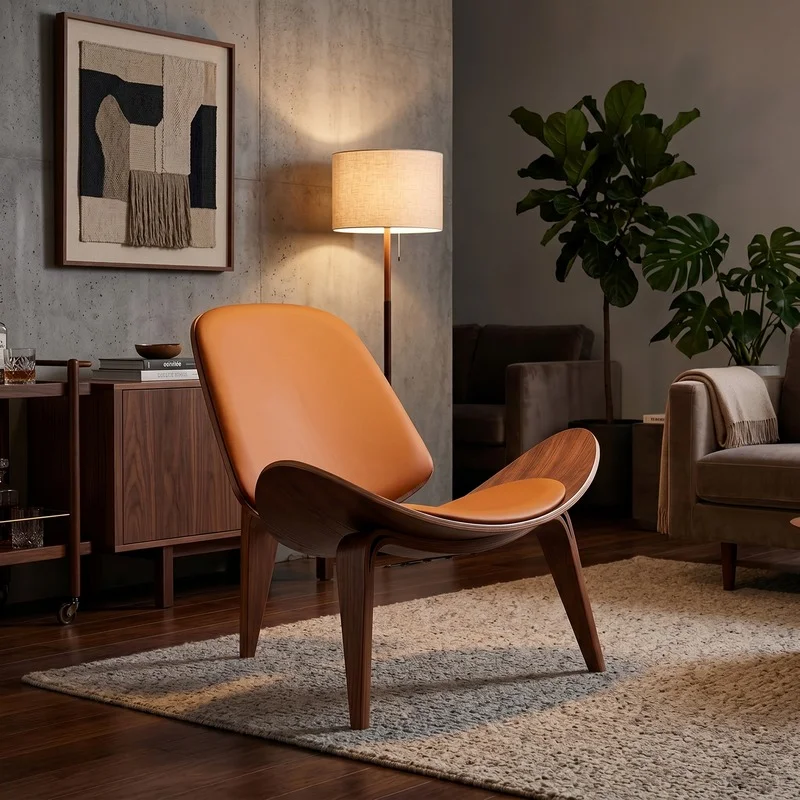
Mid-century orange leather lounge chair with curved wood arms on a beige rug, beside a floor lamp in a cozy living room.

6. Naranja Shell Lounge Chair

The shell lounge chair is one of mid-century design’s most enduring contributions to the modern living room. The Naranja Shell Lounge Chair is a precise, elegant expression of that tradition.

Three tapering legs and a curved seat put the sitter in the exact reclined position for which the form was engineered. Available in leather upholstery with olefin fiber options for high-traffic environments, it’s as practical for hospitality specs as it is at home in a private residence.

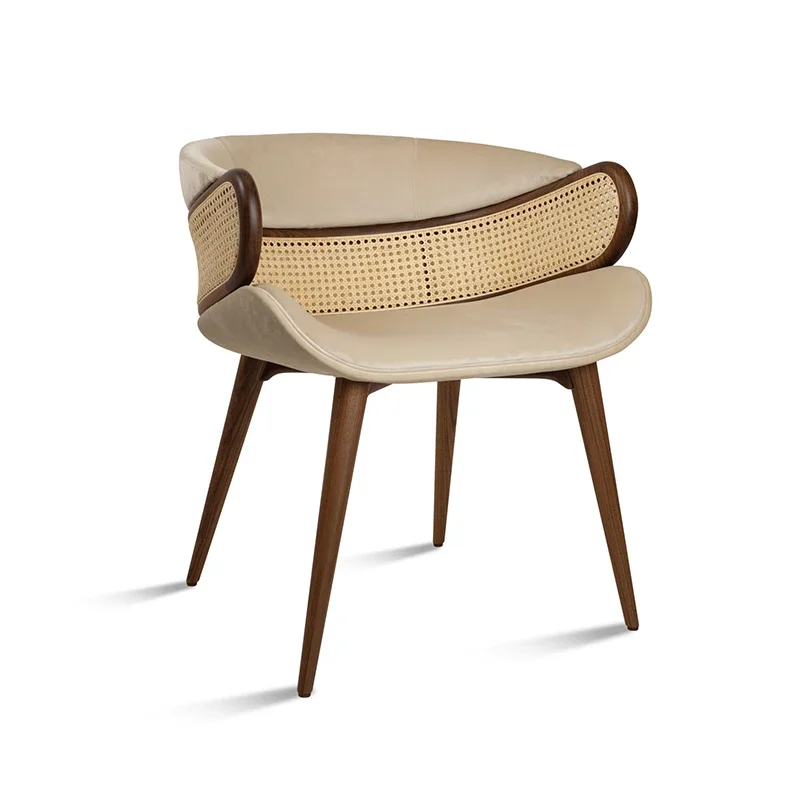
7. Mudhif Dining Armchair

A dining armchair that holds its own in the living room is a rarer find than it should be. The Mudhif Dining Armchair crosses that boundary with a silhouette refined enough to pull double duty at a dining table, in a conversation area, or as a standalone accent seat.

Its clean construction and thoughtful proportions make it a strong specification choice for open-plan spaces where dining and living areas flow into each other without a hard visual break.

Mudhif Dining Armchair with beige upholstered seat, curved backrest, woven cane panel, and solid wood legs in a modern style
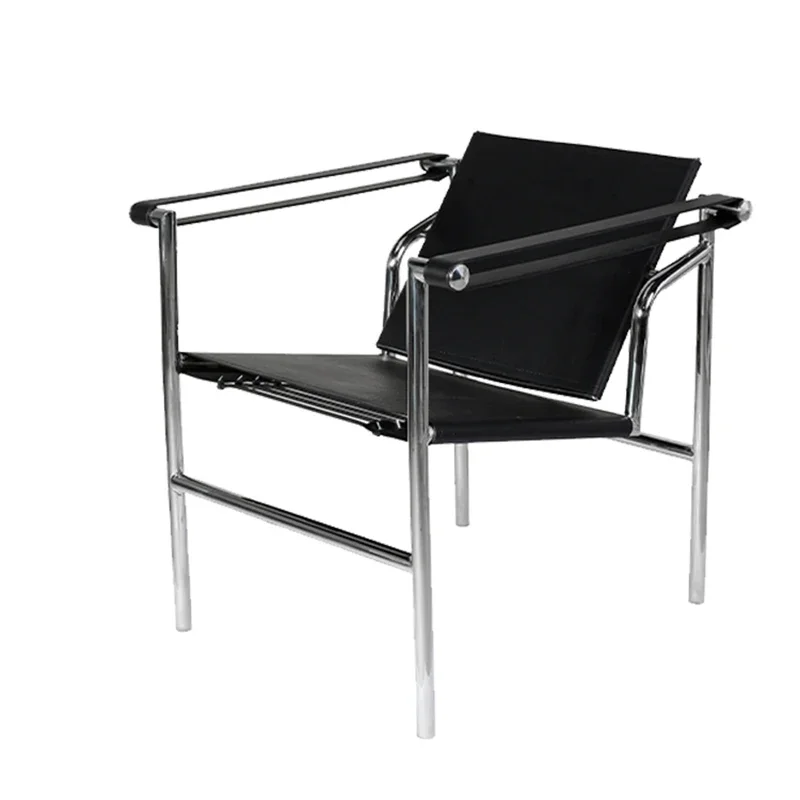
LC1 Chair with black leather sling seat and back, tubular chrome steel frame, and minimalist modern design

8. LC1 Chair

Designed by Le Corbusier, Pierre Jeanneret, and Charlotte Perriand, the LC1 is not a chair that needs much introduction. Still, it rewards a closer look every time. Mi-Silla’s LC1 Chair delivers the tubular steel frame, leather sling seat, and Bauhaus-rooted architectural minimalism of the original in a version built for contemporary interiors.

Architects and design-forward clients reach for it when the brief calls for a piece that demonstrates genuine design literacy. In a living room, it functions as both a seat and a statement about knowing exactly what you’re doing.

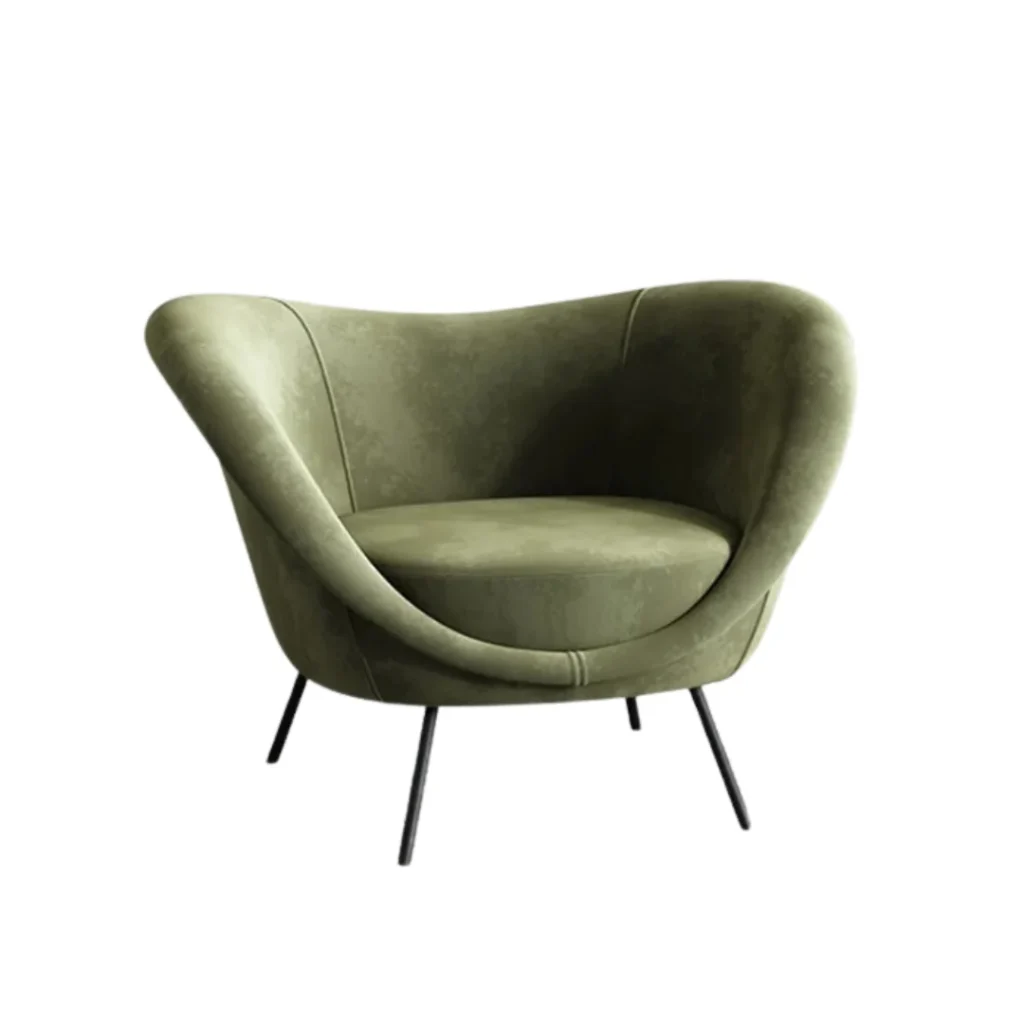
9. D-154-2 Armchair

The D-154-2 Armchair earns its spot in this list for the reason that every great modern accent chair earns its place as it has a distinctive point of view. The sculptural form and considered upholstery choices make it an interior designer’s natural shortcut to a room that looks curated.

Place it in a corner with a floor lamp and a side table, and you get the kind of reading nook a homeowner describes to guests within the first five minutes of the tour.

D.154.2 Armchair featuring green upholstered seating with a curved backrest and slim black metal legs on a white background
Otrast Leather Dining Chair with yellow seat, curved white backrest, gold metal arms, and black tapered legs in modern style

10. Otrast Leather Dining Chair

Leather and the living room have a long, well-documented relationship. Still, it takes a specific chair to pull that combination off without tipping into cliché. The Otrast Leather Dining Chair strikes a clean balance: high-quality leather upholstery, a composed silhouette, and the durability to withstand real daily use.

It works equally well around a dining table or placed as an accent seat in the living room, making it a practical and good-looking specification for projects where flexibility matters.

11. Fritz Hansen Space Chair

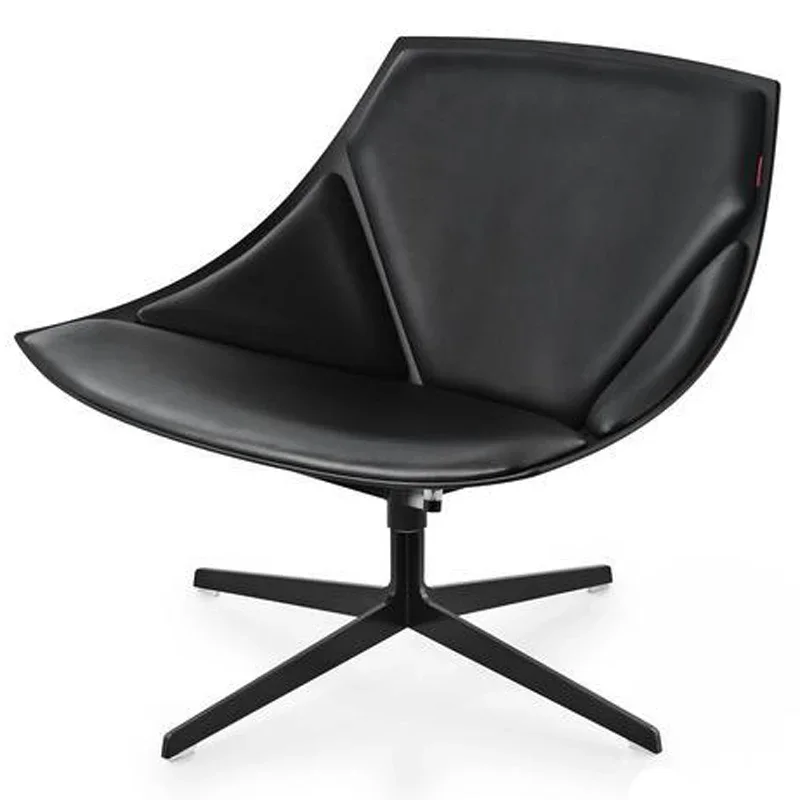
The Space Chair’s injection-molded ABS shell and aluminum swivel base capture a specific moment in design history, the point where Scandinavian functionalism met the optimism of the space age, and the result has aged remarkably well.

Our Fritz Hansen Space Chair brings that sculptural, high-gloss sensibility into the modern living room with a swivel base that makes it a natural choice for open-plan spaces where the chair needs to face more than one direction.

A modern Fritz Hansen Space Chair, featuring a low-slung, continuous form upholstered in smooth cream or light beige material, with deep curves creating the seat and arms.
A modern Gamma Harley Chair, upholstered in matte blue-grey leather, featuring a deeply scooped, winged seat and backrest on a conical pedestal base with a round metal disk.

12. Gamma Harley Chair

Full-grain leather, a solid hardwood frame, and high-resilience foam cushioning position the Gamma Harley Chair in comfortable living room chair territory without compromising on looks. The leather develops a natural patina over time, which means this chair gets better with use, not worse.

It’s a strong fit for private residential projects where the client wants seating that reads as an investment rather than a purchase, and for contract environments where durability and visual quality need to coexist.

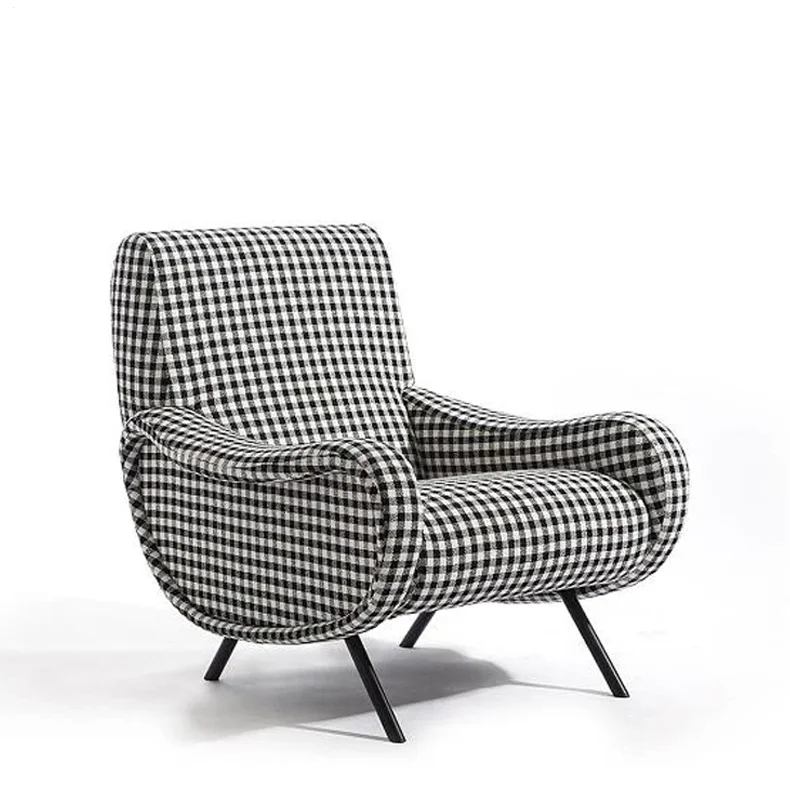
13. Iconic Lady Armchair

There is a category of chairs that doesn’t need explanation. It simply needs to be placed correctly. The Iconic Lady Armchair falls squarely in that category. Its expressive Italian-modern form, curvaceous profile, and upholstered finish make it the kind of modern living room accent chair that pulls the entire room’s design sensibility into focus.

Interior designers reaching for a single piece to elevate an otherwise restrained scheme will find this is the one.

Iconic Lady Armchair with black and white checkered upholstery, curved arms, plush cushioning, and sleek angled metal legs
Iconic Fabric Le Bambola Armchair in soft cream upholstery, plush sculptural form with rounded arms and deep cushioned seat for modern interiors

14. Iconic Fabric Le Bambola Armchair

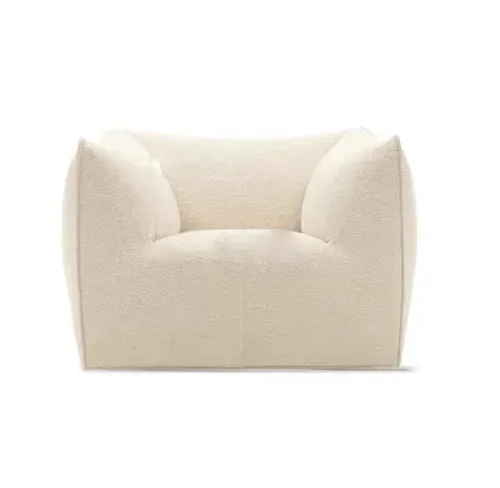
Mario Bellini’s Le Bambola design is one of those pieces that stopped the design world in its tracks and has never really let go. Our Iconic Fabric Le Bambola Armchair brings that signature combination of soft, sculptural form and generous cushioning into the contemporary living room.

What makes it special is the apparent absence of a rigid internal structure. The whole thing looks and feels like it grew that shape naturally. In any room, it reads as both deeply comfortable and genuinely design-literate.

15. Living Room Lamb Wool Armchair

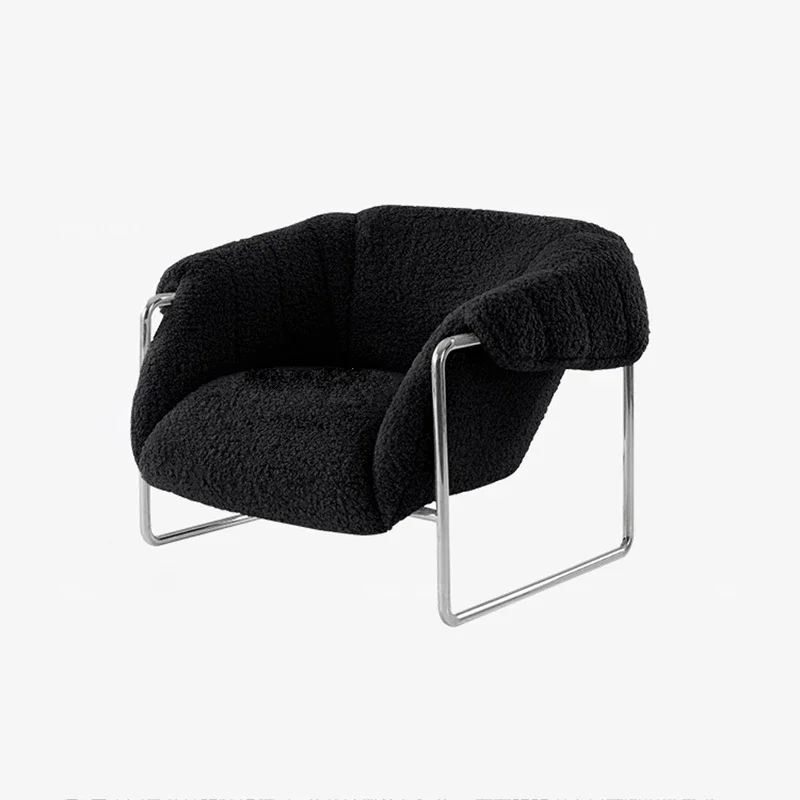
Rooms dominated by hard surfaces, like stone, lacquer, and metal, often need one piece that brings warmth back in from the cold. The Living Room Lamb Wool Armchair does exactly that.

Soft, luxurious lamb wool upholstery creates a plush texture that catches light differently throughout the day. The neutral palette keeps it versatile across modern minimalist, farmhouse, and Scandinavian interior schemes. Its natural warmth makes it a standout comfortable living room chair that people gravitate toward instinctively.

Living Room Lamb Wool Armchair with plush black upholstery and curved seat on a sleek chrome metal frame, modern minimalist design
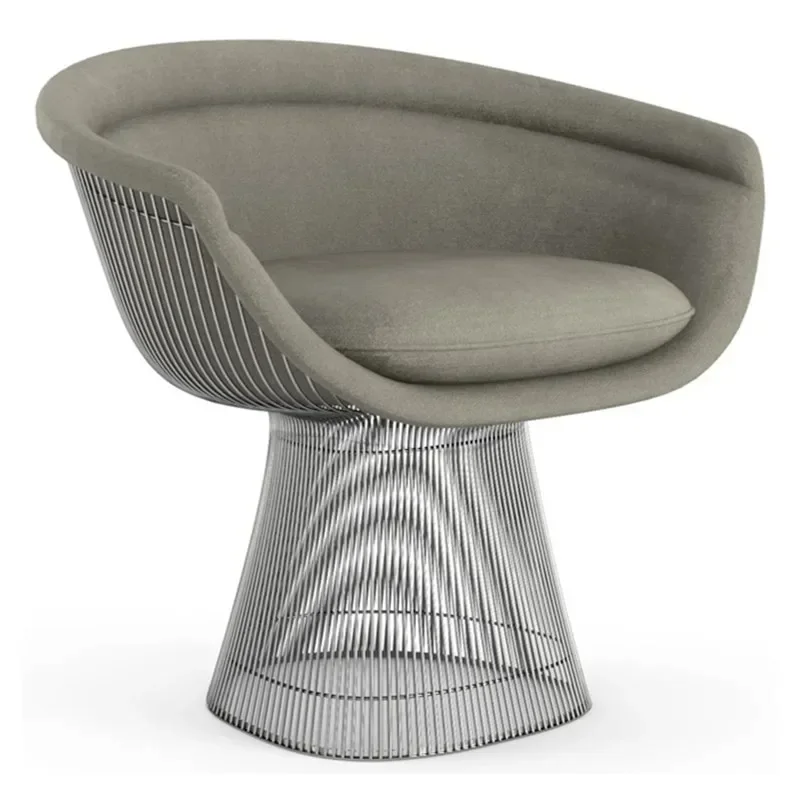
A mid-century modern Platner Lounge Chair featuring a grey upholstered seat on a sculptural, decorative nickel-plated steel wire base.

16. Platner Lounge Chair

Warren Platner built his 1966 lounge chair around a single conviction: that furniture could be ‘decorative, gentle, graceful.’ Hundreds of welded steel rods form a base that catches the light like a sculptural object, topped with plush upholstered cushioning that delivers genuine comfort alongside the visual drama.

Our Platner Lounge Chair in stainless steel is one of the most frequently specified iconic lounge chairs for upscale residential and hospitality interiors, the kind of chair that earns its place on both the mood board and the final invoice.

17. Sheepskin Bollo Accent Chair

A sheepskin-upholstered chair is one of those material decisions that photographs beautifully and feels even better in person. The Sheepskin Bollo Accent Chair brings a rich, tactile warmth to modern living rooms with its textured surface, softening harder architectural elements and adding a layer of relaxed luxury.

It works particularly well in Scandinavian-influenced interiors, spa and wellness hospitality settings, and any residential space where the design brief includes both ‘cozy’ and ‘sophisticated’.

Sheepskin Bollo Accent Chair in black with plush cushioned seat, rounded backrest and armrests on a slim metal frame
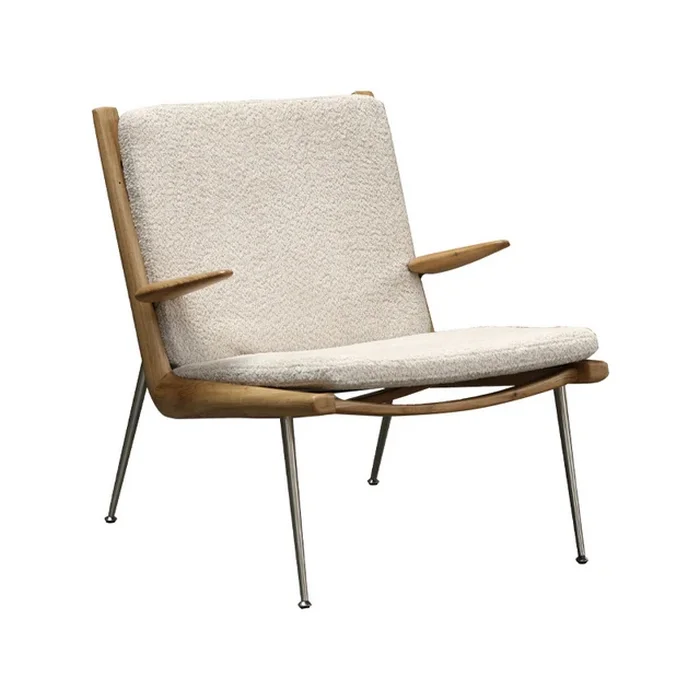
Boomerang Lounge Chair: Mid-century modern armchair with textured white upholstery, wooden wing arms, and tapered metal legs.

18. Boomerang Lounge Chair

The Boomerang Lounge Chair is defined by its sweeping, curved geometry, making it one of the most visually dynamic modern lounge chair options in our collection.

It has the quality of a piece that stops you mid-conversation – an angular, retro-modern silhouette that works beautifully as a standalone statement in a larger open-plan space. Interior designers frequently turn to it when the project needs one chair that earns genuine admiration.

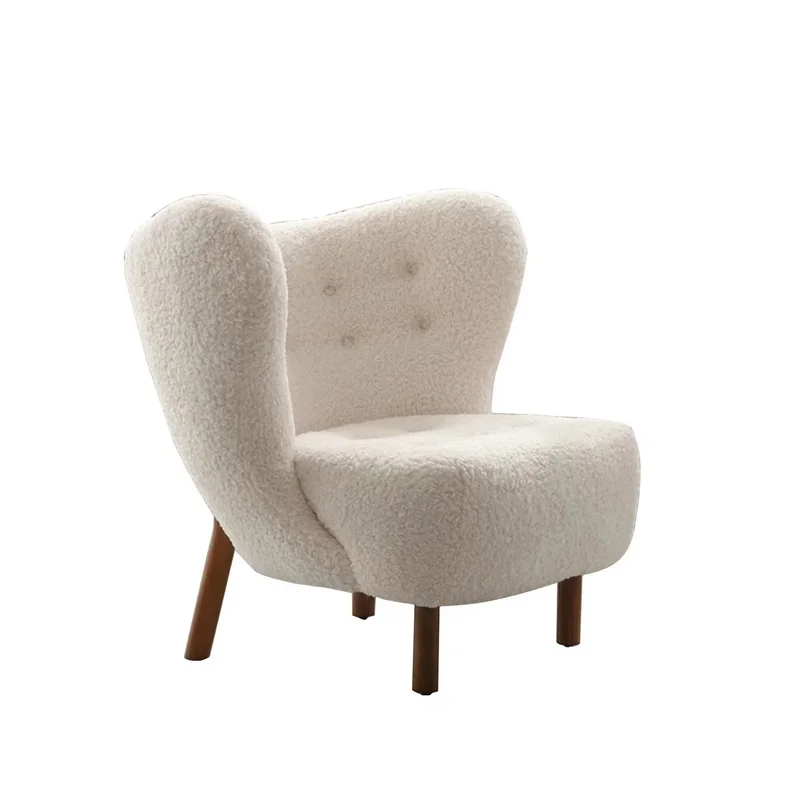
19. Pelican Lounge Chair

Finn Juhl’s Pelican Chair, originally conceived in 1940, is one of the most warmly received chairs in Danish design history. Its outstretched, wing-like arms and organically curved body are as close as a chair comes to being described as sculptural free art.

The Pelican Lounge Chair brings that characteristic fluidity and generously proportioned comfort into modern living rooms, studies, and lounge spaces. It’s the chair that makes a room feel like it has a genuine design story, not just a well-curated Pinterest board.

Pelican Lounge Chair in soft cream boucle with curved wingback design, button tufting, and short wooden legs
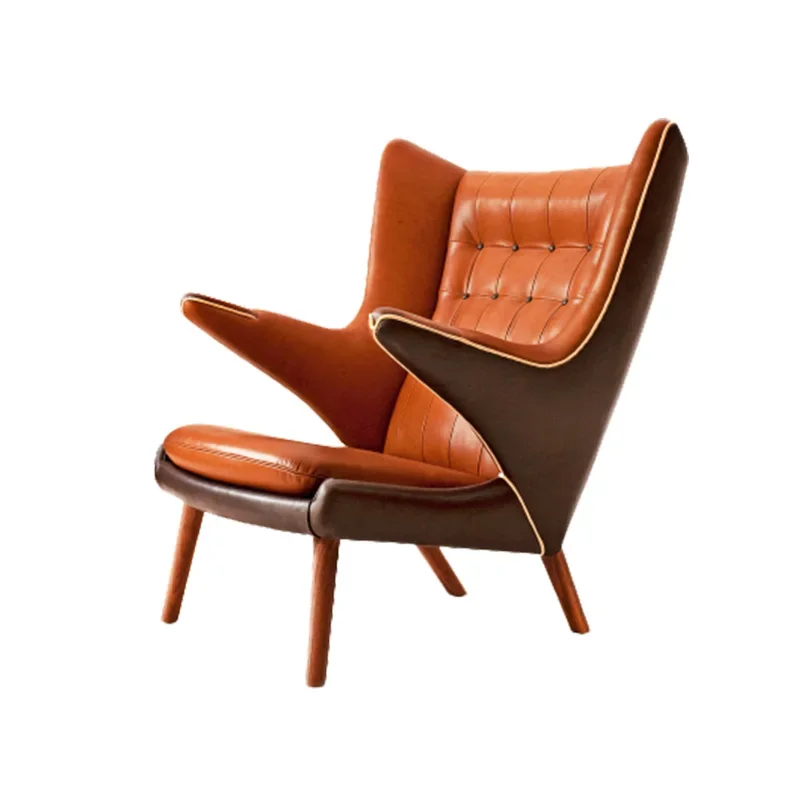
Papa Bear Lounge Wingback Chair with brown modern finish for your interior

20. Papa Bear Lounge Wingback Chair

Hans Wegner named this chair well. The Papa Bear Lounge Wingback Chair wraps its sitter in extended arms that feel genuinely enveloping, providing back, shoulder, and neck support that most modern lounge chairs don’t match. Its full, generous form becomes a visual centerpiece wherever it lands.

Design professionals reaching for the most comfortable living room chair with real character will find this one hard to walk past. At home, it becomes the chair everyone quietly claims for themselves.

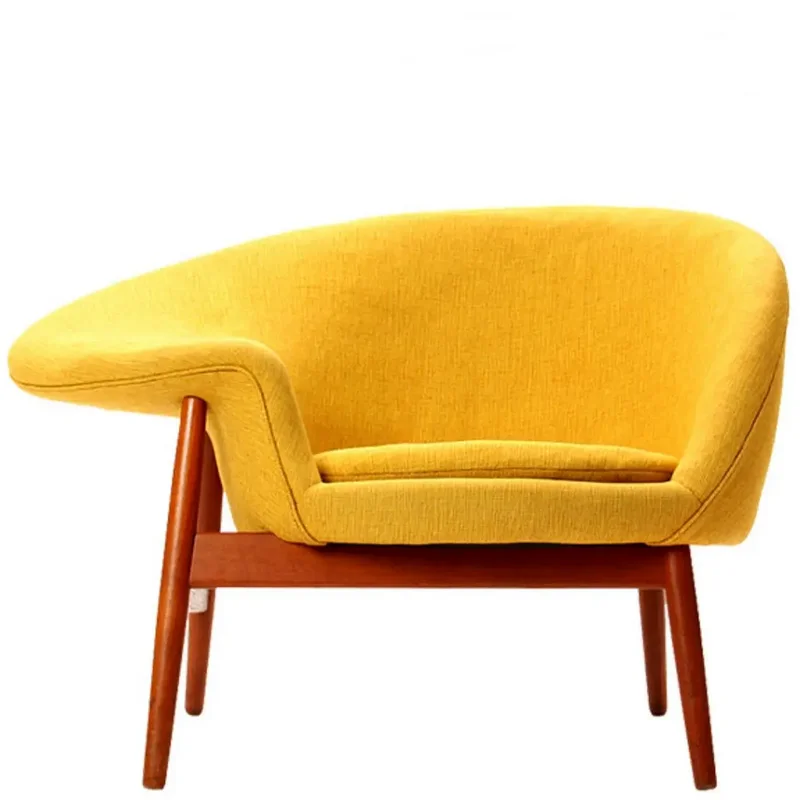
21. Fried Egg Lounge Chair

The best chair in the living room is sometimes the one that makes people smile before they even sit in it. The Fried Egg Lounge Chair has that quality, a round, low-slung organic form that’s both visually whimsical and genuinely comfortable.

It works in living rooms, reading corners, and hospitality lounges where the design brief is confident enough to allow a moment of personality. Pair it with more restrained pieces, and it becomes the room’s defining accent; give it a swivel base, and it’s functional to boot.

Mid-century modern Fried Egg Lounge Chair in yellow upholstery with an asymmetrical curved backrest and solid wood legs.
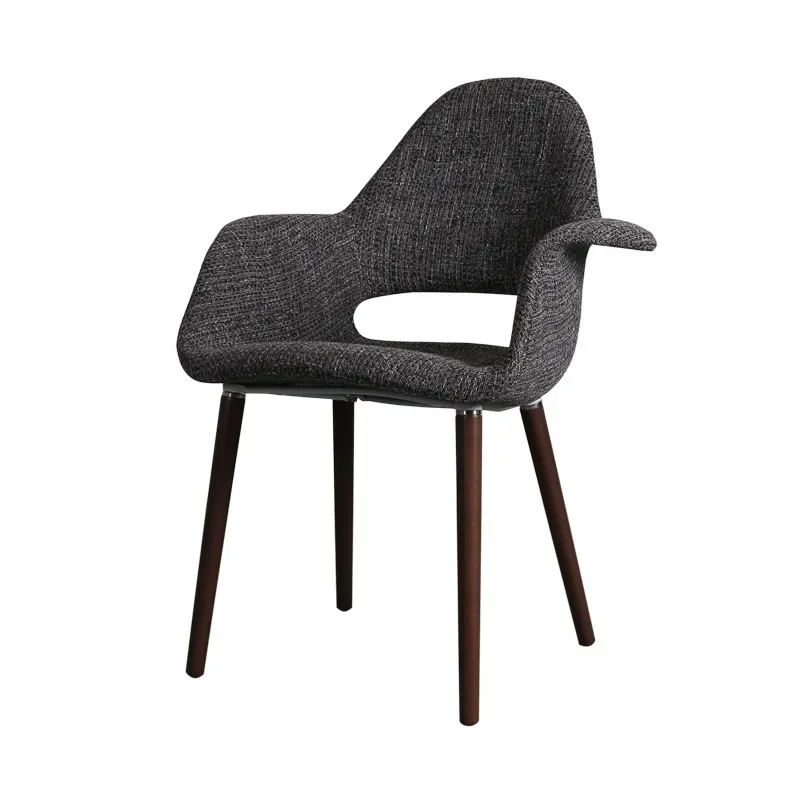
Organic Chair with textured gray fabric, sculpted armrests, and curved seat on tapered wooden legs, mid-century modern style

22. Organic Chair

The organic chair sits at the intersection of modernist design and human-centered design. Mi-Silla’s Organic Chair brings that philosophy into the modern living room. This piece reads as sculptural from across the room and is deeply comfortable the moment you settle into it.

Interior designers specifying for residential clients with a design background or for design-forward commercial spaces will find it holds its own as both a chair and a conversation piece.

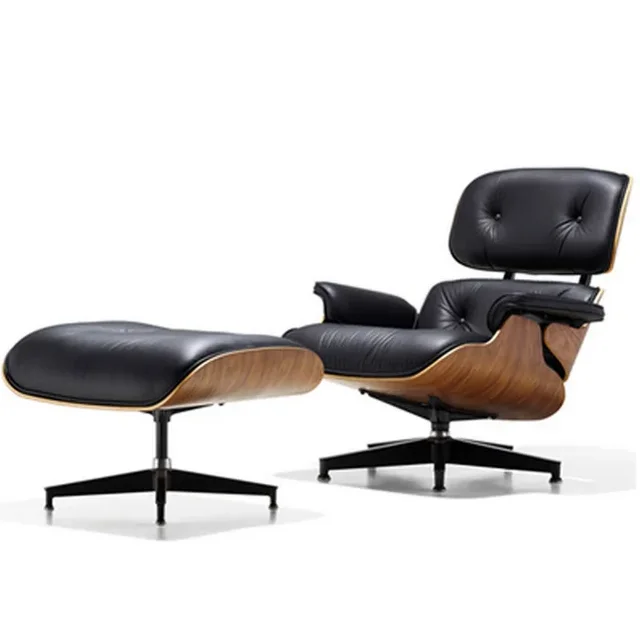
23. Eames Lounge Chair

Some chairs define an era so completely that they outgrow it. The Eames Lounge Chair, designed by Charles and Ray Eames in the 1950s, is in MoMA’s permanent collection, is still in active production, and is that chair.

Our Eames Lounge Chair delivers the signature molded wood veneer shell, premium leather cushioning, and that unmistakable 15-degree recline that makes every other lounge chair feel like a rough draft. In a living room, it doesn’t need a supporting context to make an impact. Placed well, it simply makes the room.

Eames Lounge Chair with black leather cushions and molded wood shell, paired with matching ottoman on a swivel base
The Spanish Lounge Chair featuring a solid oak frame, wide armrests, and cognac saddle leather with buckle details.

24. The Spanish Lounge Chair

The Spanish Lounge Chair carries the precise, structured elegance of mid-century design without the stiffness that sometimes accompanies it. The Spanish Lounge Chair balances its considered proportions with premium leather upholstery and a construction that signals quality from across the room.

Interior designers use it to establish a specific tone in residential living rooms and private club environments alike.

25. Wegner Ox Chair Easy Armchair

Hans Wegner’s 1960 Ox Chair is one of the most unapologetically bold silhouettes in the history of furniture design. The characteristic ox-horn headrest provides both visual drama and genuine head and neck support; the generous padded seat delivers the kind of enveloping comfort that makes hours in a chair feel like minutes.

Our Wegner Ox Chair is the chair that design-literate clients ask for by name and the one that, once placed in a living room, becomes the piece around which everything else is quietly reorganized.

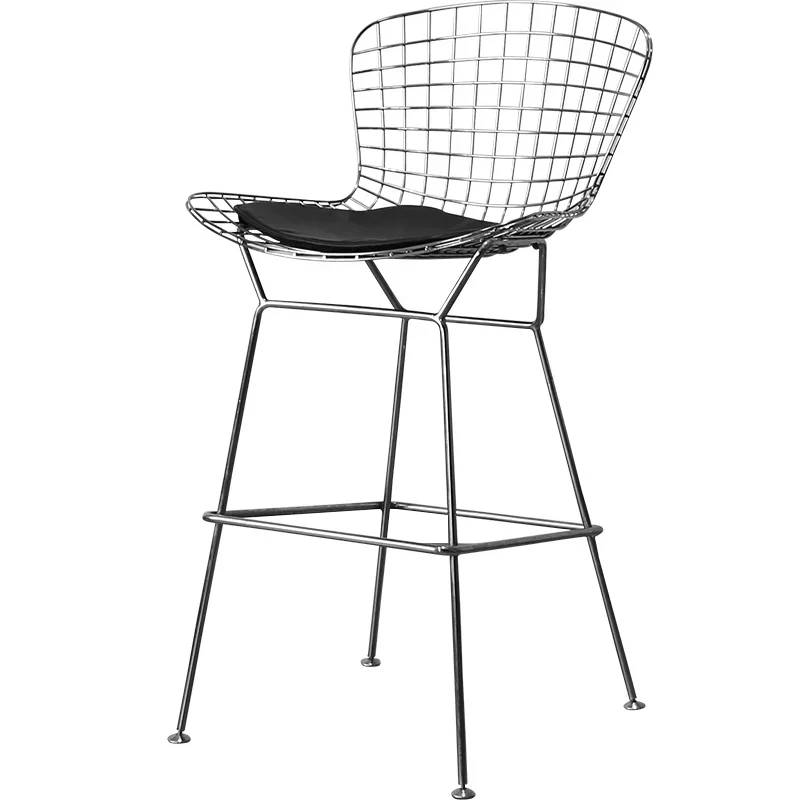
Bertoia Stool with iconic wire metal frame, sculptural mid-century modern design, and sleek seat ideal for stylish pubs and bars

Elevate Your Living Room with Tailored Modern Seating by Mi Silla

A well-designed, comfortable living room is never accidental. It reflects clarity, proportion, and thoughtful selection at every level. Seating, in particular, plays a defining role in shaping how the space is experienced daily.

The right modern living room chair does more than offer a place to sit. It introduces structure, balances the layout, and reinforces the overall design language. When chosen carefully, it becomes a quiet focal point that supports both comfort and visual harmony.

For homeowners, this means creating a space that feels intentional and lived-in. For designers and project teams, it ensures consistency across materials, scale, and performance. Every decision should support how the room looks, feels, and functions over time.

At Mi-Silla, seating is approached as part of a larger architectural vision. Each piece is crafted with attention to proportion, material integrity, and long-term usability. Customization options allow our living room chairs to align seamlessly with the surrounding interior.

If you are planning your next space, start with pieces that define it. Explore designs that bring clarity, comfort, and lasting value.

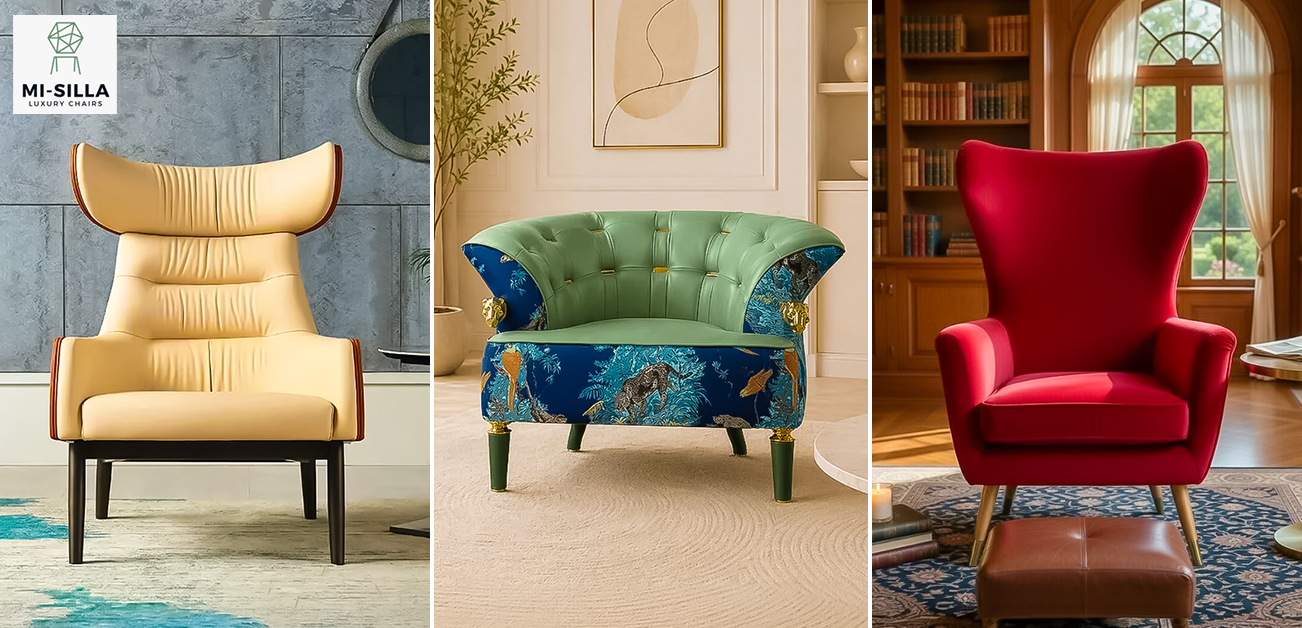
Cream leather lounge chair with a tall winged headrest and dark wooden legs, in a modern room with the Mi-Silla logo in the corner; neutral palette and clean lines.

How to Choose a Modern Wingback Chair for Your Living Room in 2026?

Cream leather lounge chair with a tall winged headrest and dark wooden legs, in a modern room with the Mi-Silla logo in the corner; neutral palette and clean lines.

How to Choose a Modern Wingback Chair for Your Living Room in 2026?

Some chairs fill a room, and some chairs define it. A modern wingback chair belongs firmly in the second category. With its high, structured back and side wings that curve forward to frame the sitter, it brings a quality to a living room that sofas and accent pieces rarely manage on their own: a sense of deliberate, considered presence.

The wingback has been in continuous use for centuries. It has survived every design era and gracefully adapted to every aesthetic shift. Needless to say, it earned a permanent place in residential and hospitality interiors alike.

In 2026, it is as relevant as ever. It appears in everything from minimalist apartments to boutique hotel lobbies across the country.

This blog walks you through everything you need to know about wingback chairs. Learn what makes a wingback chair work as a key element in a living room, how to choose the right one for your space and project, and which Mi-Silla chair models are worth knowing about. Whether you are furnishing your own home or specifying seating for a client’s living room, this blog will guide you.

Why a Modern Wingback Chair Still Works in Today’s Living Room?

The wingback chair was originally created to shield the sitter from cold drafts. Those tall flanking sides, the wings, create a cocoon-like enclosure that was both useful and visually striking.

However, the function has changed considerably today, while the form still earns its place. In an open-plan living room, a wingback chair gives depth and visual structure. It creates a distinct seating place in the room without requiring a full sectional or additional sofa.

The silhouette of wingback chairs also adapts remarkably well to fabric. While a wingback feels moody and editorial in deep charcoal velvet, it becomes relaxed and organic in a soft linen or oatmeal boucle. So, the identical structure reads entirely differently depending on the material.

Interior designers frequently spec a modern wingback chair as the focal point of a seating grouping. It draws the eye, holds its own next to a fireplace or a large window, and works across a wide range of aesthetics, from transitional to mid-century to contemporary Scandinavian.

For homeowners, a well-chosen wingback chair can create a dedicated reading spot, a quieter seat away from the main sofa, or a statement piece that makes the living room feel more intentional and complete.

What is the Difference between an Armchair and a Wingback Chair?

An armchair is typically crafted for flexibility. An armchair is typically crafted for flexibility. It blends easily into a variety of layouts and does not demand any visual attention. However, a wingback chair has a more defined appeal and personality. Its tall back and signature side wings create a structure that makes it a focal point rather than a background piece.

These two chair styles are often grouped, but they serve very different roles in a space. Understanding how they differ helps you make more intentional design decisions, especially when selecting a statement piece like a modern wingback chair.

  • Back Height and Structure
    Armchairs typically have a lower back, which makes them ideal for casual seating. Wingback chairs, on the other hand, have a tall backrest that supports the head and shoulders. It hence creates a more enclosed and supportive feel.
  • Side Design
    Armchairs have open sides, which makes them feel lighter and more adaptable. Wingback chairs feature extended side panels, or “wings,” that frame the sitter and add a sense of privacy.
  • Visual Presence
    An armchair is more likely to blend into the room’s overall layout. A wingback chair stands out by adding height, structure, and architectural interest to the space.
  • Best Use in a Room
    Armchairs work well as flexible seating that can be moved or layered into different layouts. A wingback accent chair is more intentional, often placed to anchor a seating arrangement or highlight a specific area.
  • Application in Dining Spaces
    A wingback dining chair brings the same high back structure into the dining room. It offers greater comfort and a refined, upholstered look compared to standard dining chairs.
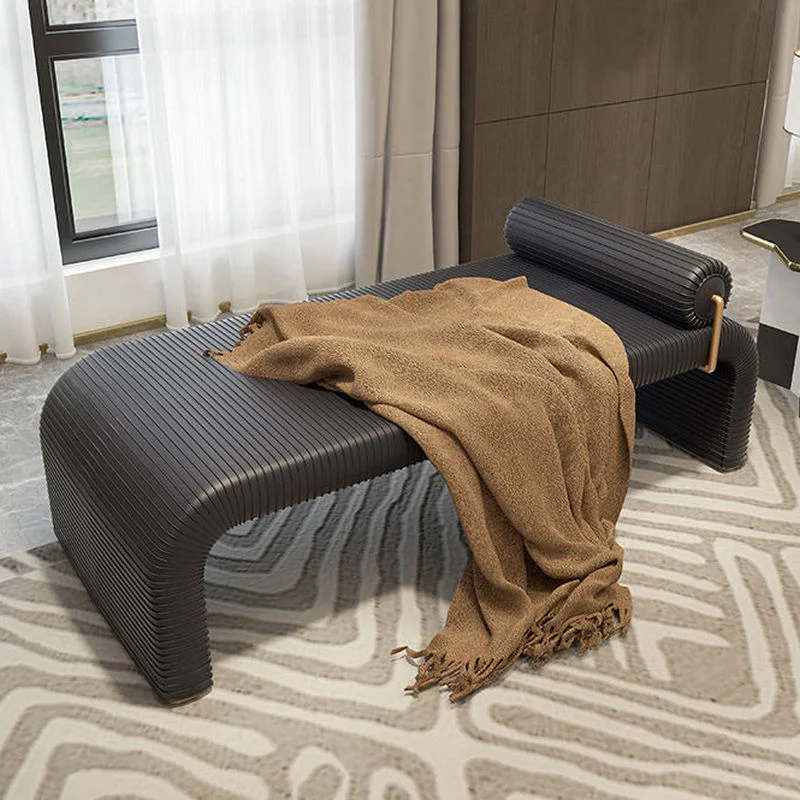
    In simple terms, armchairs quietly support the overall layout, while wingback chairs add definition and presence.

How to Choose the Right Modern Wingback Chair in 2026?

Choosing well starts with being honest about the space and the priorities. These are the factors that matter most.

  • Scale and Proportion
    The wingback chair must be proportionate to the rest of the furniture. For a large living room with a substantial sofa, a full-scale wingback is the correct addition. But, for a smaller space, a slimmer, lower-winged version is a more suitable addition.
    Measure the footprint before buying. Account for legroom around the chair, especially if you plan to pair it with an ottoman or a side table.
  • Style Alignment
    Pay attention to the leg profile while choosing. While tapered wooden legs in walnut or beech read as mid-century or transitional style, turned legs add a traditional touch. Square legs with a minimal finish push the chair toward a contemporary aesthetic.
    The wing shape also carries meaning. Curved, scrolled wings recall a vintage wingback chair aesthetic. Sharper, more angular wings feel current and clean.
  • Upholstery and Texture
    Fabric is one of the most impactful choices when selecting a wingback chair. A contemporary wingback chair in textured linen or a wool-blend feels relaxed and residential. The same frame in a performance leather or boucle reads more premium.
    If the chair is for daily use, durability matters just as much as appearance. Performance fabrics, durable leathers, and well-finished wood details tend to offer the best balance of comfort, longevity, and visual refinement. If the chair is primarily a statement piece in a lower-traffic room, you have more freedom to prioritize texture and character.
  • Function
    A wingback recliner chair has a much different function in a room than a stationary accent piece. If comfortable seating over long periods is your priority, make sure the design offers adequate lumbar support and seat depth for extended sitting.
    If the chair you’re buying is primarily to add visual effect with occasional use, the silhouette can carry more weight than the ergonomics.

Choosing Upholstery, Wood Finish, and Proportion for Your Space

How to decide the upholstery, wood finish, and proportion of a wingback chair?

These three variables determine whether a modern wingback chair feels intentional or accidental in a room. So, you must be deliberate while choosing these.

  • Upholstery
    Neutral tones give the longest design life. Warm whites, soft grays, earthy taupes, and camel all work across multiple palettes and multiple years. Bolder choices like deep navy, forest green, or rust can anchor a seasonal or client-specific scheme without feeling forced.
    For a formal residential setting, a leather wingback chair introduces strength and a sense of permanence. It is also easier to maintain in commercial settings.
  • Wood Finish
    The leg finish should connect to at least one other element in the room, such as the coffee table, a media console, or a lamp base. This creates cohesion without making everything match. Walnut finish is a consistently strong choice as it is warm, contemporary, and compatible with both light and dark upholstery.
  • Proportion
    Seat height is often overlooked while picking a wingback chair. Some pieces sit too low, creating a sinking feeling, which makes it harder to stand up, particularly for elderly individuals. Therefore, choose a seat height between 17 and 19 inches that works well for most adults.
    The wing width also affects the feel of the chair. Wider wings create a more enclosed, intimate experience, while narrower wings feel more open and less formal.

Wingback Chair Guidance for Homeowners, Designers, Specifiers, and Hospitality Projects

Wingback chairs are more than decorative pieces. They shape how a space functions, how people experience it, and how the overall design is perceived. A thoughtfully selected modern wingback chair can define seating zones, add privacy in open layouts, and introduce a sense of structure that feels intentional.

For homeowners, this means creating a living room, reading corner, or lounge area that feels more refined, comfortable, and visually complete. For designers, specifiers, and hospitality teams, the decision goes beyond style. It also involves durability, consistency, and how well the chair performs over time in real-world conditions.

Use Case 1: Boutique Hotel Lounge

In a boutique hotel lounge, seating needs to feel inviting while still maintaining a clear design identity. Wingback chairs are often used to create smaller, more intimate seating areas within a larger open space.

A designer might place pairs of chairs near a fireplace or cluster them around low tables to encourage conversation. The high back and wings naturally create a sense of enclosure, which guests tend to gravitate toward.

Key considerations in this type of project include:

  • Performance fabrics that can handle frequent use without losing their look
  • Fire-rated materials to meet hospitality safety requirements
  • Consistent sizing and detailing across all units for a cohesive layout
  • Production timelines that align with opening schedules and installation phases

Use Case 2: Residential Living Rooms and Multi-Unit Projects

In residential spaces, a modern wingback chair can anchor a seating area, create a quiet reading corner, or add height and character to a room that needs a stronger focal point. Homeowners are often looking for a piece that feels comfortable for daily use while still elevating the overall look of the space.

In multi-unit residential projects, furniture selection often needs to balance visual appeal with practicality. Developers are looking for pieces that elevate the space aesthetically while staying within budget and holding up over time.

A modern wingback chair works well in private living rooms, model units, lobbies, and shared amenity spaces because it adds character without overwhelming the design.

Mi-Silla supports these types of projects by offering:

  • Custom finishes that align with the overall interior palette
  • Scalable production for larger quantities without compromising quality
  • Ongoing collaboration with design teams to meet specific project requirements

For homeowners, this same flexibility makes it easier to choose a chair that feels tailored to the room’s proportions, materials, and personal style. For professionals, it helps maintain design intent while meeting the realities of construction timelines and procurement.

Technical Considerations

Beyond aesthetics, several technical factors influence how a chair performs over time, whether in a home or a commercial setting.

  • Frame construction: A strong internal frame is essential for long-term durability, especially in high-traffic areas or frequently used family spaces
  • Foam density and comfort: The right cushioning helps the chair maintain its shape while still providing comfort for daily use
  • Fabric performance: Abrasion resistance, stain protection, and cleanability all play a role in material selection
  • Logistics and delivery: Packaging, shipping methods, and installation coordination can impact project timelines and overall efficiency

When these details are addressed early in the process, the result is a seating solution that looks good on day one and continues to perform well long after installation.

Customization Options for a Bespoke Wingback Chair

No doubt, off-the-shelf options are useful. But custom options are transformative.

Mi-Silla offers a range of customization options that allow a wingback chair to be matched to a specific interior concept rather than worked around as a standard product.

Available customizations include:

  • Upholstery fabric (choose from available options in a wide range of soothing shades)
  • Leg finish (walnut, beech, black, natural, and custom stain options)
  • Seat cushion firmness for functional adjustments
  • Arm height and width in select models
  • Size adjustments on request for hospitality or large-scale orders

Customization enables designers to get chairs that fit into their cohesive design system. The silhouette stays consistent, and the material reflects the client’s unique story.

Modern Wingback Chairs That Add Comfort, Character, and Presence

The following wingback chairs from Mi-Silla’s current collection represent different points on the spectrum, from classically influenced pieces to fully contemporary ones. Each is unique in its own way and plays out brilliantly in a modern living room.
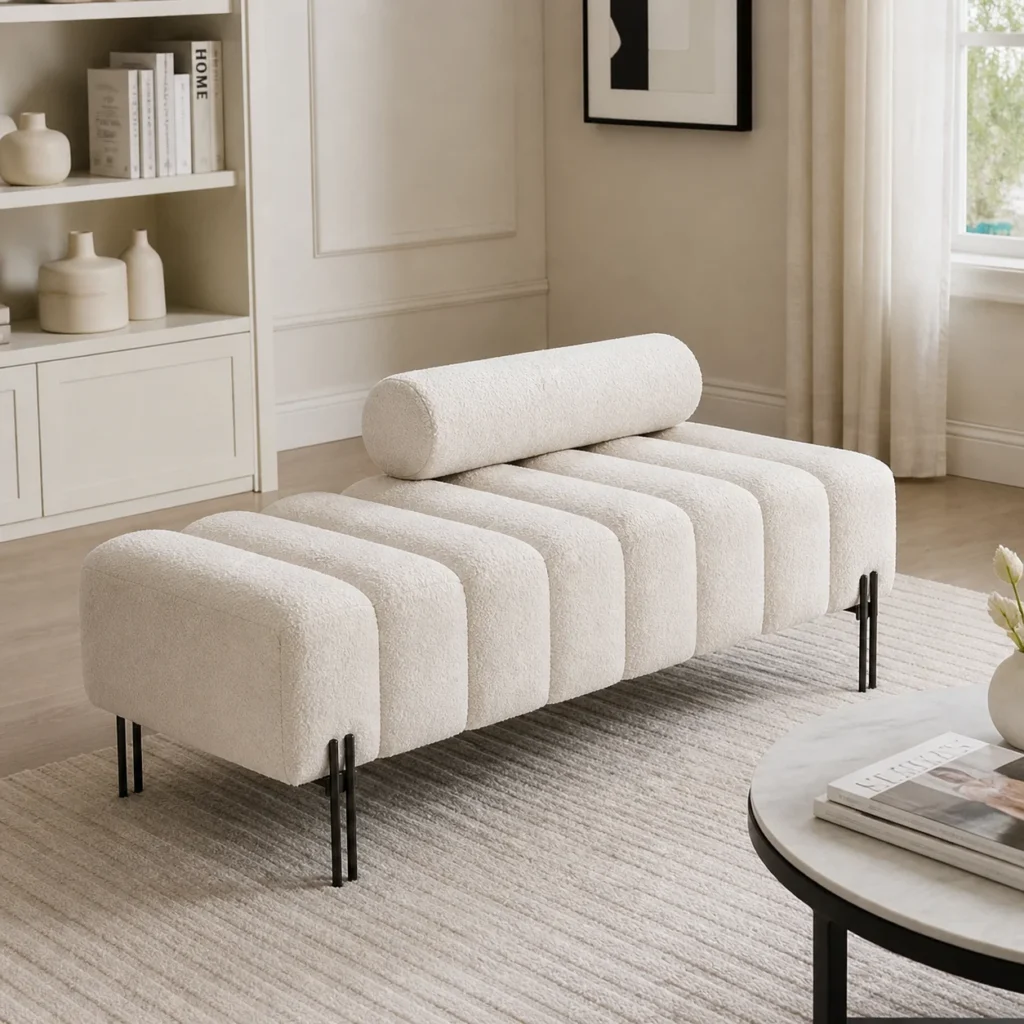
Check them out to find a wingback chair worth considering for your living room or next project.

1. French Wingback

The French Wingback Chair brings a European sensibility to a modern living room. The high back and gently curved wings reference classical French furniture proportions, but clean lines and contemporary upholstery options keep it feeling current.
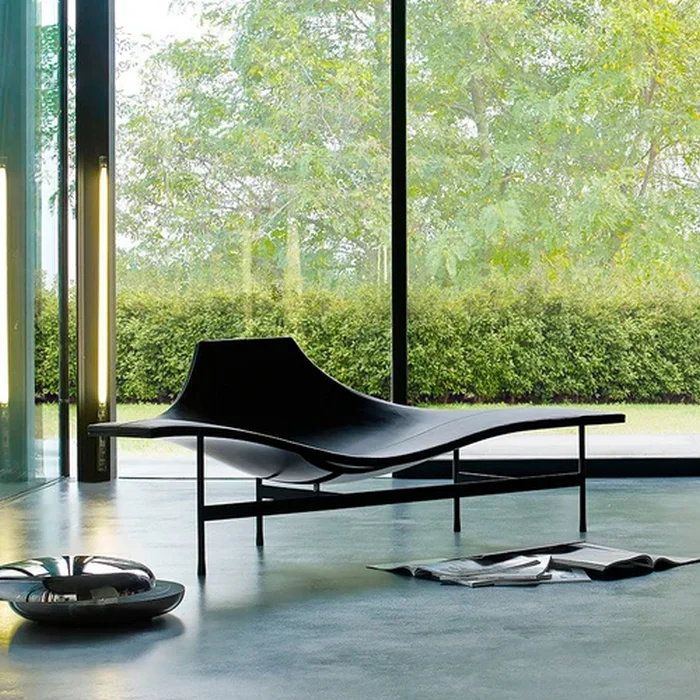
It works particularly well in transitional interiors where the goal is to introduce historical reference within a living space without going fully traditional. Pair the chair with a low-profile sofa and a sculptural side table to let the silhouette define the room.

For project specifiers, this chair reads with authority in hotel lobbies, private members’ clubs, and formal residential seating areas. The commanding back profile makes it a reliable focal point.

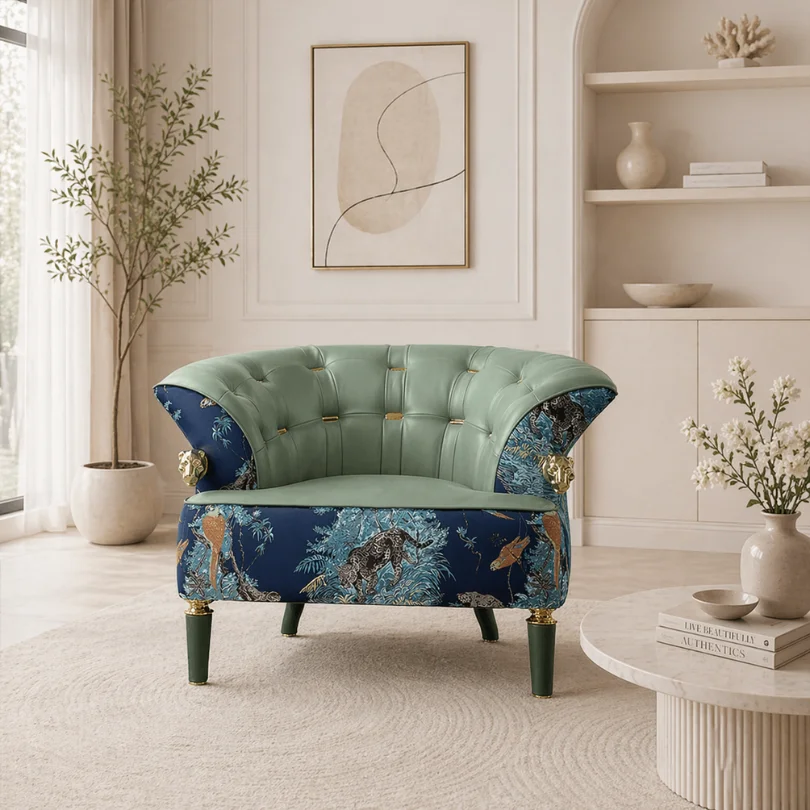
Tufted emerald green velvet chair with a blue botanical-printed base, gold accents, and dark green legs in a bright beige living room with plants and abstract art above.
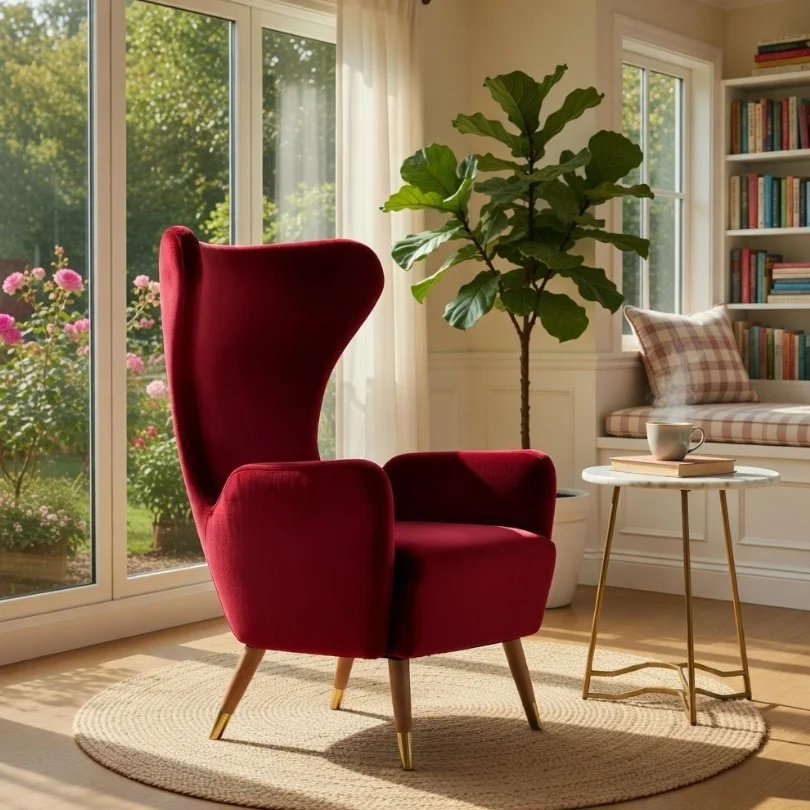
Wingback Wing Fabric Armchair in bold red upholstery with high back and wooden legs, placed in a bright living room setting with natural light

2. Wingback Wing Fabric Armchair

A more streamlined take on the wingback form, this Wingback Wing Fabric Armchair prioritizes clean geometry. The wings are shorter, the arms are low, and the overall silhouette reflects contemporary elegance without sacrificing the structural personality. It well defines the category.

It is a strong choice for modern living rooms already layered with pattern or furniture. Where other wingbacks might compete, this one integrates. In a textured neutral fabric, it becomes a quiet anchor. In statement upholstery, it holds the room.

It is also a practical option for slightly smaller living rooms where a full-scale wingback might overwhelm the layout.

3. Beatrix Wing Fabric Armchair with Armrests

Mi-Silla brings this graceful piece in a diverse color palette, crafted for every type of interior. The Beatrix Wing Fabric Armchair with Armrests has a softer, more rounded wing profile that suits rooms where warmth and comfort are the primary goals. The armrests are well-proportioned and offer genuine support for extended sitting.

As an upholstered wingback chair, it works beautifully in a reading corner or beside a floor lamp with a small table. The curve of the back wraps slightly around the sitter. It creates the enclosed quality that is one of the wingback’s most distinctive attributes.

In a residential project for a family home, this chair earns its place as both a design statement and a genuinely comfortable daily seat.

Beatrix Wing Fabric Armchair with Armrests in tan fabric, featuring a high winged back, dark wood legs, and a patterned pillow.
Tori Armchair Wingback Chair in brown velvet with a curved high-back frame, plush circular seat, and slim metal legs.

4. Tori Armchair Wingback

It’s a chair that defines contemporary elegance. The Tori Armchair Wingback has a distinctly contemporary wingback chair character. The structure is architectural: precise proportions, a firm back panel, and legs with a refined, minimal finish. It suits well-designed, sleek interiors with a disciplined, intentional design language.

This is a chair for spaces where visual impact matters without ornamentation. The form does all the magic. It sits well in both residential and hospitality environments, particularly where the aesthetic runs toward Scandinavian or mid-century modern.

You can customize it in a dark fabric for strong visual contrast or in a warm neutral to let it integrate into a broader upholstery palette.

5. Papa Bear Lounge Wingback Chair

We have this timeless classic, Papa Bear Lounge Wingback Chair! It is the most generous chair in the collection with a signature design and extra comfort. Inspired by Hans Wegner’s iconic lounge chair, it takes the wingback form and reinterprets it through a mid-century lens. The wings are broad and enveloping, the seat is deep, and the whole chair invites extended time.

This is the chair you can always come back to. It holds you well, looks exceptional from every angle, and anchors a living room in the way that only a considered lounge chair can.

It is a strong spec choice for executive lounges, high-end residential spaces, and hospitality settings where substance and quality need to be communicated immediately. It pairs naturally with solid wood furniture and natural textiles, which makes it a popular designer’s choice.

Papa Bear Lounge Wingback Chair with brown modern finish for your interior

Discover Bespoke Wingback Chairs from Mi-Silla for Refined Interiors!

The modern wingback chair continues to evolve while maintaining its core appeal. It offers comfort, structure, and a strong visual identity that enhances both residential and hospitality interiors.

Choosing the right piece involves careful consideration of scale, materials, function, and overall design intent. With the added advantage of customization, a wingback chair can become a defining element in any living room.

At Mi-Silla, we work with homeowners, interior designers, architects, and hospitality specifiers across the US! Our wingback chairs are made-to-order, available in a range of upholstery and wood finish options, and suited for both residential and commercial environments.

Furnishing a single room or sourcing for a multi-unit residential project, we are here to support the process from initial selection through to final specification.

Browse the full collection of wingback chairs or contact us directly to discuss custom options, requests, lead times, and project pricing.

FAQs

Where should a wingback chair be placed?

Wingback chairs work best as a focal point in the room, near a fireplace, beside a large window, or positioned at a 45-degree angle to a sofa. Avoid pushing the chair flat against a wall. The back profile is part of what makes it visually interesting, and it deserves space to be seen from multiple angles.

How many types of wing chairs are there?

The main variants include the traditional high-back wingback, the contemporary wingback chair with a cleaner silhouette, the wingback recliner chair, the wingback dining chair for table-height use, and the lounge wingback with deeper proportions. Each serves a different purpose and suits a different room context.

Why were wingback chairs popular?

Wingback chairs became popular in 17th-century England and France as a response to the cold, drafty interiors of the time. The high sides shielded the sitter’s head from heat loss near an open fire.

Over time, the form became associated with comfort, status, and considered furnishing, an association the silhouette has maintained for centuries.

What colors are trending for wingback chairs in 2026?

Warm neutrals continue to dominate, such as camel, warm white, oatmeal, and dusty rose, which are all seeing strong interest this year.

On the bolder end, deep olive, terracotta, and cognac are appearing frequently in both residential and hospitality projects. Vintage wingback chair reproductions in worn leather and jewel-toned velvets are also popular for eclectic and maximalist interiors.

Are wingback chairs comfortable for everyday use?

Yes, provided the seat depth and cushion firmness are appropriate for the user. The back of a wingback chair naturally supports the shoulders and neck, which many sitters find more comfortable than the open back of an armchair over extended periods. The Beatrix and Papa Bear models from Mi-Silla are specifically designed for sustained comfort in residential settings.

Are customizable wingback chairs worth specifying?

For professional projects, customization is often the difference between a chair that fits a scheme and one that merely works in it. When fabric, leg finish, and proportion can all be adjusted, the chair becomes part of a cohesive design story. Mi-Silla’s customization options make this accessible across most project scales.

What common mistakes should professionals avoid?

The most common mistake is misjudging scale, such as specifying a full-height wingback in a low-ceilinged room. One may also ignore leg finish cohesion across the furniture plan and select upholstery without considering maintenance requirements in commercial settings.
It is also worth checking seat height against other seating in the room; mismatched heights create visual tension that undermines an otherwise considered layout.

How do wingback chairs fit into modern vs. transitional interiors?

In a modern interior, choose a wingback with clean lines, restrained wings, and a low-contrast material palette. Metal or square-profile legs in black or brushed brass work well.

In a transitional interior, the traditional wingback silhouette reads beautifully when upholstered in a contemporary fabric and paired with current accessories. The silhouette bridges the gap between the two.

Stylish Luxury Outdoor Furniture Ideas for a Stylish Backyard in 2026

10 Luxury Outdoor Furniture Ideas for a Stylish Backyard in 2026

Stylish Luxury Outdoor Furniture Ideas for a Stylish Backyard in 2026

10 Luxury Outdoor Furniture Ideas for a Stylish Backyard in 2026

Creating a high-end retreat starts with treating the outdoors as a true extension of the home. In 2026, the focus is on a seamless transition between interior comfort and exterior living.

Designers are focusing on outdoor furniture that prioritizes architectural integrity and long-term durability. For professionals, this means selecting materials such as Grade-A teak and powder-coated aluminum that withstand the elements.

At Mi-Silla, we believe your exterior deserves the same level of craftsmanship as your living room. We work closely with architects and contractors to provide bespoke solutions for luxury projects. Our goal is to help you realize a vision that feels intentional and sophisticated. Whether you are a homeowner or a designer, these ten concepts will help you build a space that truly inspires.
What to Consider When Buying Outdoor Furniture?

Selecting the right pieces for your patio requires more than just picking a style you like. You must consider how different outdoor furniture types will handle your specific climate and daily lifestyle. A thoughtful approach ensures your investment stays beautiful and functional for many seasons to come.

Here is what you should keep in mind before finalizing your layout:

  • Evaluate Material Durability
    Select outdoor pieces made from high-quality materials, such as Grade-A teak or powder-coated aluminum, because they resist rust and decay. These durable options help keep your backyard elegant and low-maintenance, even in demanding climates.
  • Assess Your Available Space
    Measure your deck or patio to maintain a comfortable flow for walking and entertaining. Proper scaling is one of the best ideas for outdoor furniture because it prevents the area from feeling cramped.
  • Prioritize Weather-Resistant Textiles
    Look for solution-dyed acrylic fabrics that won’t fade under the intense summer sun. These performance materials provide a soft, indoor feel while standing up to rain, mold, and heavy use.
  • Consider Storage and Maintenance
    Think about where you will store cushions or lightweight frames during the winter months. Opting for stackable designs or including custom-fit covers will significantly extend the lifespan of your luxury pieces.
  • Refine Your Design Vision
    Ensure the furniture style complements the architectural lines of your main home for a cohesive look. This transition makes your outdoor area feel like a natural extension of your interior living space.

Benefits of High-Quality Outdoor Furniture

Investing in modern luxury outdoor furniture is a decision that transforms your backyard into a year-round destination. While standard sets may last only a few seasons, high-end pieces are engineered to withstand the elements without sacrificing style. This approach ensures your exterior space reflects the same sophistication as your home’s interior.

Here is why quality matters when exploring new outdoor furniture ideas:

  • Unmatched Material Longevity
    Premium materials like marine-grade stainless steel and Grade-A teak naturally resist corrosion and rot. These pieces maintain their structural integrity and finish even after years of exposure to the sun and rain.
  • Enhanced Ergonomic Comfort
    High-quality designs use multi-layer outdoor foam to provide the same support as indoor sofas. You can relax for hours without the cushions losing their shape or becoming uncomfortable.
  • Seamless Design Transitions
    Selecting modern outdoor furniture helps create a cohesive visual flow from your living room to the patio. This consistency makes your home feel larger and more intentional to guests and potential buyers.
  • Simplified Seasonal Maintenance
    Luxury furniture often features performance fabrics that are easy to clean with just mild soap. You spend less time scrubbing and more time enjoying your outdoor sanctuary with friends and family.
  • Increased Property Value
    A professionally furnished outdoor area acts as an additional living suite for your home. This functional square footage adds significant appeal and market value to any high-end residential property.

10 Luxury Outdoor Furniture Ideas to Elevate Your Outdoor Space in 2026

The 2026 outdoor season is defined by a shift toward exterior living suites that rival any interior for comfort and style. Professionals now look for pieces that offer architectural interest while withstanding the elements.

These 10 outdoor furniture design ideas feature high-end materials and iconic silhouettes to transform your backyard into a private resort.

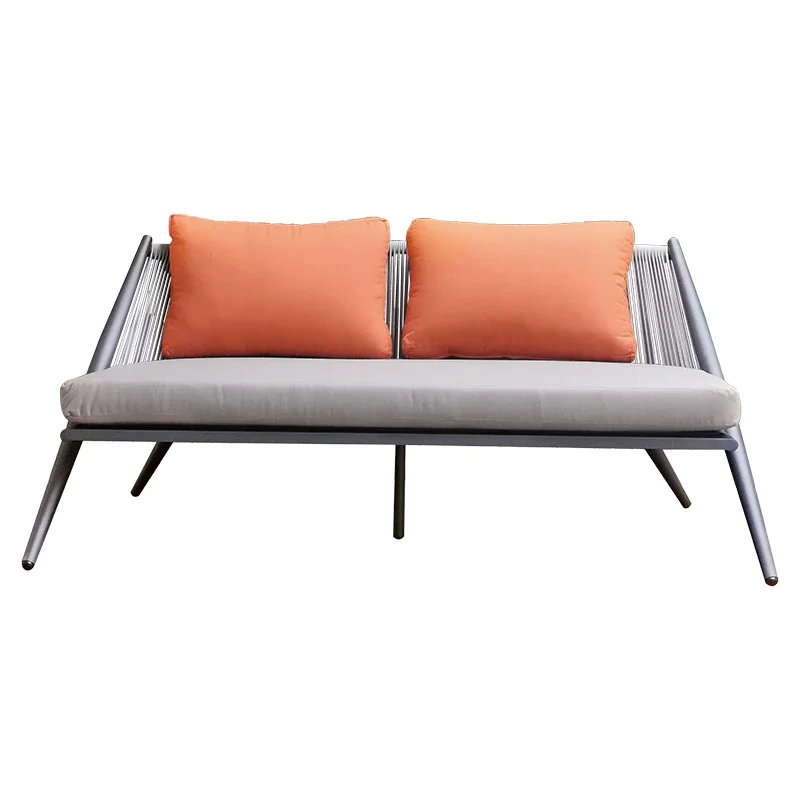
1. Embrace Vibrant Focal Points

Adding a splash of color can instantly transform a neutral patio into a high-energy entertainment zone. The Modern Outdoor Sofa with Coral Cushions serves as a stunning focal point for a gray stone terrace.

This piece uses high-density foam and weather-resistant fabric to ensure the bold hue remains crisp under the sun. Its performance fabric and structural stability make it suitable for high-exposure outdoor environments.

Modern Outdoor Sofa with coral cushions, grey seat base, and sleek metal frame with rope detailing on a clean white background
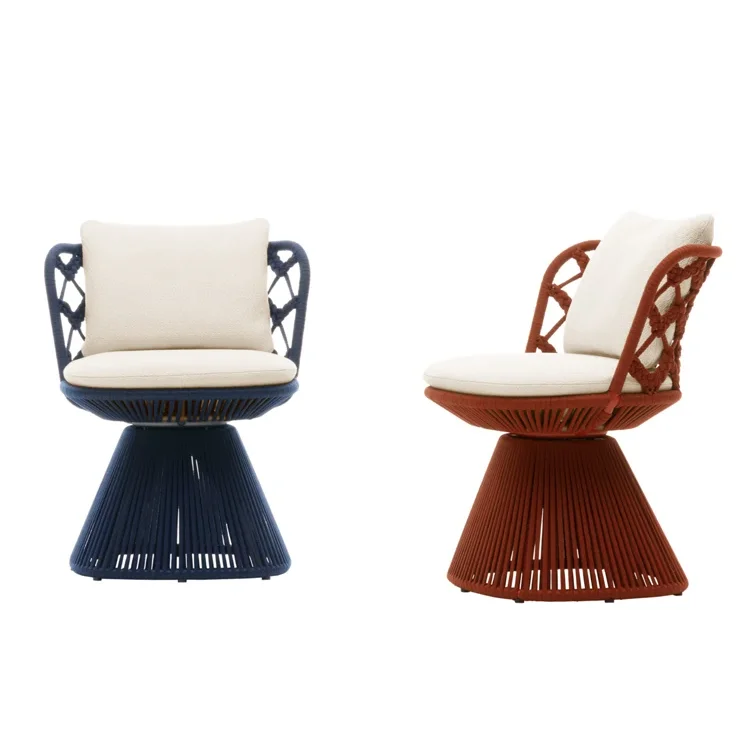
Flair O’ Couture Dining Chair with woven base, curved backrest, and cushioned seat in blue and rust finishes for modern dining spaces

2. Elevate Al Fresco Dining

High-fashion textures can make an outdoor dining area feel just as sophisticated as a formal indoor room. The Flair O’ Couture Dining Chair brings a sense of couture tailoring to your patio table, featuring its intricate circular weaving and flared base.
It provides a stable, architectural look that complements contemporary outdoor furniture layouts. Designers often specify this for upscale residential projects.

In executive cabins or leadership offices, this chair reinforces permanence and clarity. It works particularly well in spaces where wood paneling, stone surfaces, or architectural lighting define the environment.

3. Opt for Minimalist Organic Textures

Low-slung furniture creates a grounded, peaceful environment that encourages deep relaxation and reflection. The MR01 Initial Lounge Chair is a masterpiece in nautical-inspired simplicity, featuring a low-profile wood frame and custom rope seating.

The design allows for a natural, reclined posture that feels right on a poolside deck. It offers a breathable, organic texture that fits the Japandi aesthetic.

MR01 Initial Lounge Chair in natural wood with woven cord seat and back, minimalist low-profile design for modern indoor or outdoor lounging
Canasta Outdoor Circular Armchair with canopy, woven gray shell design, plush seat and multiple cushions for cozy outdoor lounging

4. Create a Secluded Garden Retreat

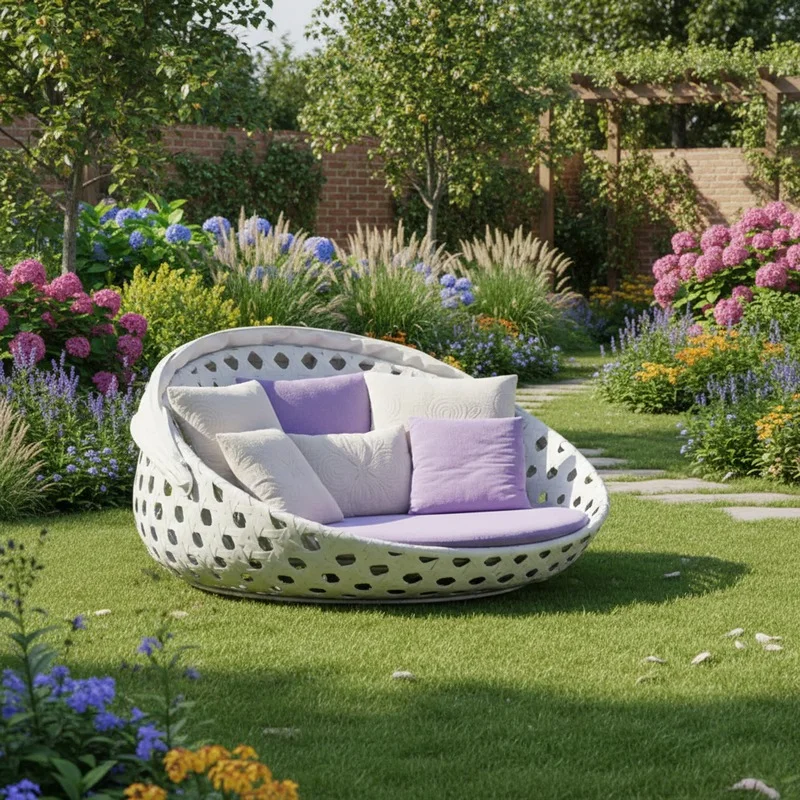
A shaded sanctuary provides a private escape from the sun and the bustle of a busy household. The Canasta Outdoor Circular Armchair with Canopy creates an intimate “room within a room” for your lawn.

Being an oversized piece, it offers a sense of seclusion and is among the most sought-after outdoor furniture ideas this year. It is an ideal spot for reading or afternoon naps.

5. Use Height for Architectural Privacy

Seating with high backs can serve as a functional screen to define different zones in an open backyard. The Mistral Outdoor High-Back Sofa uses vertical slats to create a visual barrier that provides both wind protection and privacy.

The structural approach helps organize a large patio without the need for permanent walls. It is a sophisticated solution for rooftop lounges.

Mistral Outdoor High Back Sofa with woven frame, tall backrest, gray cushions, and sleek metal legs for modern patio comfort
Dine Out Armchair featuring a light wood frame, a grey seat cushion, and a navy tropical-patterned backrest.

6. Focus on Artisanal Craftsmanship

Combining natural wood with modern cord work creates a look of timeless, “quiet luxury” for your home. The Dine Out Armchair combines a sturdy teak frame with a unique rope-woven back for a touch of coastal elegance.

The chair is designed to stay comfortable throughout long, multi-course dinners under the stars. It represents the pinnacle of modern luxury outdoor furniture.

7. Prioritize Versatile Proportions

Streamlined, stackable seating is essential for spaces that need to transition from family dinners to large social gatherings. The Dine Out Dining Chair offers a slim silhouette that pairs well with heavy stone tables.

Its minimalist frame is built for high-traffic use, making it a smart option for hospitality and multi-use residential projects. Homeowners also appreciate how this type of outdoor seating delivers a refined look while remaining practical for daily use.

Dine Out Dining Chair with a teak frame, grey rope woven backrest, and a blue geometric patterned seat cushion.
Ray Outdoor Armchair with woven rattan-style frame, plush green cushions, and sturdy black metal legs on a clean white background

8. Integrate Lightweight Urban Aesthetics

In smaller urban spaces, furniture should feel airy to avoid making the area feel cluttered or heavy. The Ray Outdoor Armchair features a distinctive ribbon-like weave that allows light and air to pass through effortlessly. This lightweight aesthetic makes it a great choice for smaller balconies or city decks. It provides a tactile, modern edge that updates any existing patio set.

9. Add a Sense of Playful Motion

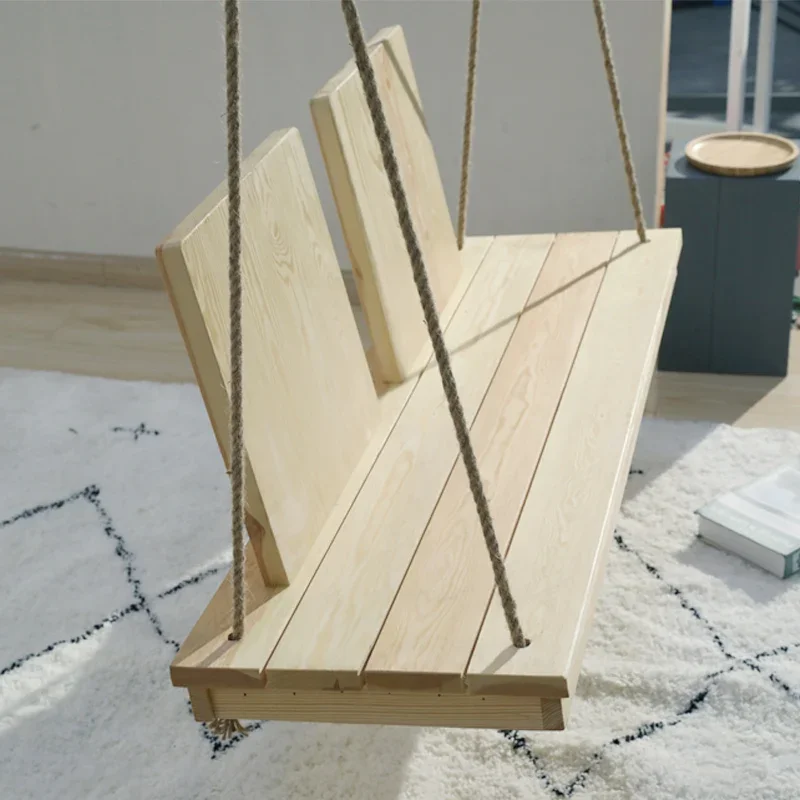
Introducing movement through swinging or rocking pieces creates a relaxed, whimsical atmosphere for all ages. An Outdoor Kids’ Swinging Chair adds a playful yet polished element to a family-oriented backyard.

Built with the same rigorous standards as adult luxury outdoor furniture, this piece ensures safety and durability. It creates a dedicated space for younger guests to enjoy the outdoors in style.

Outdoor Kids Swinging Chair with natural wood seat, dual backrests, and sturdy rope suspension on a clean white background
Anholt Lounge Exterior Chair with light grey cushions, sleek black metal frame, and modern minimalist design on a white background

10. Curate a Serene Nordic Sanctuary

Scandinavian design principles emphasize clean lines and plush comfort to create a calming, clutter-free exterior. The Anholt Lounge Exterior Chair utilizes a clean aluminum frame and thick cushions to achieve a classic Nordic look.

This modern outdoor furniture staple is engineered for longevity with materials that resist salt air. Its deep seat and wide armrests make it an essential piece for a high-end relaxation zone.

Turn Your Outdoor Space into a Warm, Tailored Retreat with Mi-Silla

A backyard is more than just an open space. It is a canvas for your personal lifestyle or professional design vision. Choosing the right pieces transforms a simple patio into a high-end sanctuary. In 2026, the best homes prioritize seamless transitions between the indoors and the garden. This approach creates a cohesive environment for relaxation and connection.

At Mi-Silla, we believe in the power of intentional design. Our collection of outdoor chairs blends architectural integrity with the soft comfort your family deserves. We provide the technical specs and custom finishes that interior designers and architects require. Our team works closely with contractors to ensure every installation is precise. Homeowners enjoy a bespoke look that feels built specifically for their daily use.

Finding the right balance of style, durability, and customization is easier with professional guidance. These outdoor furniture ideas are only the starting point for what can be tailored to your layout, finish palette, comfort preferences, and project requirements. We approach every outdoor setting as a distinct design project so the final result feels considered, cohesive, and lasting.

Are you ready to redefine your exterior living space? Explore our latest collection to understand how materials, proportions, and craftsmanship come together in outdoor environments.

Luxurious Café Chair Ideas To Create A High-end Café Ambience

Top 15 Luxurious Café Chair Ideas To Create A High-end Café Ambience

Luxurious Café Chair Ideas To Create A High-end Café Ambience

Top 15 Luxurious Café Chair Ideas To Create A High-end Café Ambience

Today’s café interiors are shaped by ambiance, memories, and precise design rather than just coffee. In 2026, customized hospitality experiences are significantly shaped by contemporary café furnishings. More than just a brief visit, guests seek out areas that feel purposeful, cozy, and aesthetically pleasing thanks to well-chosen café chair designs. At Mi Silla, café seating is treated as a design specification-not a commodity. We create pieces with proportion, material integrity, and long-term performance in mind, so seating supports the concept and the guest experience-not just the floor plan.

Café chairs influence how long guests stay, how conversations unfold, and how the brand is perceived. Whether selecting coffee shop chairs for a boutique espresso bar or specifying chairs for cafes in hospitality-driven spaces, the right coffee shop chair can elevate a modest layout into a refined destination.

Whether you’re designing a boutique espresso bar, a luxury patisserie, or a hospitality-forward café lounge, choosing the right seating is a strategic decision.

In this comprehensive read, let’s explore how luxurious café chairs can transform everyday dining into an elevated, high-end experience-where comfort, craftsmanship, and style align seamlessly.

Why Café Chairs Define the Atmosphere More Than Any Other Element?

In a café environment, chairs are not secondary details; they are the most repeated design element in the space. Guests may notice lighting or wall finishes once, but they physically experience the chair throughout their visit. Because of this, café seating plays a defining role in shaping ambience, comfort, and brand perception.

  • They Shape First Impressions

When guests walk into a café, the arrangement, silhouette, and material of the chairs immediately communicate the level of refinement. Sculptural forms suggest design intention, while poorly selected seating can diminish even the most beautiful interior.

  • They Influence Dwell Time

Comfort has a direct impact on how long visitors remain. In upscale café settings, comfortable backs, well-proportioned seats, and considered seat heights promote leisurely chatter and prolonged stays.

  • They Reinforce Brand Identity

Café chairs serve as a visual anchor for any aesthetic, whether it is modern European, minimalist, or boutique-luxury. Cohesion is produced by tasteful silhouettes and consistent material selections.

  • They Control Spatial Rhythm

Chairs create visual rhythm and proportion when they are used repeatedly throughout the floor layout. Their size has an impact on the café’s openness, circulation, and sense of intimacy or space.

In well-designed cafés, seating is never incidental-it is foundational.

Key Factors to Consider Before Selecting Café Chairs

It takes more than picking a visually appealing silhouette when choosing café chairs.

Quick planning rule: Start with the layout, not the chair. Confirm circulation paths, table spacing, and service routes first-then select silhouettes and materials that support the intended dwell time (quick turnover vs. lounge-style lingering).

Designers must take into account how each chair contributes to long-term durability and comfortable seating when assessing various chair kinds for cafe layouts.

It is the chair-table relationship that determines comfort. For comfortable posture and leisurely dining, each coffee seat should be at the ideal height.

Upholstered café chairs introduce warmth and comfort, particularly when specifying coffee shop armchairs for lounge-style seating areas.

Chairs must allow smooth movement between tables. In flexible layouts featuring coffee shop chairs and mixed seating arrangements, circulation becomes a defining design factor.

  • Durability for Commercial Use

Café chairs experience constant use. Reinforced frames, stable legs, and resilient finishes ensure longevity while maintaining visual quality over time. For high-traffic cafés, performance is as important as appearance. Prioritize finishes that handle frequent cleaning, frames that stay stable over time, and surfaces that resist scuffs. If parts can be serviced or replaced (glides, fasteners, upholstery panels), the seating stays “premium” long after opening day.

  • Brand Alignment & Aesthetic Consistency

The chair should complement the café’s design aesthetic, whether it is modern luxury, European-inspired, or minimalist. A unified and refined ambiance is produced by using consistent materials, colors, and silhouettes.

The 15 Luxurious Café Chair Ideas (Curated Categories)

The right cafe chair does more than complement a table; it reinforces the brand identity, supports comfort, and contributes to the architectural rhythm of the space. Modern cafe furniture selections must feel cohesive while elevating the guest experience.

Each seating direction is evaluated by comfort, durability, maintenance practicality, and how well it reinforces brand identity. For hospitality projects, we also consider consistency across multiple units and the ability to specify materials and finishes to match the design palette.

Here are 15 curated categories that explore distinct seating directions suited for refined coffee environments in 2026 –

1. Sculptural Statement Chairs for Signature Cafés

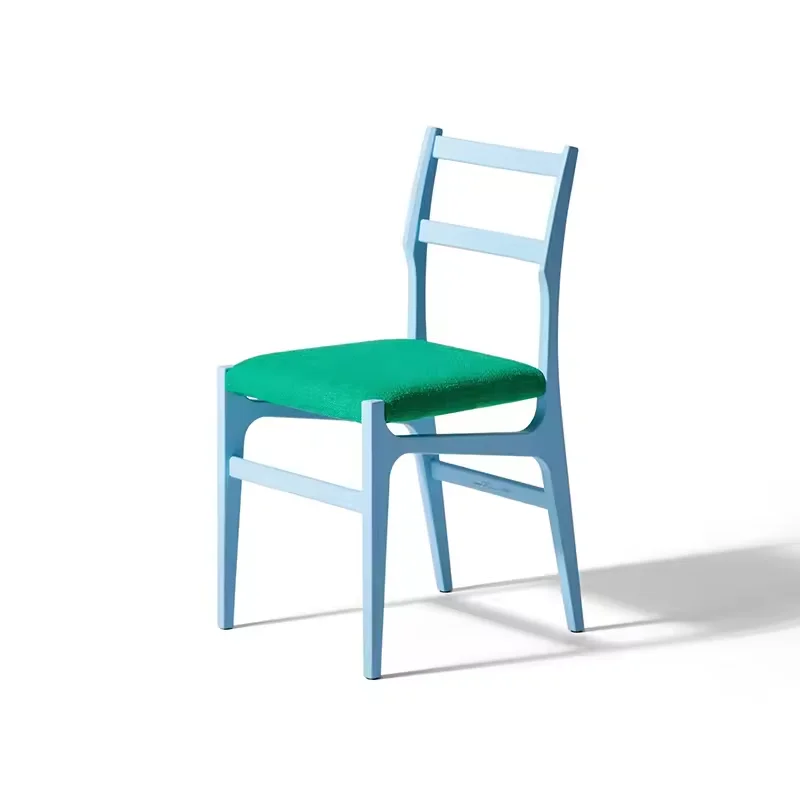
The Principi Chair Dining delivers immediate architectural presence, making it ideal for cafés that position design at the forefront of the guest experience. Its sculpted geometry and refined proportions create visual structure without heaviness.

This chair anchors tables and reinforces spatial rhythm, making it a defining design element in destination cafés or flagship coffee spaces. From every perspective, it feels intentional, providing comfort that encourages prolonged conversation without compromising visual discipline.

Principi Chair Dining with light blue wooden frame and green upholstered seat, modern minimalist dining chair on a clean neutral background.
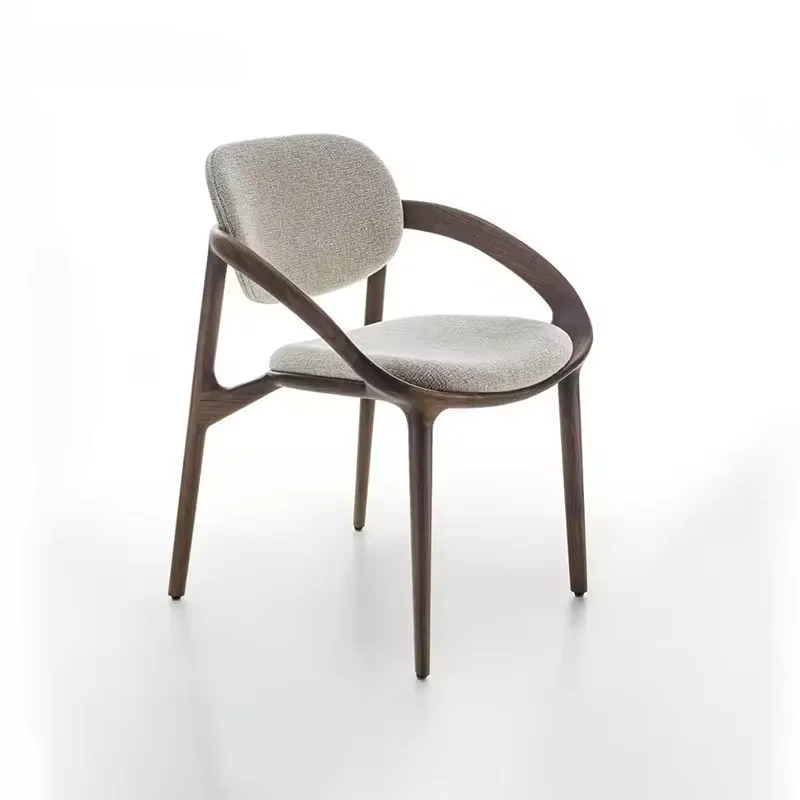
Molly Chair Armchair with elegant curved wooden frame, upholstered seat and backrest, offering a refined modern design for dining or living spaces

2. Upholstered Café Chairs for Elevated Comfort

The Molly Chair Armchair introduces a softer, more inviting tone to café interiors. With its upholstered seat and gently curved arms, it encourages guests to linger, ideal for boutique patisseries or hospitality-forward coffee lounges.

While the padding improves comfort, the piece’s fitted design keeps it from seeming heavy. It strikes a balance between warmth and structure in multi-layered interiors with wood, metals, or stone, enhancing the overall atmosphere.

3. Minimalist Wooden Chairs for Modern Espresso Bars

The Kylo Framed Chair embodies Scandinavian clarity, offering clean lines and natural wood tones that support modern espresso bar environments.

Its controlled form allows materiality-such as wood, coffee tones, and concrete-to visually lead. It maintains elegant simplicity while supporting rapid circulation and being lightweight and stable. Cafés that value artisanal presentation, craftsmanship, and simple design language will find this chair particularly appealing.

Kylo Framed Chair with curved grey upholstered seat and backrest, supported by sleek metal legs in a modern minimalist design.
Rider Chair with white upholstered seat and back, sleek metal frame and wooden armrests, shown from front and angled views in a modern design.

4. Contemporary Metal-Frame Designs for Urban Cafés

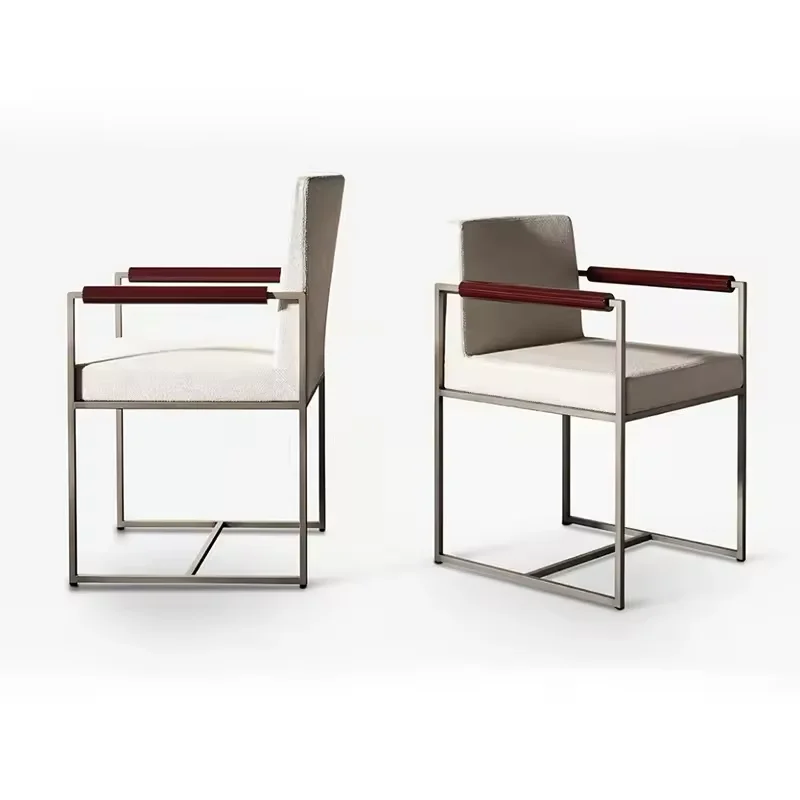
The Rider Chair brings industrial sophistication into urban café interiors. Its slender metal structure introduces precision without visual clutter, making it well-suited for loft-style cafés with exposed brick or steel elements.

The durability of its frame ensures long-term performance in high-traffic settings, while its balanced proportions maintain comfort and elegance.

5. High-Back Café Chairs for Intimate Corners

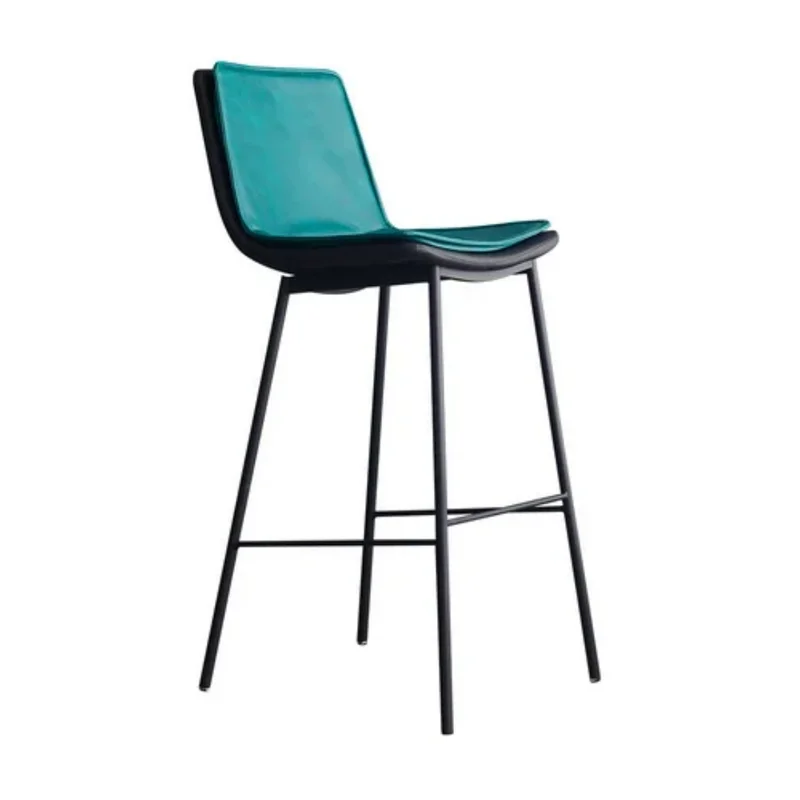
The Stylish High-Back Bar Stool creates a subtle enclosure within open café layouts. Its elevated backrest provides visual separation and ergonomic support, encouraging longer stays in window nooks or conversation-focused seating zones.

Despite its height, the silhouette remains refined rather than dominant. It performs especially well in multi-layered cafés where comfort and seclusion improve the visitor experience.

Stylish high-back bar stool with upholstered seat, sleek black metal legs, and modern silhouette ideal for contemporary kitchen counters and bars
Oloey Dining Chair with green upholstered seat and backrest, curved black metal frame and armrests in a modern minimalist design.

6. Soft Lounge-Style Café Seating

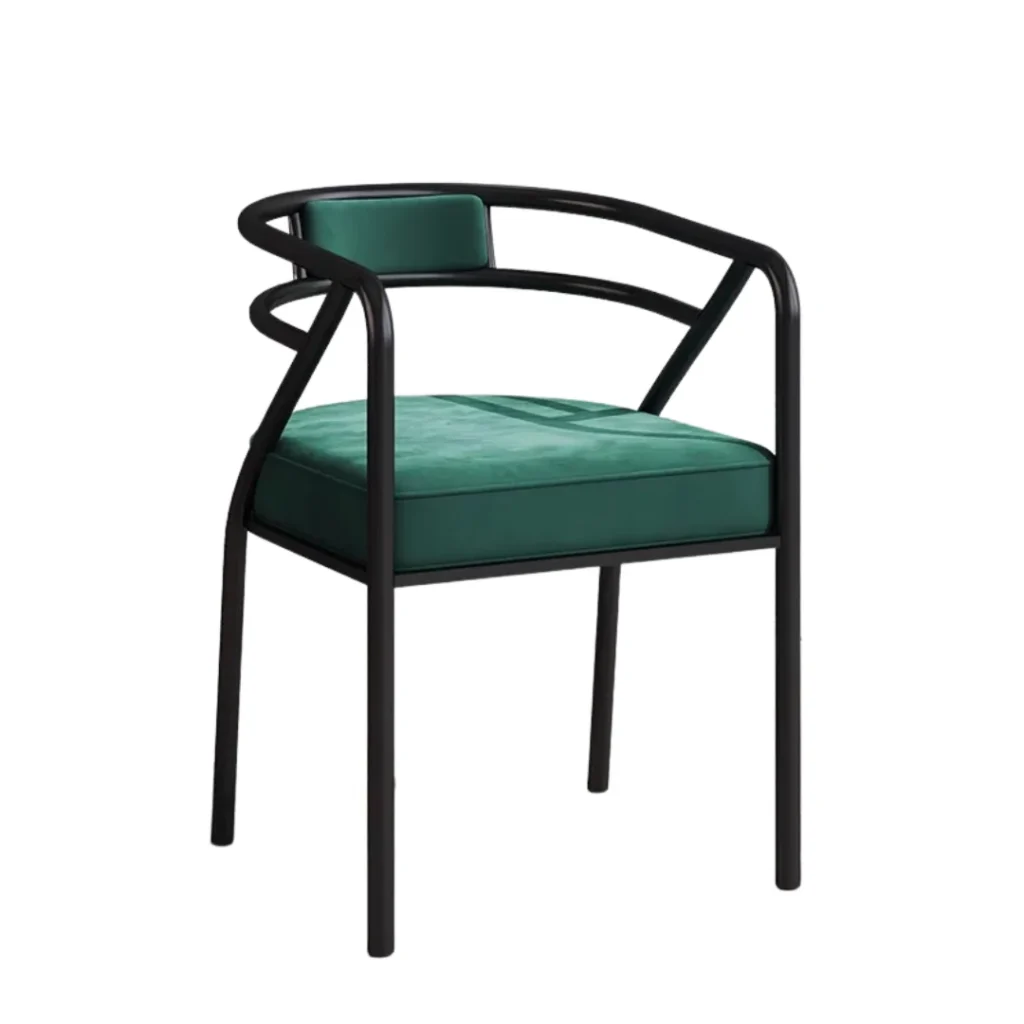
The Oloey Dining Chair blurs the line between café and lounge. Its relaxed proportions and supportive form create a more residential feel within commercial environments.

Ideal for specialty coffee lounges or hybrid café-cocktail spaces, it invites guests to settle in comfortably.

The chair reinforces a hospitality-driven atmosphere while maintaining structural clarity and visual cohesion.

7. Scandinavian-Inspired Refined Silhouettes

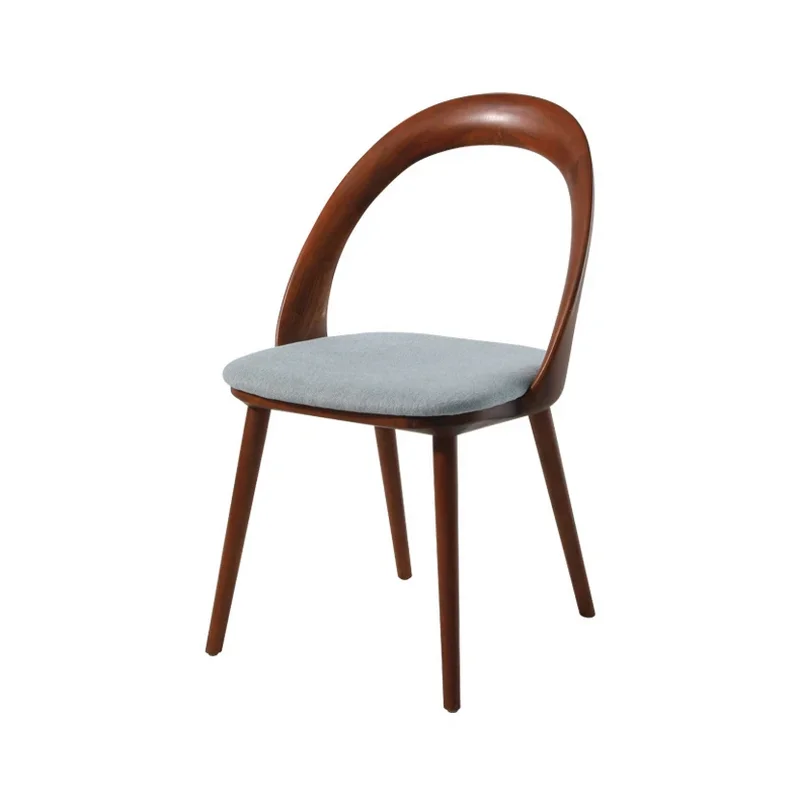
The Ester Dining Chair reflects a balanced blend of functionality and subtle elegance. With softened edges and controlled proportions, it integrates seamlessly into contemporary café interiors.

Its quiet presence enhances material layering, from warm woods to stone surfaces, without overwhelming the space. This chair supports cafés that embrace restraint, simplicity, and timeless design principles.

Ester Dining Chair with curved wooden backrest, brown wood frame, and grey upholstered seat in a sleek modern dining chair design.
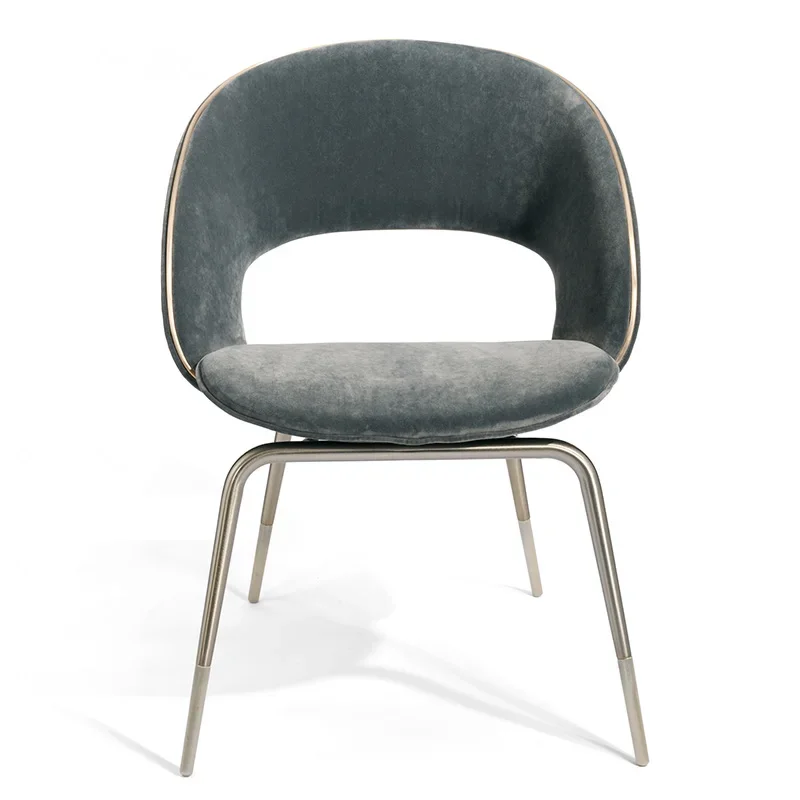
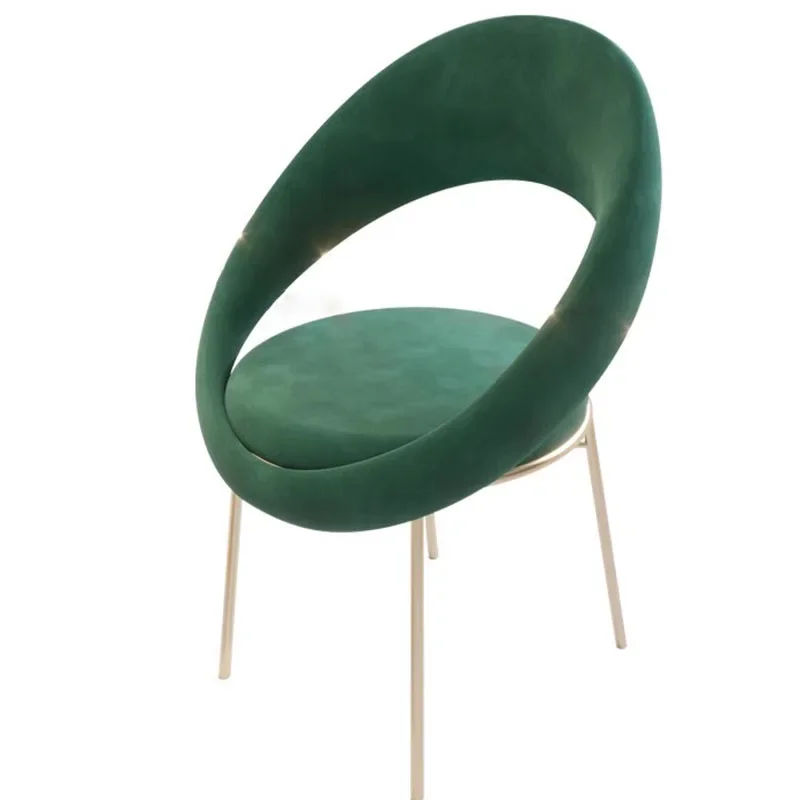
Stylish Velvet Accent Restaurant Chair: An emerald green velvet chair featuring a hollow circular back and slender gold metal legs.

8. European-Modern Curved Café Chairs

The Stylish Velvet Accent Restaurant Chair introduces sculptural fluidity into café seating. Its elegant upholstery and flowing backrest give it a stylish European-modern appearance. This chair adds to the layered luxury look of upscale coffee shops with brass accents or marble tables.

The curvature supports comfort naturally while reinforcing visual movement throughout the layout.

9. Lightweight Chairs for Flexible Café Layouts

The Minimalist Leather Armchair excels in adaptable café environments where layouts shift between busy mornings and relaxed afternoons. Its streamlined profile allows staff to reconfigure seating effortlessly without compromising visual balance. Despite its lightweight structure, it maintains stability and proportion, making it both practical and polished.

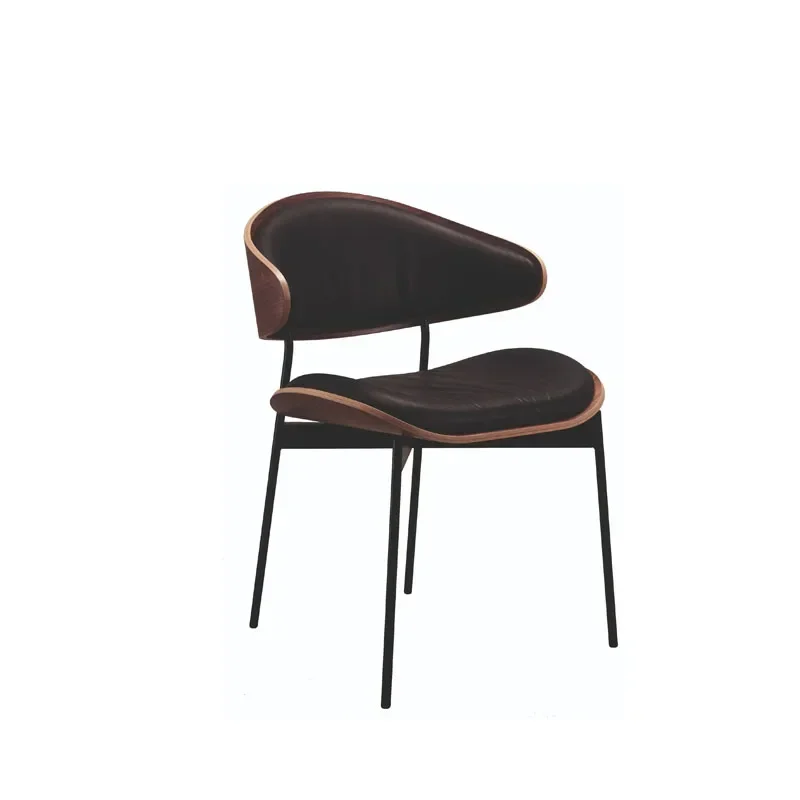
Minimalistic Leather Armchair featuring a sleek black leather seat, slim metal legs, wooden armrests, and a clean modern design for contemporary spaces
LUZ Upholstered Leather Dining Chair with simplistic and elegant design

10. Leather-Upholstered Chairs for Upscale Coffee Lounges

The Luz Upholstered Leather Dining Chair introduces refined texture and durability into upscale café settings. Leather upholstery adds subtle richness while withstanding frequent use.

Ideal for espresso lounges or hospitality-driven cafés, this chair enhances the tactile experience of the space. It conveys quiet luxury without visual excess.

11. Mixed-Material Café Chairs for Visual Depth

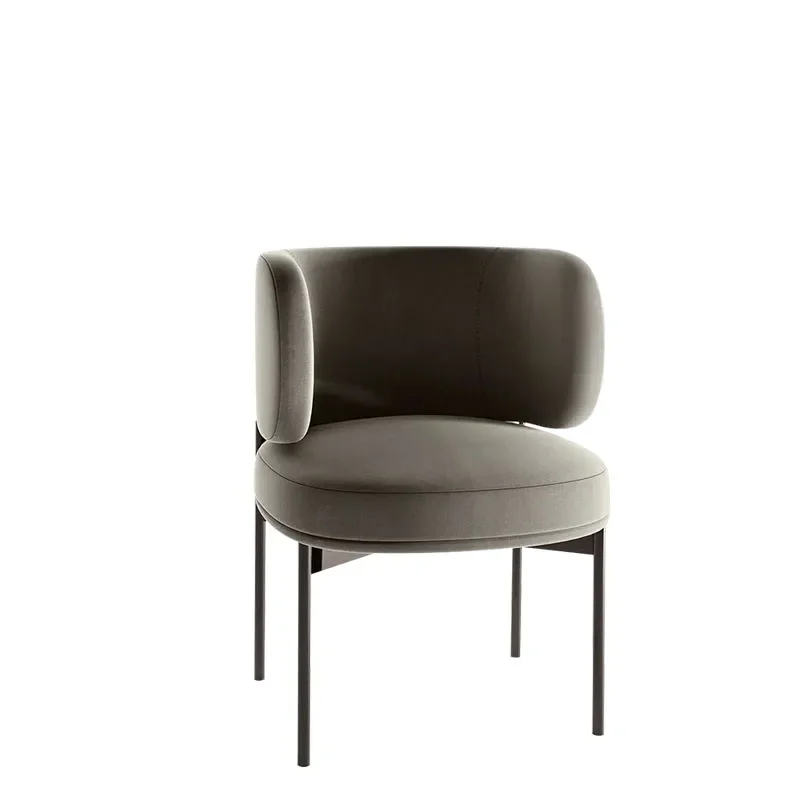
The Amalfi Luxury Dining Chair blends natural warmth with structural precision. Combining wood seating with metal framing adds dimensional contrast to contemporary café interiors.

This layered material approach prevents monotony and reinforces design intelligence, making it suitable for architect-led café concepts.

Amalfi Luxury Dining Chair: A sophisticated gray velvet chair featuring a wrap-around barrel backrest and slim black metal legs.
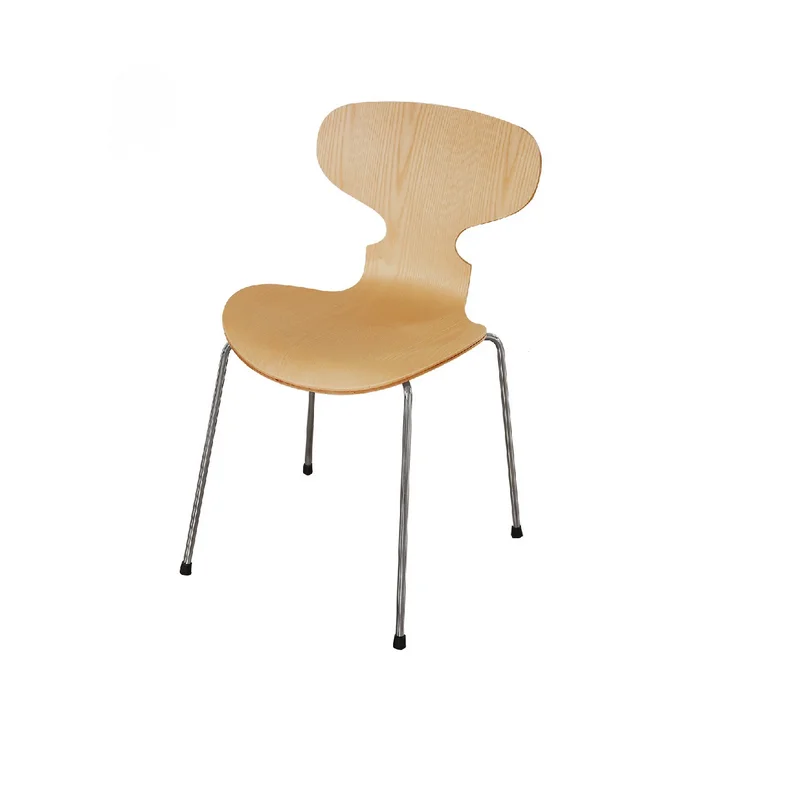
Ant Dining Chair: A classic mid-century side chair with a light wood-grain seat and backrest on slender chrome metal legs.

12. Compact Chairs for Small Boutique Cafés

The Ant Dining Chair supports smaller café footprints without sacrificing refinement. Its scaled proportions preserve circulation flow while maintaining comfort.

In boutique coffee shops or narrow urban cafés, it allows more seating flexibility without crowding the space. Compact yet considered, it supports both functionality and visual clarity.

13. Timeless Mid-Century Inspired Café Seating

The Belloch Dining Chair channels subtle mid-century influence through tapered legs and controlled curves. Its balanced form complements cafés that value enduring design over fleeting trends.

The silhouette remains relevant year after year, ensuring long-term aesthetic stability in hospitality environments.

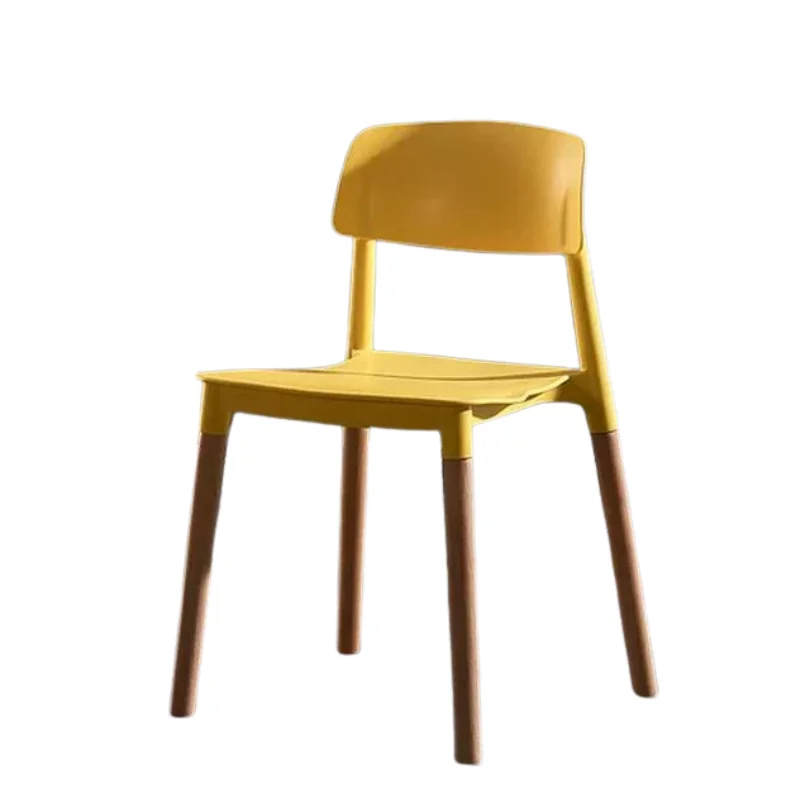
Belloch Chair Colorful Dining Chair: A modern yellow resin side chair featuring a contoured backrest and tapered wooden legs.
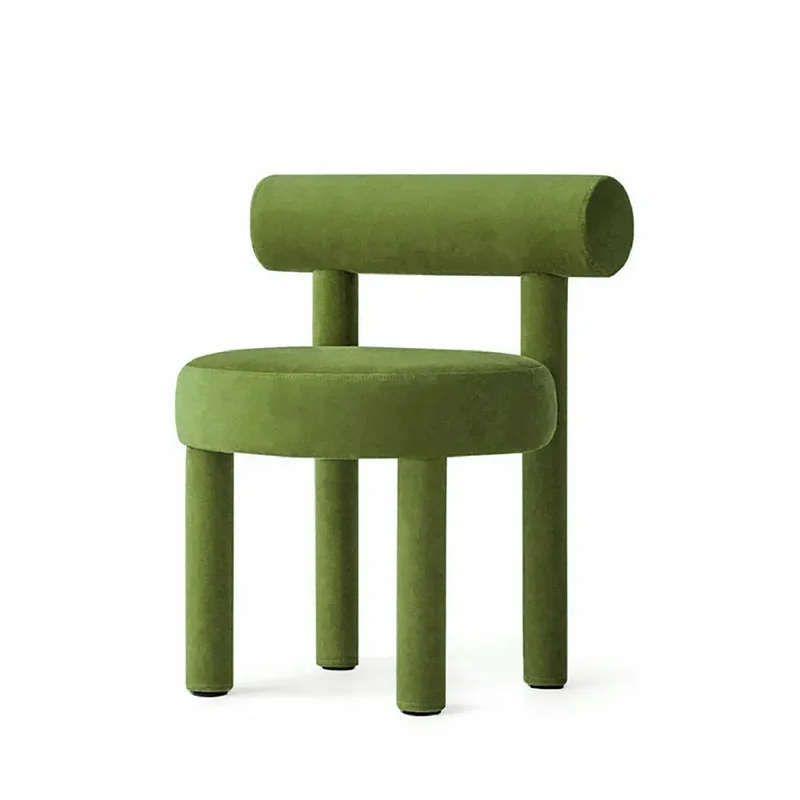
Gropius Upholstered Dining Chair: A geometric green velvet chair with a round seat, four cylindrical legs, and a bolster backrest.

14. Textural Fabric Chairs for Layered Interiors

The Gropius Upholstered Dining Chair introduces depth through fabric texture and tailored detailing. In cafés that embrace layered materials-wood, stone, and textiles-this chair enhances sensory richness and visual warmth. Its upholstery softens harder architectural elements, creating a welcoming yet composed environment.

15. Design-Forward Café Chairs for Brand-Driven Spaces

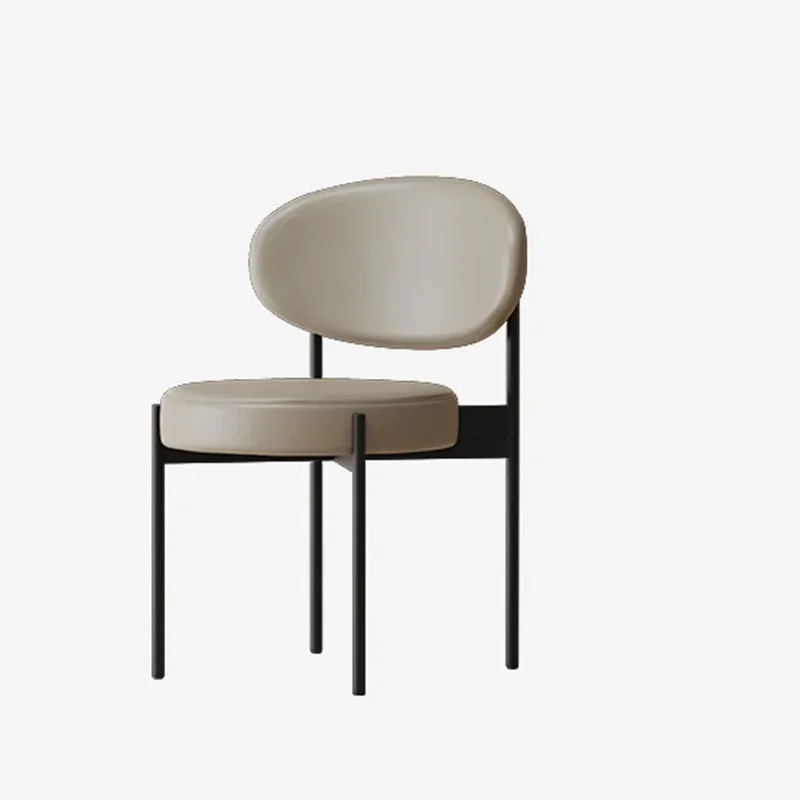
The Classic Italian Dining Chair stands out with bold geometry and a confident stance. Perfect for concept cafés and architect-led spaces, it reinforces brand identity through form alone. While visually expressive, it remains comfortable and proportioned, supporting both aesthetics and usability.

Each and every one of the seats mentioned above exemplifies a distinct strategy for utilizing proportion, material integrity, and craftsmanship to create a refined, high-end café atmosphere. The correct chair contributes to defining the way the room feels and works, whether the objective is minimalist restraint, layered warmth, or sculpture impact.

In thoughtfully designed cafés, seating is never incidental. It is strategic, architectural, and quietly influential, shaping the experience long after the coffee is finished.

Classic Italian Dining & Side Chairs: A minimalist chair featuring a round beige seat, oval backrest, and slim black metal frame.

Designing Café Spaces That Leave a Lasting Impression

Creating a high-end café atmosphere entails far more than just choosing gorgeous finishes and adding statement lighting. From coffee shop lounge chairs to structural cafe chairs, each furniture element appeals to the space’s welcoming feel.

Every chair type has a distinct function, ranging from simple timber forms and upholstered lounge-style alternatives to sculptured statement seats. The secret is striking a balance between comfort and architectural clarity, proportion and circulation, and beauty and durability. A well-designed café should feel effortless, yet it is always the result of intentional planning and thoughtful selection. Whether you are designing a boutique espresso bar, a luxury coffee lounge, or a hospitality-driven café concept, seating should never be an afterthought. It is one of the most powerful tools in shaping brand identity and spatial experience. Customization matters in hospitality. Seating can be specified by upholstery type, color, wood species, stain/finish tone, and material pairing-so chairs align with tabletops, lighting, and the overall concept instead of looking “added on.”

At Mi Silla, café seating is crafted with this philosophy in mind, offering modern café furniture, refined coffee shop chairs, and carefully designed chairs as café seating solutions that balance comfort, durability, and architectural presence.

Premium accent chair ideas for living room

Premium Accent Chair Ideas for Living Rooms

Premium accent chair ideas for living room

Premium Accent Chair Ideas for Living Rooms

When designing a living room, the right furniture can instantly define the space – creating a focal point that captures attention and sets the mood. Accent chairs are the perfect way to achieve a refined look.

More than just a place to sit, accent chairs are sculptural centerpieces that showcase a designer’s creativity and artistic vision.. character, texture, and dimension to the space while offering functional seating.

For an interior designer or stylist, an accent chair introduces layers of texture, shape, visual depth, and architectural detail to a project.
Whether you’re aiming for a bold statement piece or a subtle touch of sophistication within a high-end residential project, the right chair will make a big difference.

This blog will help architects, interior designers, contractors, and homeowners curate captivating accent chair ideas for elegant living rooms.

How Does an Accent Chair Add a Touch of Class to the Living Room?

The living room or lounge of a residence, hotel, or spa is where first impressions are made. It reflects the interior designer’s creativity, taste, and signature style.

Accent chairs play a key role in defining that narrative. They offer a functional way of introducing a pop of color and layers of texture to the room. Unlike the standard seating, they provide a visual rhythm and a layer of sophistication that transforms the entire layout.

Here are a few ways the accent chairs add a touch of sophistication and balance to any space:

  • Creates a Focal Point – An accent chair serves as a visual anchor, drawing viewers’ attention. It makes the space feel intentionally designed rather than furnished.
  • Adds a Pop of Color – In a neutral or understated living room, an accent chair brings vibrancy and energy, making the space more dynamic and inviting.
  • Balances Neutral Elements – The key to harmonious design is contrast. A neutral accent chair can balance bold walls or statement décor, creating a calm, cohesive look.
  • Redefines Unused Areas – Accent chairs are the perfect pieces for filling empty corners or underutilized zones.. They can transform neglected spaces into stylish, functional nooks.
  • Maximizes Space – In smaller living rooms, accent chairs add seating without overwhelming the layout, making the area feel open yet complete.

The Power of Customization

At Mi-Silla, every accent chair is more than a piece of furniture – it’s a statement tailored to your vision.

We specialize in custom upholstery, premium fabrics, and made-to-order wood finishes, allowing designers and homeowners to fully personalize each chair. Whether it’s the fabric texture, color tone, or wood grain, every detail is crafted to align perfectly with your interior concept.

From minimalist elegance to luxurious statement pieces, our custom design process ensures that each accent chair not only complements your space – it defines it.

What are the Common Types of Accent Chair Designs?

When it comes to styling a living room, creative furniture pieces like an accent chair can make a lasting impression.. Whether the interior leans minimalistic, contemporary, or bohemian, an accent chair effortlessly ties the design elements together.

For an interior designer, stylist, contractor , and homeowners understanding the types of accent chairs can help make the best styling choice.

From cozy wingback silhouettes to sleek modern designs, each style offers a distinct visual statement.

At Mi-Silla, every chair can be customized – from the fabric and upholstery texture to the wood finish and color tone. This flexibility allows each design to be tailored precisely to the project’s aesthetic, whether it’s for a high-end residential living room or a boutique commercial lounge.

Here are the top accent chair styles that have unique characteristics and features. Each with its own design language, comfort level, and customization potential.

Arm Chair

A timeless favorite, the armchair combines comfort and structure with upholstered arms that invite relaxation. Most types of armchairs come with soft pads and high-density foam cushions to support the back and provide an ergonomic feel.

These accent chairs fit perfectly in the living room thanks to their classic designs. Moreover, they come in a variety of colors and styles, making styling needs more straightforward.

Side Chair

Side chairs elegant, slim, and versatile. With their straight backs and lightweight frames, they are perfect for petite living rooms or transitional spaces This accent chair style easily complements small spaces or petite living rooms. Side chairs are preferred for their portability, storage, and easier styling.

Due to their straight backs, these chairs create an elegant and formal look. The chair’s subtle design accentuates the space’s chic element.

Wingback Chair

The wingback chair is a true design classic, recognized by its tall back and signature “wings” that embrace the sitter in comfort. Originally designed to capture warmth near the fireplace, this style now adds a sense of grandeur and character to modern interiors They are perfect for contrasting with the room’s color and pattern. For a rustic living room, this accent chair style would add an old-world charm.

Whether your commercial living room project calls for mid-century modern or traditional elements, adding a wingback will add an accent.
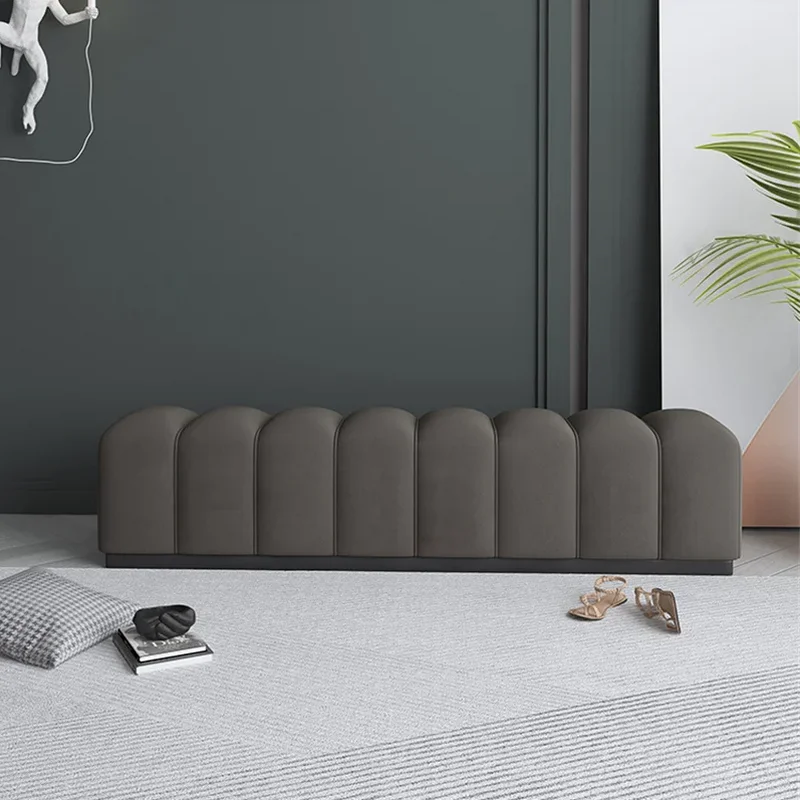
Explore our Wingback Collection to discover how Mi Silla transforms this timeless silhouette into contemporary, made-to-order pieces that elevate any space.

Slipper Chair

Slipper chairs are armless, sleek and space-efficient, making them ideal for compact living rooms or boutique-style interiors.
Originally designed for a dressing room, this chair has evolved into a versatile piece that complements modern, minimalist, and contemporary spaces alike.

Thanks to their lightweight and slender profile, slipper chairs are perfect for adding extra seating without overwhelming the layout. Their clean lines and refined proportions allow them to blend beautifully with existing décor while keeping the room feeling open and airy.

Explore our Slipper Collection to see how Mi-Silla redefines this classic silhouette with custom fabrics, colors, and wood finishes – bringing a tailored touch of elegance to any interior.

10 Best Living Room Accent Chair Ideas

A living room deserves furniture that not only elevates its style but also provides exceptional comfort. In this regard, accent chairs are perfect for creating focal points and defining the mood of the space.

By choosing the right style of chair, a stylist, designer, contractor, or homeowner can refine even the most compact living room. The key lies in selecting designs that deliver impact without overwhelming the layout.
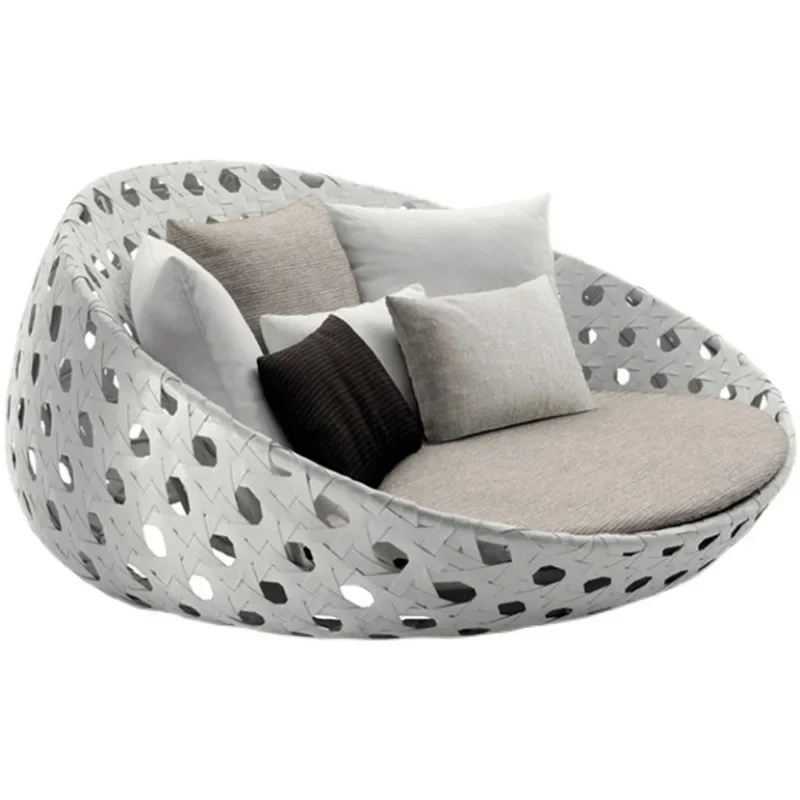
Every living room has its own distinctive character – architectural proportions, color palette, and lighting play a role. These elements should guide your choice when exploring accent chair ideas for living rooms and bedrooms.

At Mi-Silla, each accent chair is fully customizable – from upholstery and fabric texture to leg finish and wood tone – allowing you to align the piece precisely with your project’s aesthetic. Whether designing a boutique-style apartment or a luxury residential space, customization transforms a good design into a personal statement.

Here are the top 10 styling tips and accent chair design ideas to turn any living room into a sophisticated, comfortable, and visually captivating space:

1. Place Accent Chairs Near Coffee Tables

Make the accent chair the focal point by positioning it strategically around the coffee table – the heart of the living room. Since the coffee table is where people gather, seating placement plays a vital role in setting the atmosphere. Place two accent chairs opposite each other or angled beside the sofa to create visual balance and conversation flow. For example, adding seating options like the Mart Relax MPRN_1 Accent Chair will serve the purpose while offering optimum comfort and artistry to the setup.
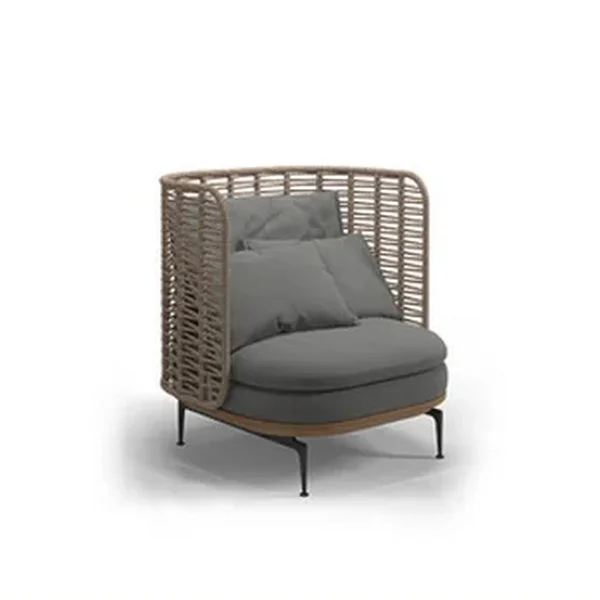
Designers can play with contrasting shapes and textures – pairing a curved chair with a geometric table – to achieve a visually a harmonious yet dynamic style.

Mart Relax MPRN_1 Accent Chair with sculpted leather upholstery, ergonomic lounge form, and sleek metal frame for modern interiors.
Luxury Cream Hotel Shell Lounge Chair with soft upholstered seat, curved shell design, and elegant wooden legs for refined interiors

2. Make the Chair a Statement Piece

Accent chairs are the easiest way to inject personality into a space. Whether through color, shape, or texture, a statement chair instantly elevates the room’s character.

For minimalist or neutral interiors, consider a boldly upholstered piece that introduces contrast. On the other hand, if the room already features vibrant patterns, opt for a soft-toned, textured fabric that complements without competing.

However, if the room is too colorful or patterned, a more subtle chair would be beneficial. Pieces like the Luxury Cream Hotel Shell Lounge Chair would help tie the room’s designs, colors, and elements together.

3. Create a Cozy Nook

Empty corners or architectural recesses are perfect opportunities to create a reading nook or relaxation zone. Placing a comfortable accent chair near the bookcase will help create a comfortable seating area. Options like the Comfy Accent Chair with Footrest can help achieve these styling goals. Pair the chair with a matching ottoman or footrest, a side table, and soft lighting to complete the setup.

Adding these accent chair styles to the project will help the clients feel relaxed and comfortably dive into a good book or read mail. Make sure that the place gets optimal sunlight to make it more inviting and relaxing.

A uniquely shaped, comfy accent chair, upholstered in a fabric with a colorful, impressionistic, swirling brushstroke pattern of blues, greens, and yellows.
A Scandinavian-style Mammoth Lounge Chair with a dark tufted seat and high wingback profile on a light natural wood frame.

4. Give Priority to Comfort

When choosing furniture for the living room or selecting an accent chair for the bedroom, comfort should be the top priority. A cozy accent chair in a hotel or residential space invites people to sit, relax, and enjoy the atmosphere, fostering social interaction and hospitality.
When comfort and style are combined, the room becomes both functional and chic. Before selecting a chair to the room, consider the material and craftsmanship behind it.

High-quality upholstery like genuine leather, rich velvet, or performance fabric not only lasts longer but also evokes a luxurious feel. At Mi-Silla, each chair is ergonomically designed and fully customizable, allowing you to select the perfect density, cushion style, and upholstery for your project.

For instance, adding the Mammoth Lounge Chair offers generous proportions that encourage relaxation while maintaining a modern aesthetic.

5. Play with Colors

For interior designer, stylist and homeowners, adding an accent chair to the living room opens the door to creativity. Experiment with tones, patterns, and textures that contrast or complement your space.

In modern interiors with clean lines and minimalistic décor, a neutral or monochromatic chair creates visual balance. In more traditional or eclectic settings, a boldly colored or patterned piece can energize the room.
For colorful, artistic rooms, a vibrant model like the Shadowy Accent Armchair would automatically adds a playful yet sophisticated touch.

A highly distinctive Shadowy Accent Armchair with an orange, red, and yellow zig-zag woven pattern, featuring an exceptionally tall, curved backrest shaped like a scorpion's tail.
Mid-century Clam Chairs Designer Accent Chair featuring plush white sheepskin upholstery and elegant curved wooden armrests.

6. Opt for Strategic Positioning

Strategically placing an accent chair is essential to elevating the living room’s aesthetic. The right position transforms an accent chair from a decorative accessory into a functional design feature.

Placing the accent chair in the corner of the room creates a cozy reading nook, while setting it near a window invites natural light and relaxation. Positioning it beside a small table makes the area more functional, social, and balanced.

Designs such as the Clam Chairs Designer Accent Chair can anchor a corner with sculptural elegance, turning unused areas into inviting spaces.

7. Style with Throw Pillows

Throw pillows are an effortless way to bring color, comfort, and cohesion to the living room. They bridge the visual gap between the sofa and accent chair while adding texture and personality.
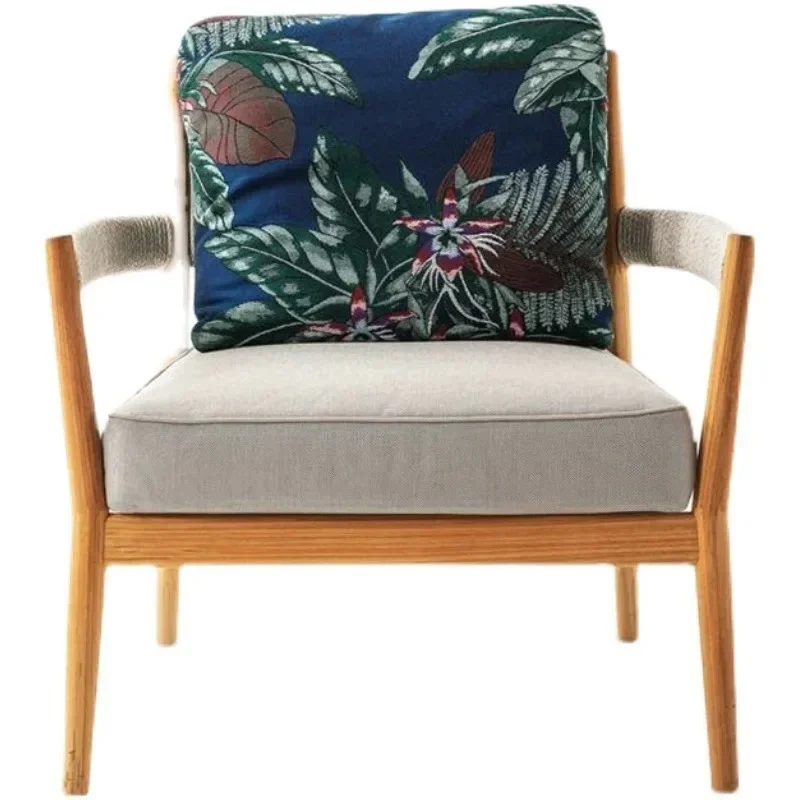
Pairing a bold or textured pillow with a statement lounge chair – such as the Fried Egg Lounge Chair will enhances both comfort and design harmony.

At Mi-Silla, every detail can be tailored, including matching or contrasting fabrics for pillows and upholstery, ensuring a complete, curated look for your project.

Mid-century modern Fried Egg Lounge Chair in yellow upholstery with an asymmetrical curved backrest and solid wood legs.
Wave Accent Chair in dark green upholstery with flowing sculptural form and low-profile curved seat on a clean white background

8. Mix and Match with Interiors

Mixing and matching furniture with the existing interior is one of the smartest and most creative ways to design a living room. Combining an accent chair with other furniture piece introduces depth, character, and personality to the space.
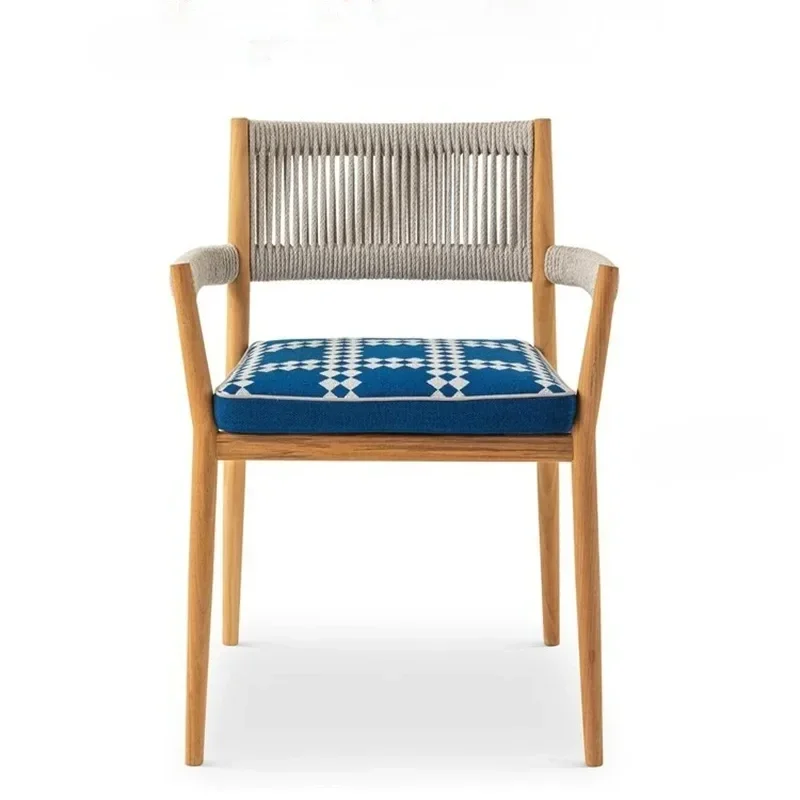
To achieve a cohesive yet dynamic look, choose designs that share similar materials, tones, or visual elements. Don’t be afraid to experiment with contrasts, a neutral space can come alive with a bold or textured accent chair.

For instance, pairing a sleek modern armchair, like the Wave Accent Chair, with an antique side table creates a sophisticated fusion. Or, blending a traditional wingback chair with a minimalist slipper seat can be balance classic charm with modern flair.

9. Armless Chair for Smaller Rooms

When styling compact living rooms, armless accent chairs are the ultimate space-savers. Their clean lines and open silhouettes make the room feel larger while maintaining elegance and comfort.

A model like the Luxury Dark Blue Shell Lounge Chair, perfectly demonstrates this concept – adding character without taking up visual space.

Armless chairs are also lightweight and easy to move, giving interior designers, stylists, and homeowners the flexibility to refresh layouts whenever inspiration strikes. Designs with low backs and slim legs enhance the sense of openness, making them ideal for apartments, studios, or boutique lounges.

Luxury Dark Blue Shell Lounge Chair with smooth upholstered seat, sculpted shell design, and refined wooden legs for premium interiors
A cozy Sheepskin Knitting Accent Chair featuring a plush, textured beige fleece seat on a minimalist natural wood frame.

10. Enhance the Functionality of the Room

A well-placed accent chair doesn’t just enhance aesthetics – it also elevates functionality. Its versatility allows designers to define small zones within a space, creating inviting corners for reading, socializing, or simply relaxing.

Smaller than sofas yet big on impact, these chairs can be easily repositioned to suit the occasion. A plush, inviting piece like the Sheepskin Knitting Accent Chair offers comfort and enclosure, ideal for reading sessions or cozy gatherings.

With their unique shapes, textures, and custom finishes, Mi-Silla’s accent chairs complement both traditional and contemporary interiors, transforming living spaces into elegant, multi-functional environments.

Key Elements to Consider When Choosing an Accent Chair

Choosing the right accent chair goes beyond appearance, it’s about creating harmony, purpose, and proportion within your interior. No matter the décor style, a thoughtfully selected chair can transform a room from simple to spectacular.

Accent chairs also bring color, texture, and balance, effortlessly tying together your design theme. For interior designers, stylists, and homeowners, each selection should reflect both form and function.

Here are key principles to guide your choice:

  • Choose chairs that offer an inviting, graceful feel without compromising on style.
  • Look for high-end materials, such as genuine leather, premium woodand durable fabrics for long-lasting beauty.
  • Combine colors, shapes, and materials that complement existing furniture for a cohesive design flow.
  • Select textures, finishes, and tones that align with the room’s character and palette.
  • Ensure the chair enhances the layout while maintaining balance and functionality.

Make the Living Room Irresistible with Mi Silla Accent Chairs

Incorporating a premium accent chair into your living room is one of the effective ways to add color, warmth, and individuality to the space. Whether for a boutique hotel, modern residence, or elegant commercial lounge, the right chair instantly elevates sophistication and comfort.

At Mi-Silla, we offers designer accent chairs that merge luxury materials, bespoke craftsmanship, and timeless silhouettes. Each piece is customizable – from fabric and color to wood finish – ensuring that every chair is a perfect reflection of your vision.

By mixing and matching the Mi-Silla chairs with your existing interior, you can create a curated space that radiates elegance and creativity.

Explore our Accent Chair Collection and transform your living room into a stunning showcase of design and comfort.

An Expert Guide to the Types of Dining Chairs for Every Style

A Complete Guide to the Types of Dining Chairs for Every Style

An Expert Guide to the Types of Dining Chairs for Every Style

A Complete Guide to the Types of Dining Chairs for Every Style

Furnishing the perfect dining space is an artistic experience – whether you’re designing your own home or styling a space for a high-end client.

The dining area is all about a welcoming ambiance, a soft, cozy presence, and a spot where everyone can feel comfortable, where conversations unfold, laughter flows, and meals become memories. It is a one-of-a-kind space that we rarely consider when decorating.

With so many textures, tones, and furniture options to choose from, creating a cohesive look can feel overwhelming. And when it comes to finding the perfect dining chairs, even the most seasoned designers sometimes pause.

Which type of chair is perfect for your dining room table? Will it be comfortable? Will it go with the theme and still be functional?

There are so many aspects to consider – the space theme, the need for the chairs, accessibility, where they will be placed – table or countertop, and so much more.

At Mi Silla, we believe that great design should reflect your personality. That’s why every dining chair can be customized – from frame color and upholstery fabric to texture, finishes, and size. Whether you’re furnishing a private residence or a commercial dining space, our tailored approach ensures your chairs are as unique as your vision.

This complete guide breaks down the most popular types of dining chairs, helping homeowners, decorators, builders, and designers discover the perfect balance between comfort, design, and timeless appeal.

Getting Familiar with the Most Common Dining Chairs

Dining chairs are more than a seating experience for eating. They’re an essential part of the dining experience. Each piece contributes to the atmosphere, complements the table, and brings a balance of comfort and style to the room.
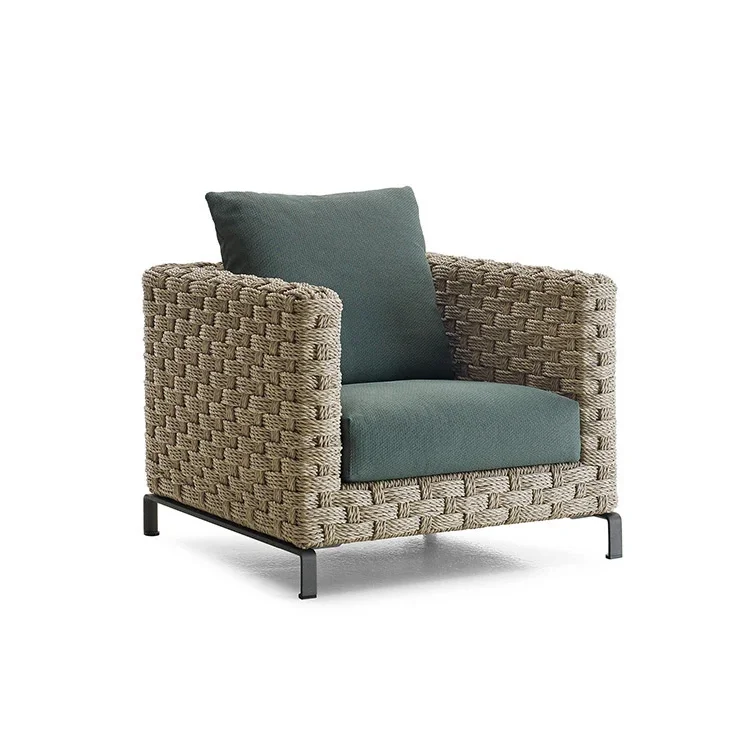
Whether you’re designing a luxurious, classic dining room or styling a sleek, minimalist dining room, there’s a dining chair that matches your vision. Let’s take a look –

1. Side Chairs - The Everyday Classic

Simple, versatile, and effortlessly elegant, side chairs are the most common type found in dining spaces. Designed without arms, they easily slide under the table, saving space while keeping the area open and accessible.

Side chairs are –

  • Perfect for smaller dining areas or minimalist interiors where the furniture can be easily tucked away and doesn’t appear cluttered. It offers a casual vibe, perfect for friendly get-togethers and easy dinners.
  • They have a slim outlook, nothing bulky, and blend well with a range of décor styles and themes. Whether opting for a sleek wooden chair that fits the traditional vibe or a bar-style stool chair for a modern dining space, the design combinations are endless.

Some side chairs have upholstered seats for extra comfort, while others employ wood, cane, or metal for a more defined shape. They are versatile and, ideally, the first choice for every designer working with a small space.

The LUZ Upholstered Leather Dining Chair is a perfect representation of the modern side chair – combining soft leather upholstery with a streamlined frame that fits beautifully into both contemporary and transitional dining spaces. Its subtle curves and refined stitching make it equally suitable for luxury residential projects and boutique restaurants.

LUZ Upholstered Leather Dining Chair with simplistic and elegant design
Ego Dining Chair with white modern design for your dining space

2. Armchairs- Comfort with a Touch of Luxury

Dining armchairs are a more comfortable variant of dining chairs that add a little more warmth, luxury, and formality. There are various heights of armchairs available, and they can easily fit with a dining table to offer a seamless visual and functional experience.

Why they stand out –

  • Typically placed at the head or foot of the dining table and provide added support for the upper body and arms.
  • They are ideal for long meals, formal events, or after-dinner coffee sessions when everything is discussed, yet with a touch of elegant familiarity.
  • Their taller backs, upholstered arms, and padded seats make them ideal for spaces that blend elegance with functionality.
  • Dining armchairs come in endless styles — from clean-lined, modern silhouettes to traditional wooden frames with ornate details or embroidered finishes. Whether in a minimalist home or a luxury hospitality project, these chairs instantly elevate the dining setup.
  • Interior designers often use them as statement pieces, pairing them with simpler side chairs for a refined, balanced composition that enhances both comfort and visual appeal.

For a bold, luxurious statement, the Ego Dining Chair is a must-have. Its sculptural silhouette and plush upholstery instantly command attention, making it the centerpiece of any high-end dining space.

If you’re leaning toward something sleek and contemporary, the Minimalistic Leather Armchair offers the perfect balance – refined, comfortable, and effortlessly elegant. Its clean lines and smooth leather finish make it a top pick for modern interiors and boutique restaurants alike.

Whether classic or minimalist, dining armchairs remain an essential design element for spaces that prioritize both comfort and visual sophistication. They don’t just complete the table – they elevate the entire dining experience.

3. Parsons Armchairs - Clean Lines, Timeless Appeal

Parsons chairs are a modern classic beloved by designers and style-conscious homeowners for their clean lines, square silhouette, and tailored upholstery. A Parsons armchair, indeed, holds a special place in furnishing, and for the right reasons –

  • Originally crafted in the early 20th century at the Parsons School of Design, these chairs elegantly blend simplicity with sophistication. While they can be placed in a sophisticated dining hall for a special event, their lightweight design blends well with a casual nighttime session with friends and family.
  • These chairs commonly feature a solid wood or metal frame, an elegant, comfy padded seat and backrest. They are draped in rich, textured fabric or leather, which is comfortable and visually appealing.
  • The neutral aesthetic of the pieces makes them remarkably versatile – equally suited for a minimalist dining space, a coastal diner, or a luxurious lunchroom.
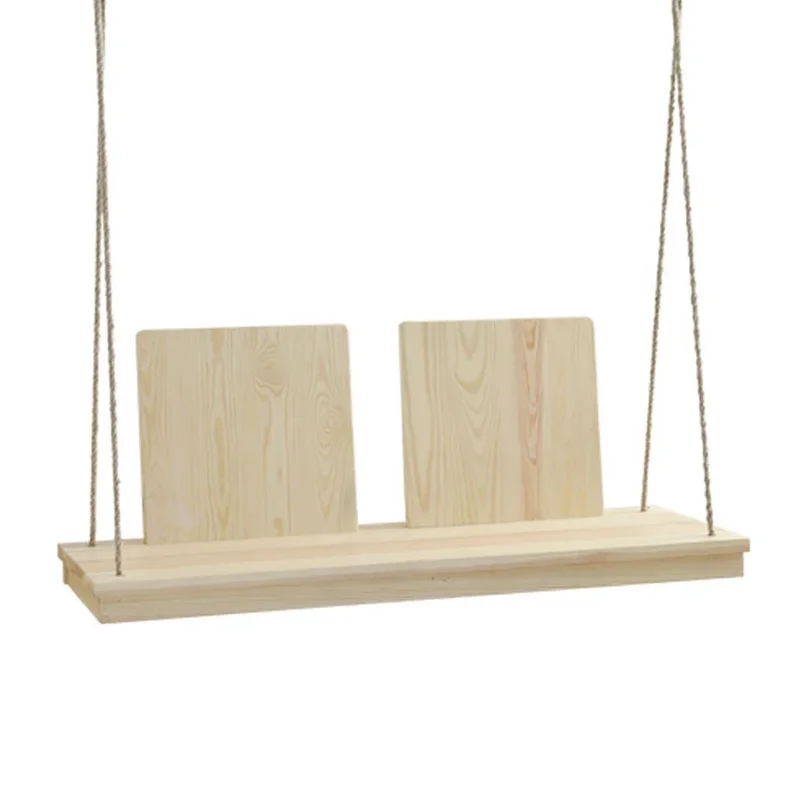
Upholstered Parsons chairs particularly shine in contemporary dining rooms, where comfort and elegance are paramount. With their timeless design and ergonomic form, they continue to be a go-to choice for architects, decorators, and hospitality designers looking for a chair that’s as functional as it is elegant.

Wingback Wing Fabric Armchair in deep red upholstery with high winged back, cushioned seat, and wooden legs in a modern interior setting
Papa Bear Lounge Wingback Chair with brown modern finish for your interior

4. Wingback Chairs- Where Luxury Meets Drama

Wingback chairs are a timeless choice for sophisticated dining spaces, instantly recognizable by their tall, upholstered backs and the elegant “wings” that sweep gracefully down the sides. The enveloping frame leaves a lasting impression on anyone who steps into the space. They are still famous for the right reasons –

Why they continue to captivate designers –

  • Originally designed to add warmth in cold rooms, modern wingback dining chairs are now celebrated for their majestic form and luxurious appeal.
  • These chairs add a sense of drama and elegance to formal dining rooms and are used in traditional and eclectic decorating schemes.
  • Modern wingbacks display more symmetrical silhouettes, updated fabrics, and varied designs that better suit current tastes.
  • Their authoritative presence makes them a favorite for high-end homes, luxury restaurants, and penthouse dining areas, where elegance and comfort must coexist.

Whether styled in velvet for a statement look or neutral tones for subtle sophistication, wingback chairs command attention. They’re more than just seating – they’re architectural elements that anchor the dining room with confidence and class.

5. Ladder-Back and Slat-Back Chairs- Simple, Airy, and Timeless

Among the most enduring styles in dining furniture, ladder-back and slat-back chairs remain favorites for both designers and homeowners who appreciate simplicity, craftsmanship, and versatility.
Named for their horizontal wooden slats that resemble a ladder, these chairs offer a relaxed, airy aesthetic that instantly warms up a dining space.

Why they’re a classic choice –

  • The style promotes air circulation and a light, airy feel, making it suitable for casual or comfortable dining rooms.
  • Both styles are ideal for farmhouse, cottage, and Shaker-style interiors, where minimalism and handmade furniture are assets. The slats can also be varied in number, though three and five are the most popular.
  • Some models feature a soft bend at the upper slat, maximizing ease of use. Even though they were initially designed with wood, modern models feature metal frames or mixed-material blends.

Thanks to their lightweight and minimal profile, ladder-back and slat-back chairs are especially well-suited for smaller dining areas or garden-style dining spaces. They maintain visual openness without sacrificing charm – a timeless balance of functionality and design.

Pierre Office Chair with classic wooden finish to suit your interior

Classic Designs: Timeless and Antique Dining Chairs

Queen Anne, Chippendale, and Windsor – these legendary antique chairs styles have stood the test of time. Their intricate craftsmanship, elegant silhouettes, and historical charm continue to inspire homeowners, designers, and collectors alike.

These antique dining chairs bring more than just seating to a space, they bring character, heritage, and a story that connects modern interiors with centuries of artistry. Whether placed in a vintage dining room or reimagined within a contemporary setting, they add instant sophistication and visual depth.

Let’s take a closer look at some of these enduring classics that have continued to spark conversations for generations.

1. Queen Anne Chairs– Grace from the 18th Century

Originating in early 18th-century England, Queen Anne chairs introduced a more graceful and organic approach to furniture design, replacing the heavier William and Mary style.

Key features –

  • The signature cabriole leg – a gently curved form ending in a pad or ball-and-claw foot.
  • A vase-shaped back splat that follows the spine’s curve for comfort and poise.
  • Crafted from walnut, cherry, or mahogany, often finished in dark stains to highlight the chair’s elegant lines.

Modern versions combine upholstered seats and ergonomic comfort with the same timeless silhouette, making Queen Anne chairs a perfect fit for traditional, transitional, or contemporary dining spaces.

2. Chippendale Chairs English Elegance Redefined

Named after English cabinetmaker Thomas Chippendale, these mid-18th-century masterpieces elevated the Queen Anne style with a mix of Gothic, Rococo, and Chinese influences.

Key features –

  • Intricate pierced splats, ribbon or shell motifs, and graceful S-curves.
  • Cabriole or fluted legs ending in ball-and-claw or lion-paw feet.
  • Crafted from mahogany with a deep, polished finish that highlights ornate carvings and solid construction.

Even now, they are highly valued for their beautiful artistic quality and one-of-a-kind visual presence, highly sought after for vintage interiors.

3. Windsor Chairs

Originating in 18th-century England, Windsor chairs are known for their solid wooden seat, spindle-back design, and gracefully splayed legs that combine strength with visual lightness.

Key features –

  • Available in bow-back, fan-back, and comb-back variations.
  • Traditionally crafted from oak or ash, perfect for farmhouse or cottage-style décor.
  • Modern versions feature sleek finishes and premium woods, fitting beautifully into contemporary spaces.

Famed for their strength, light structure, and versatility, Windsor chairs effortlessly blend in with relaxed and formal settings. Easy to move around with, they are ideal for flexible dining areas. Beyond the comfort and usability, the timeless design intrigues interior professionals to blend the traditional and the contemporary.

Types of Contemporary Dining Chairs For Today's Spaces

Modern dining rooms are all about innovation, functionality, and simplicity, serving the space’s purpose effectively. However, while design trends have evolved from traditional craftsmanship to minimalist forms, the essence of creativity still defines every great piece.

Today’s contemporary dining chairs are more than just furniture; they’re sculptural statements that shape the room’s personality. Each design tells a story – blending past influences with present sensibilities – and invites every guest into a subtle dialogue between comfort, nostalgia, and modern living.

1. Mid-Century Modern Dining Chairs – The Era of Effortless Design

Mid-century modern dining chairs from the 1940s-1960s are famous for their timeless fusion of form and function. They are more about ergonomic ease, minimal lines, and organic contours.

Key Features:

  • Characterized by tapered legs crafted from walnut, teak, or oak, they impart a sense of lightness and visual openness, enhancing a room’s airy quality.
  • These chairs are remarkably adaptable and can seamlessly work with dining tables crafted from glass, wood, or stone. Their sleek, minimalist designs and neutral hues are well-suited to urban lofts, suburban residences, and commercial environments alike.
  • They offer an ergonomic, timeless aesthetic that projects warmth and retro-chic wherever it’s used in modern settings.

The Platner Armchair is a perfect example of this aesthetic – a sculptural masterpiece that has truly never gone out of style. You’ll spot it in the most stunning interiors, from sleek modern penthouses to bohemian-glam dining spaces. Its wire-frame base and plush upholstery make it a statement piece that bridges art and function.

Today, you can find authentic vintage versions, affordable modern reproductions, or even have one reupholstered in your own fabric for a truly custom touch.

Warm, elegant, and endlessly adaptable, mid-century dining chairs remain the gold standard for those who appreciate design that stands the test of time.

2. Metal and Industrial Style Dining Chairs – Urban Strength with Style

Industrial dining chairs capture the rugged, functional spirit of city architecture, inspired by early 20th-century factories and workshops.

They are:

  • Typically constructed from steel, iron, or aluminum, the chairs feature visible rivets, welded-on parts, and powder finishes in matt black, gunmetal grey, or brushed nickel.
  • Often combine metal frames with wooden or leather seats, blending warmth with urban edge.
  • Perfect for loft condos, open kitchens, cafés, and restaurants seeking a bold, modern aesthetic.

The Bertoia Stool perfectly captures this industrial aesthetic. With its sculptural wire frame and architectural form, it blends functionality with artistry. Ideal for dining bars, modern restaurants, or industrial-style homes, it adds sophistication without losing that raw, urban edge.

Strong, durable, and low-maintenance, metal and industrial dining chairs remain a designer favorite for busy spaces that demand both style and substance.

3. Acrylic and Plastic Dining Chairs – Light, Modern, and Versatile

The modern dining chairs made from plastic and acrylic are a result of a progressive design mentality. Created in polycarbonate, acrylic (PMMA), and fiberglass, they are light, translucent shapes that offer visual lightness and are perfect for small spaces or low-light areas.

  • Inspired by icons like the Eames Molded Plastic Chair (1950), now reimagined in glossy, tinted, or matte finishes for contemporary interiors.
  • Durable, weather-resistant, and stackable, ideal for both indoor and outdoor use.
  • Popular in restaurants, rentals, and co-working spaces thanks to their light weight and cost efficiency.
  • Designers use them to add spatial articulation or a pop of color without visual clutter. With the addition of metal bases or wooden supports, they combine high style with day-to-day functionality.

In the commercial dine-outs, lightweight materials enable flexible configurations and keep shipping costs down, making them perfect for restaurants, pop-ups, and co-working spaces.

How To Choose Dining Chairs For Your Home?

Choosing the perfect dining chairs extends beyond aesthetics. It’s about creating a space that feels inviting, functions well, and truly fits your lifestyle. Choosing the right dining chairs isn’t just about looks – it’s about creating a space that feels inviting, functions well, and truly fits your lifestyle. Whether you’re furnishing a cozy apartment, a family home, or a hospitality project, understanding what makes a chair work well can help you design a space you’ll love for years.

Here are a few things to keep in mind before making your selection:

Get the Measurements Right

  • Comfort starts with proportion. The standard dining table is around 28 – 30 inches. And the chair seat height is between 18-20 inches (45–51 cm).
  • This combination leaves about 10–12-inch space between the seat and the tabletop, with enough legroom and ease of movement.
  • Too high or too low dining chairs lead to discomfort, hunched backs, and a below-par dining experience.
  • Additionally, allow 7–10 inches of vertical clearance from the chair back to the table’s bottom frame for an easy tuck-in.

Mix Styles Intentionally

  • Matching sets are no longer a must. In fact, mixing materials, styles, or eras can create a more personal and visually interesting dining space.
  • Designers and homeowners no longer prefer set-matching and have expertly combined different chairs to create a curated, lived-in look that’s ideal for open-plan buildings, eclectically designed interiors, and hospitality spaces.
  • Try pairing modern metal chairs with a rustic wooden table, or blending rattan and upholstered designs for warmth and contrast. Even a few mismatched chairs around a consistent table shape can create that lived-in, designer feel – perfect for open-plan homes or creative hospitality interiors.

Choose Materials That Fit Your Lifestyle

The right material depends on how you live and how the space is used –

Hardwood chairs (oak, walnut, teak) have classic beauty and strength and are suitable for classic or rustic houses. Velvet, bouclé, or upholstery fabric upholstered chairs add softness and luxury. Metal chairs are low-maintenance, sturdy, and ideal for modern or industrial environments.

Think Function First

Every dining room has a different rhythm. For day-to-day family dining, focus on comfort and practicality with round edges, cushioned seats, and easy-to-clean upholstery.

  • In formal dining areas, or luxury design projects, consider statement chairs, such as wingbacks or designer chairs, add elegance and set the tone for the room.
  • In cafés and restaurants, light, stackable, and long-lasting chairs with commercial-grade finishes deliver efficiency and lasting use.
  • Think ahead too: thoughtful details matter – armrests are good for older people or those with mobility issues, and the non-slip feet provide added security.

Matching chair performance with lifestyle produces a chair that’s stylish, functional, and accessible too.

Designer's Favorites: Inspiration For Stylish Dining Chairs

As we step into a new era of interior design, dining spaces are being reimagined with a stronger focus on comfort, craftsmanship, and contemporary aesthetics. Interior designers and architects are no longer just looking for what looks beautiful — they’re choosing pieces that feel good, last long, and tell a design story.

Here are a few of the most sought-after dining chair styles that capture today’s design movement — a blend of artistry, material innovation, and everyday usability:

Curved-Back Upholstered Chairs for Elegant Dining Projects

  • Leading the 2025 design trends are curved-back upholstered dining chairs, celebrated for their sculptural form and soothing aesthetic.
  • Influenced by biophilic design, the gently curved shapes depict the contours of nature, creating a calm, harmonious vibe in the dining area.
  • The ergonomic shape supports the spine, making them perfect for leisurely meals or multi-tasking rooms that combine dining and living zones.
  • Designers commonly pair these chairs with oval or circular tables to emphasize continuity and flow.
  • Luxury projects prefer jewel-toned velvets, bouclé, and textured fabrics to inject luxury and sensory richness. The Jermain dining chair exemplifies this tendency, with its convex back and low armrests conveying elegance and a sense of comfortable living.
  • To offset softness, the designer pairs curved chairs with sharp lighting or geometric artworks, creating dynamic yet coherent spaces.

The Kylo Framed Chair, a sophisticated model that fuses structure and softness. Its sleek frame and custom-upholstered seat exemplify the art of tailored dining furniture.

At Mi-Silla, the expertise lies in creating bespoke dining chairs – offering full customization from the frame finish to the upholstery color and texture. Each piece is designed to fit the client’s aesthetic vision while maintaining ergonomic comfort and timeless appeal.

Cane-Back and Rattan Hybrids for Contemporary Coastal Interiors

Cane and rattan dining chairs are among the hot trends for 2025, representing the contemporary coastal style with the organic warmth and light airiness.

Why designers love them:

  • Their airy backs provide breathability, making them more comfortable in hot conditions.
  • The semi-opaque nature lightens the visual load – ideal in small or open-plan rooms.
  • Contemporary ranges combine classic skills with modern aesthetics, matching rattan backs with oak or walnut solids and linen-upholstered cushions for maximum comfort.
  • Some have metal detailing or powder-coated legs, spanning rustic chic and industrial style.

The Ant Chair – a mid-century icon is known for its molded plywood shell and steel legs. Groundbreaking for its time, its curved silhouette and stackable design still influence contemporary dining furniture today.

At Mi-Silla, we specialize in custom-made dining furniture, allowing clients to personalize every detail – from the wood stain to the upholstery fabric and frame finish. This ensures each piece complements the space perfectly, whether it’s a coastal villa, modern loft, or boutique restaurant.

Minimal Steel Frames for a Contemporary Mixed-Material Aesthetic

In 2025, slim steel-frame dining chairs became a popular choice among architects and designers, praised for their modern and industrial style.

  • The chairs have slim, powder-coated legs in matte black, brushed nickel, or gunmetal grey, which pair well with wooden seats, upholstered backs, or acrylic shells, creating a light, contemporary atmosphere.
  • Their light, sturdy design makes them ideal for urban lofts, small apartments, and business applications where space maximization is the priority.
  • The minimalist visual profile and clean lines allow flexible layouts in multi-function dining spaces.

The mixed-material constructions, with a steel base and walnut seat or back upholstery, combine industrial-grade precision with texture and warmth.

Many manufacturers add recycled steel and non-toxic coatings to meet eco-conscious needs and enhanced sustainability.

How Professionals (and Homeowners) Use Dining Chair Variety In Design?

For developers, interior designers, architects and homeowners alike dining chairs are tactical design tools for space planning, user experience optimization, and sustainable space curation.

The right chair doesn’t just complete a room; it influences how people gather, connect, and enjoy shared moments around the table.

  • Lightweight and Stackable Chairs for Flexible Spaces

In both homes and commercial projects, lightweight, stackable dining chairs are an essential component of multi-purpose dining spaces. Designed with ergonomic usability, the chairs can be quickly shifted and stacked, making them ideal for rapid reconfigurations.

They are durable, lightweight materials like aluminum, molded plastic or powder-coated steel, and feature a modular design. They can be configured for banquets, conferences, or social events, and neatly stowed in closets or carted away when redeployment is necessary.

For homeowners, they’re a practical way to keep spaces uncluttered without compromising on style.

  • Ergonomic Design for Comfort and Longevity

Comfort is central to good design – especially in restaurants, cafés, and home dining rooms where people sit for long periods.

For hospitality spaces, comfort directly impacts guest satisfaction and return visits. For homeowners, it enhances quality time around the table – whether dining, working, or socializing.

Professionals also value slim silhouettes and smooth glides, which make it easier for staff – or family members – to move around freely without disrupting the layout.

  • Sustainable Materials For LEED-Certified And Ecologically Friendly Buildings

Sustainability isn’t just a trend-it’s a shared responsibility. For trade professionals and eco-aware homeowners, it has become a go-to choice when selecting dining chairs.

Popular sustainable options include:

  • FSC-certified timber: Ensures timber comes from well-managed forests.
  • Recycled steel/aluminum: Closed-loop design and lower carbon footprint in support.
  • Natural products: Rattan, cane, and seagrass are biodegradable and quickly
  • Eco-upholstery: Fabrics made from recycled polyester, organic cotton, or vegetable leathers (such as mushroom or cork leather) offer luxury with no environmental cost.

In professional projects, these materials often contribute to LEED, WELL, or BREEAM certifications. At home, they simply offer peace of mind — proving that comfort, beauty, and sustainability can coexist effortlessly.

Your Ideal Dining Space Chair Awaits

Selecting the right dining chairs goes beyond matching your table or wall color – it’s about creating a space where design, comfort, and functionality come together effortlessly.

Whether you’re styling a private dining room or designing a high-end hospitality project, the perfect chair can define the atmosphere and elevate every dining experience.

At Mi-Silla, we believe every space deserves a personal touch. That’s why all our pieces – from the elegant Kashmir Dining Chair to minimalist solid wood tables – are available with full customization options. You can select your preferred materials, colors, upholstery, and finishes, creating furniture that perfectly aligns with your vision, brand identity, or lifestyle.

Each design combines affordable luxury, lasting quality, and timeless craftsmanship, ensuring your dining space is as unique as the people who gather in it.

Explore our bespoke dining chair collection and discover the perfect piece that delivers style, convenience, and lasting quality. After all, a great meal always begins at the table (and chair).

How to Choose a High-end Dining Table to Match Your Interior Style

How to Choose a High-end Dining Table to Match Your Interior Style?

How to Choose a High-end Dining Table to Match Your Interior Style

How to Choose a High-end Dining Table to Match Your Interior Style?

A Premium Design Guide by Mi Silla for Architects, Designers, and Homeowners

In elevated interior design, few elements command attention like the dining table. Beyond being a place for conversation and meals, it stands as a sculptural focal point – shaping movement, light, and atmosphere within a room.
For architects, interior designers, contractors, and design-conscious homeowners, selecting a high-end dining table isn’t merely about functionality. It’s about composition, craftsmanship, and cohesion – aligning proportion, materiality, and emotion to define a space that feels intentionally designed.
At Mi Silla, every dining table is a celebration of luxury, artistry, and customization. Our custom-crafted dining tables transform interiors through architectural precision, handcrafted detail, and design versatility. Whether curating a residential sanctuary or a hospitality masterpiece, Mi Silla’s tables are designed to enhance both form and experience.

Why the Dining Table Matters in Interior Design?

In any elegant home, boutique hotel, or high-end restaurant, the dining table acts as both a visual anchor and a social centerpiece. It determines rhythm, proportion, and the emotional tone of a space.

1. Establishes Balance and Spatial Flow

A dining table influences how people move through a room. Its placement dictates circulation and defines transitions between open-plan zones like kitchens and lounges. The right proportions create equilibrium – offering structure without constraint.

2. Expresses Personality and Design Intent

A dining table reveals a project’s character. Whether minimalist, geometric, or opulently layered, its form and finish speak the language of the designer. A handcrafted marble tabletop conveys permanence and sophistication, while a curved wood base evokes organic warmth and artistry.

3. Merges Functionality with Architectural Beauty

In luxury interiors, functionality must coexist with form. Mi Silla tables embody both – designed with ergonomic proportions, durable materials, and balanced silhouettes that enhance daily use while exuding elegance.

4. Creates Connection and Experience

Beyond aesthetics, the table becomes a catalyst for interaction. The tactile quality of polished wood, the soft reflection of marble, and the geometry of the base all contribute to emotional engagement – turning routine dining into a curated experience.

6 Key Design Principles for Selecting the Perfect Dining Table

Selecting high-end dining tables is one of the most defining decisions in shaping a refined interior. It goes far beyond choosing furniture – it’s about curating a centerpiece that anchors proportion, interaction, and personality within the space.

For both residential and commercial environments, choosing the right dining table means translating design intent into materiality, scale, and functionality.

A thoughtfully designed table harmonizes effortlessly with lighting, flooring, and surrounding textures, reinforcing the project’s overall design narrative. Every decision – from the finish and geometry to craftsmanship and proportion – becomes a reflection of your interior concept.

Below, explore six guiding principles for selecting a statement dining table that enhances and elevates your interior concept.

1. Respect Proportion and Scale

Luxury design begins with balance. The right dining table should feel proportionate to its surroundings – aligning with – ceiling height, lighting composition, and circulation flow. A piece that’s too large dominates the room; one that’s too small loses presence.

In open- plan interiors, sculptural bases and refined materials can define zones without visual clutter. Consider designs such as the Nodo Dining Table, where a laser-cut steel base-polished and powder-coated in Interpon finishes-brings structural precision and elegance to the center of the space.

True proportion creates quiet impact, where form, light, and movement coexist in harmony.

Nodo Dining Table with glossy ceramic top, sculptural curved pedestal base and modern luxury dining room setting with upholstered chairs
Elliptical Moon Dining Table in black wood with oval top and two cylindrical pedestal bases.

2. Select the Ideal Shape and Structure

Each table shape defines how a room feels and functions:

  • Rectangular tables establish order, structure, and a sense of symmetry – ideal for formal dining rooms or elongated layouts.
  • Round and oval designs promote flow and intimacy, encouraging easy conversation and softer visual movement within the space.
  • Sculptural bases introduce an architectural focal point, grounding minimalist interiors while maintaining a light, open composition.
  • Mi Silla’s Elliptical Moon Dining Table, for example, blending modern curvature, balanced proportion, and functional elegance to create a true centerpiece.

3. Prioritize Material Integrity

  • The choice of material defines the atmosphere and sensory quality of a dining space. Solid wood brings warmth, marble conveys timeless grandeur, and glass or composite finishes provide modern clarity, enhancing openness and light within the room.

At Mi Silla, each surface is engineered for longevity – polished to perfection, balanced in sheen, and designed to interact harmoniously with light and texture. Whether your project calls for oak’s natural grain or Carrara’s timeless veining, our artisans craft every detail with precision and care.

For example, the Arona Dining Table demonstrates this mastery: a ceramic top layered over tempered glass, paired with a gold–champagne steel base. The white-veined surface and softly rounded legs create a luxurious, modern aesthetic that balances form and durability.

Arona Dining Table with marble top and sculpted pedestal bases in a modern dining room setting.
Gordon Keramik Barrel-Shaped Dining Table with modern design for classic interiors

4. Harmonize with Chairs and Accents

A dining table never stands alone – it defines and responds to the elements around it. Chairs, lighting, and flooring should engage in a cohesive visual dialogue that reinforces the room’s balance and intent.

  • Chairs should align in proportion and tone, complementing the table’s material weight and geometry.
  • Lighting must enhance both functionality and mood, highlighting the table surface without overpowering it.
  • Flooring and surrounding finishes should create contrast or continuity, depending on the desired atmosphere.

For professional designers, proportion is key – matching the table’s visual weight with chair scale and upholstery tone. Mi-Silla’s dining chair collections are curated to coordinate effortlessly, enabling a unified design flow across residential and commercial interiors.

5. Balance Practicality with Aesthetic Depth

Function and beauty coexist when every detail is thoughtfully resolved. Designers today seek adaptable solutions – extendable formats, integrated bases, and ergonomic clearance – ensuring spaces to remain fluid and multi-purpose.

Mi Silla’s dining tables are engineered for versatility without compromising aesthetic refinement.Each design merges modular innovation with artisanal craftsmanship, ensuring that functionality enhances, rather than interrupts, visual harmony.

Skorpio Barrel-Shaped Crystal Table with modern marble top finish and dark color chairs
Save Japanese EM Dining Table with modern dark finish for modern interiors

6. Embrace Bespoke Craftsmanship

True luxury lies in individuality. Our bespoke dining tables offer creative freedom across every element – from proportion and geometry to surface pattern, and finish tone.

Whether defining a statement centerpiece for a modern residence or specifying furniture for an upscale hospitality project our team collaborates closely with architects and designers to bring their concepts to life with precision and permanence.

For example, the Japanese EM Dining Table exemplifies this philosophy. It can be tailored in multiple steel finishes, with tabletops available in circular, square, rectangular, or barrel shapes – uniting structural artistry with design flexibility.

Professional Checklist for Designers & Homeowners to Select a Statement Piece for the Dining Area

A dining table defines the heart of any interior. Whether you’re shaping a sophisticated home interior, a contemporary penthouse, or an elegant hospitality space, the right table anchors the overall design narrative and sets the tone for the space.

This professional checklist offers clear design considerations for selecting a statement dining table that harmonizes with your interior style while reflecting your lifestyle and design intent:

  • Maintain at least 36 inches of clearance around the table for comfortable movement and circulation.
  • Match lighting temperature with material tone (warm metals with warm light, while marble and glass surfaces benefit from neutral illumination).
  • Select ergonomic height and between chairs to balance comfort with visual proportion.
  • Coordinate flooring, wall finishes, to achieve cohesive spatial harmony.
  • Choose sustainable materials and enduring finishes that age gracefully and offer long-term value.
  • Invest with intention – a handcrafted table by Mi Silla becomes not just furniture, but an enduring design element that grows with the space.

The Power of Personalization with Mi-Silla

Every project tells a story – and so should every table. At Mi Silla, we believe true luxury lies in the details. Our bespoke approach allows you to define every dimension, finish, and form with precision and intent:

Custom sizing tailored to architectural proportions.

Premium materials like Italian marble, American walnut, or brushed brass.

Finishing selections curated to complement your palette and lighting scheme.

Refined joinery and structural design that ensure beauty endures through time

From contemporary penthouses to fine-dining venues, Mi Silla dining tables are conceived to integrate seamlessly into any design vision. Each piece captures the essence of luxury design, made accessible through thoughtful production and meticulous artistry.

Craft a Signature Dining Space with Mi Silla

A dining table is more than a furnishing it’s emotional and visual anchor of a space. It defines interaction, expresses identity, and unifies every design element around it. At Mi Silla, we combine heritage craftsmanship, advanced engineering, and aesthetic precision to create dining tables that transcend trends. Every piece embodies individuality, architectural elegance, and enduring value – offering the sophistication of world-class design with exceptional craftsmanship and fair, considered pricing.

Whether you’re designing a private residence, hospitality project, or a corporate dining space, Mi Silla provides the expertise and flexibility to transform your concept into reality.

Explore our Dining Table Collection and discover how Mi Silla transforms spaces into statements – where craftsmanship meets customization, luxury meets purpose, and every space finds its statement piece.

Three modern entryway tables with decorative accents, including geometric metal bases and marble or wood tops, styled with plants, mirrors, and artwork

20 Premium Entryway Furniture Ideas For A Stunning First Impression

Three modern entryway tables with decorative accents, including geometric metal bases and marble or wood tops, styled with plants, mirrors, and artwork

20 Premium Entryway Furniture Ideas For A Stunning First Impression

The entryway is rarely the largest room in a home or building. However, it carries disproportionate importance. It is the threshold between outside and inside, public and private, first glance and lasting impression. And in both residential and hospitality environments, the entry establishes tone before a single word is spoken. Whether you are exploring small entryway furniture ideas for compact homes or large entryway furniture for expansive foyers, the design approach must feel intentional and refined.

At Mi-Silla, we approach entryway furniture as architectural punctuation-crafted for proportion, material integrity, and long-term performance, not fast trend cycles.

In 2026, entryways are no longer transitional leftovers. They are curated architectural moments. Designers treat them as micro-compositions; spaces that introduce material language, spatial rhythm, and emotional temperature. Whether it’s a quiet residential foyer or a hotel lobby with dramatic ceilings, the furniture selected for the entry plays a defining role.

For homeowners, entryway furniture must balance welcome and function. It must accommodate daily routines—placing keys, removing shoes, pausing briefly—while still feeling composed. This is where thoughtful entrance furniture ideas and carefully selected entry furniture pieces begin to shape an inviting entryway experience.

For designers and architects, entry furniture helps frame perspective lines, anchor walls, and control movement into adjacent rooms.

In this detailed read, we explore some stunning entryway furniture ideas that can truly elevate a space and create a lasting impression.

The Design Logic behind a Well-Furnished Entryway

Before selecting furniture for an entryway, it is vital to understand its purpose. This helps define what makes an entryway truly successful. Understanding how to decorate a small entryway versus planning for grand entryway hall furniture will influence proportions, material choice, and circulation flow.

Quick planning baseline: Start with the door swing and the walking path. Keep the main circulation lane clear and avoid pieces that force people to sidestep immediately after entering. In compact entries, choose slimmer depths and wall-mounted or leggy pieces to maintain visual and physical openness. To get it right, an entryway needs to balance four main roles –

  • Setting the Stage: It uses scale and proportion to make the space feel intentional, not accidental.
  • Guiding the Eye: It creates a clear visual flow so guests instinctively know where to look.
  • Keeping Things Moving: It manages traffic naturally, ensuring nobody feels bottlenecked at the door.
  • Telling a Story: It gives a high-speed introduction to the style and personality of the entire home or business.

For project spaces (hospitality/multi-unit): Confirm durability and maintenance early-high-traffic entries need finishes that resist scuffs and fabrics suited for frequent cleaning. For commercial applications, align layouts and clearances with local code/ADA requirements before finalizing specifications.

In residential settings, this might mean softening a high ceiling with sculptural seating. In hospitality environments, it could mean reinforcing brand sophistication with structured consoles and balanced materials.

These areas need furniture that feels purposeful. Overcrowding reduces impact. Under-furnishing leaves the space feeling unfinished. Excess is not the aim; precision is.

20 Premium Entryway Furniture Ideas

Before the full extent of luxury, style, or hospitality is exposed, the entryway sets the tone. Every piece of furniture listed below has a spatial purpose beyond simply being an object. Furniture defines circulation, creates rhythm, and frames perspective in well-designed lobbies and entry halls.

1. A Refined Modern Bench with Architectural Discipline

The Stami Bench introduces order immediately. Its clean geometry and restrained proportions make it particularly effective in contemporary entryways where visual clarity is essential. As part of modern entry furniture collections, benches like this also support practical small entryway ideas without compromising architectural discipline.

In residential settings, it offers practical seating without crowding narrow passages. In hospitality environments, it provides a subtle resting point that does not interrupt circulation. Because of its balanced scale, it can sit comfortably beneath oversized artwork or statement mirrors, anchoring vertical space without overwhelming it.

Its quiet structure allows surrounding materials—stone flooring, wood paneling, and sculptural lighting—to remain the focal point.

A minimalist Stami Bench featuring a curved brown leather top nestled within a sleek, continuous metallic frame with wide T-shaped legs.
Entryway Console Wave: Modern white marble top on gold C-shaped legs, styled with a lamp, camera, books, and flowers.

2. A Sculptural Console That Brings Movement to Flat Walls

The Entryway Console Wave softens the rigidity of straight architectural planes. Its fluid silhouette introduces dimension, preventing the entry wall from feeling static. It works beautifully within furniture for entryway hallway layouts where walls require sculptural articulation.

In minimalist homes, it adds personality without clutter. In boutique hotels, it can act as a visual bridge between reception and lounge areas. The key strength of this piece lies in its ability to feel expressive while still maintaining functional surface space.
When styled minimally, it retains architectural integrity.

3. A Transitional Console That Grounds the Entry

The Entryway Console Charm balances refinement and familiarity. Its detailing provides subtle warmth, making it ideal for homes that blend contemporary and traditional elements.

It performs well in entryways where layered materials require cohesion. Whether paired with upholstered seating or sculptural décor, it serves as a stable visual anchor that organizes the space.

In hospitality settings, it offers understated elegance rather than spectacle.

Entryway Console Charm: A white marble-finish table with two tiers and an elegant gold-toned frame in a repeating arched design.
Entryway Console Egypt: A rustic gray wood-grain console table featuring a unique U-shaped pedestal base on a rectangular plinth.

4. A Statement Console for Large-Scale Foyers

The Entryway Console Egypt carries visual weight-an essential quality in expansive entry halls with high ceilings or wide walls. For designers seeking large entryway furniture that defines spacious foyers, this type of console becomes a natural focal point.

In grand residences, it prevents vertical space from feeling empty. In hotel lobbies, it creates an immediate focal point upon entry. Because of its sculptural presence, it works best when styled with restraint.

This is furniture that speaks through proportion rather than decoration.

5. An Upholstered Bench That Softens Architectural Edges

The Boudoir Daybed Sofa Bench introduces texture and comfort into structured environments. Upholstery shifts the emotional tone of an entryway, making it feel more welcoming and less transitional.

In residential foyers, it offers everyday practicality while elevating comfort. In high-end apartment buildings or hospitality lounges, it signals that the space values both aesthetics and ease.

The softness contrasts beautifully with stone or wood flooring.

Boudoir Daybed Sofa Bench: A charcoal-colored tufted bench featuring a dark wood frame with angular side rails and bolster pillows.
Minimalist Solid Wood Sofa Bench: A white upholstered bench with geometric wood legs, a round seat cushion, and a cylindrical bolster.

6. A Solid Wood Bench That Reinforces Simplicity

The Minimalist Solid Wood Sofa Bench is particularly effective in tighter entry corridors. Its streamlined form preserves circulation and visual lightness. It aligns seamlessly with small entryway furniture and décor ideas that prioritize flow and restraint.

Designers often use it in homes where restraint defines the aesthetic. It pairs naturally with vertical wall treatments or slim-profile consoles.

Its strength lies in its ability to feel intentional without drawing unnecessary attention.

7. A Sculptural Armchair for Dramatic Entrances

The Litho Armchair transforms larger foyers into curated experiences. Its sculptural silhouette allows it to function almost like art.

In expansive homes with double-height ceilings, it provides grounding mass. In luxury hotels, it contributes to a gallery-inspired arrival experience.
This is best used as a singular moment rather than part of a crowded grouping.

Litho Armchair featuring a sculptural modern design with plush brown upholstery, curved armrests, and a bold contemporary silhouette for luxury interiors
Iconic Fabric Le Bambola Armchair in soft cream upholstery, plush sculptural form with rounded arms and deep cushioned seat for modern interiors

8. A Rounded Lounge Chair That Creates Transition

The Iconic Fabric Le Bambola Armchair offers softness through rounded geometry. It works particularly well in open-plan homes where the entry flows directly into the living space.

Its curved form gently transitions guests from the threshold to the interior.

In hospitality contexts, it can soften rigid architectural lines, making the lobby feel approachable.

9. A Lightly Scaled Accent Chair for Compact Entries

The Maia Armchair introduces comfort without visual bulk. Its proportions are ideal for mid-sized foyers where scale must be carefully managed. Among the best entryway furniture options for mid-sized homes, proportion plays a critical role in maintaining balance.

The piece works especially well paired asymmetrically beside a console, and its elegance lies in proportion rather than ornament.

Maia Armchair with a rounded contemporary silhouette, vertical textured upholstery, and a sleek swivel base, ideal for modern living spaces
Plopp Bar Stool featuring sculptural metal design with organic curves, durable steel construction, and industrial style seating

10. A Low Sculptural Stool for Flexible Entry Moments

The Plopp Stool introduces compact sculptural presence without occupying significant visual space. In smaller residential foyers, it provides flexible seating or a resting surface for bags without interrupting circulation.

In hospitality environments, this type of piece works beautifully in layered lobby compositions, particularly when paired with structured armchairs. Its compact scale allows designers to introduce sculptural interest without committing to larger seating footprints.

Because it is movable and visually light, it adapts easily as the layout evolves.

11. A Statement Armchair That Anchors Double-Height Entrances

The Luxury Totu Armchair is particularly effective in expansive entry halls where ceiling height demands furniture with presence. Its generous proportions allow it to ground vertical space without feeling oversized.

In residential estates or boutique hospitality settings, this chair can serve as the defining visual moment upon arrival. It works best when positioned with intention-either alone or paired with a subtle side table-allowing its scale and form to communicate quiet authority. This type of seating ensures the entryway feels curated rather than underfurnished.

Luxury Totu Armchair with plush rust velvet cushions, curved black frame and metal legs, modern designer lounge chair
Pablo Armchair with black leather sling seat and backrest, solid wooden frame, and modern minimalist design on a white background

12. A Sculptural Armchair That Elevates the Entry Experience

The Pablo Armchair introduces bold yet controlled form to entryways that demand presence without excess. Its sculptural silhouette creates a defined focal point, helping anchor the space while maintaining smooth circulation.

In residential foyers, it offers a refined pause point before transitioning into the living area. In hospitality settings, it reinforces design identity with quiet confidence.

Balanced in scale and proportion, this armchair ensures the entry feels intentional, composed, and architecturally considered.

13. Comfortable Seating That Softens the Entry Zone

The Lido Armchairs bring a relaxed yet composed presence to entryways that function as transitional social zones. Their generous seats and thoughtful proportions offer an inviting place to pause, whether you are putting on shoes at home or waiting briefly in a hospitality lobby. In residential foyers, these chairs enhance warmth without overpowering the space. In boutique hotel entries, they add a refined, lounge-like touch that feels both welcoming and well-designed. Their balanced design ensures the entry feels comfortable, intentional, and seamlessly integrated with the surrounding architecture.

Lido Armchairs featuring a plush green upholstered seat with curved backrest and modern black base on a white background
Tufted Button Performance Velvet Ottoman: A round, blush-pink velvet ottoman with deep diamond tufting and matching fabric buttons.

14. A Plush Ottoman That Enhances Entry Comfort and Style

The Tufted Button Performance Velvet Ottoman adds a layer of tactile luxury to entryways that benefit from both seating and adaptability. Its richly upholstered form introduces textural warmth and soft visual rhythm, making it ideal for spaces where guests might briefly pause-whether at home while slipping off shoes or in a boutique lobby during short waits. In residential foyers, this ottoman elevates comfort while balancing adjacent seating or console surfaces.

In hospitality entries, the performance velvet cover ensures durability without compromising refinement. This piece anchors the space with soft sophistication, making the entry feel both welcoming and intentionally designed.

15. An Inviting Accent Chair That Complements the Entry’s Warmth

The Billie Armchair brings tailored comfort and effortless style to entryways that benefit from both visual softness and structural clarity. With its generous cushioning and refined silhouette, it offers a welcoming place to sit while maintaining a composed, design-forward presence.

In residential foyers, it can serve as a comfortable pause point, making the transition from outside to inside feel intentional and gracious.

In hospitality settings, its relaxed yet polished form supports short stays without compromising architectural confidence.

Billie Armchair with a soft beige upholstered seat, curved backrest, and cylindrical base shown from front and side on a white background
A uniquely shaped, comfy accent chair, upholstered in a fabric with a colorful, impressionistic, swirling brushstroke pattern of blues, greens, and yellows.

16. A Relaxed Seating Option That Combines Comfort and Function

The Comfy Accent Chair with Footrest adds a welcoming, practical element to entryways, blending comfort with intentional design. Its integrated footrest encourages a moment of pause, perfect for removing shoes at home or settling in briefly in a hospitality lobby, while its refined profile maintains an elegant presence.

In residential foyers, this chair creates a relaxed transition zone, making the space feel lived-in yet composed.

In boutique hotel entries, it introduces a subtle lounge-inspired element that doesn’t compete with architectural features.

17. A Bold Accent Chair for Architectural Entry Zones

The Gamma Harley Chair combines expressive form with confident presence, making it a compelling choice for entryways that balance modern attitude with refined design. Its sculptural lines introduce visual interest at the threshold, creating a focal point that feels intentional rather than purely decorative. In residential foyers, it serves as both a practical seat and a statement element, reinforcing the interior’s design language from the moment you step inside.

In hospitality entrances, its distinctive profile can draw guests in without overwhelming adjacent architectural features.

A modern Gamma Harley Chair, upholstered in matte blue-grey leather, featuring a deeply scooped, winged seat and backrest on a conical pedestal base with a round metal disk.
Boomerang Lounge Chair: Mid-century modern armchair with textured white upholstery, wooden wing arms, and tapered metal legs.

18. A Sculptural Lounge Chair That Balances Presence and Comfort

The Boomerang Lounge Chair brings a dynamic, signature shape to entryways that benefit from expressive seating with a grounded feel. Its gently curved frame and inviting seat create a sense of motion while maintaining composure, making it ideal for spaces where guests pause briefly yet with intention. In residential foyers, this chair introduces a refined lounge-inspired moment without overpowering the threshold. In boutique hotel entries or upscale lobby nooks, its silhouette reinforces design intention while encouraging guests to settle in comfortably.

19. A Bold Transitional Chair That Adds Character at the Threshold

The Luxury Tiger Chair brings a distinctive blend of comfort and visual energy to entryways that benefit from bold personality. Its striking upholstery and confident silhouette create a strong focal point at the threshold, anchoring the space without overwhelming architectural details.

In residential foyers, this chair introduces a memorable design moment that feels both luxurious and approachable, inviting guests to pause as they transition into the home.

In boutique hotel or high-end lobby environments, its presence reinforces a curated aesthetic while supporting short-term seating needs.

Luxury Tiger Chair: Modern brown leather lounge chair with a curved backrest and gold-finished metal frame and legs.
Ball Lounge Designer Chair: A futuristic globe-shaped swivel chair with a glossy white outer shell and deep red fabric interior.

20. A Curved Designer Chair That Softens the Entry’s Geometry

The Ball Lounge Designer Chair introduces a playful yet refined presence to entryways that benefit from sculptural seating with visual fluidity. Its rounded form contrasts beautifully with angular architecture, creating a sense of balance that feels both relaxed and intentional. These types of entryway chairs allow designers to soften rigid geometry while reinforcing the overall design language.

In residential foyers, this chair works as an inviting pause point, welcoming guests with its enveloping silhouette without overwhelming the threshold.

In boutique hotel lobbies or upscale waiting areas, its distinctive curvature reinforces a modern design language while encouraging brief yet comfortable seating.

Customization note: Many entryway pieces can be specified to the project or home-upholstery type, color, wood species, wood stain/finish, and hardware details-so the entry aligns with the surrounding palette and architectural materials.

Thoughtfully chosen entryway furniture transforms a simple transition zone into a composed first impression. When proportion, material, and function align, the entry becomes more than an introduction-it becomes a reflection of the entire interior that follows. The right combination of entrance furniture pieces ultimately defines the tone of the entire interior.

Designing the First Impression with Intention

A well-designed entryway does not shout. It introduces the space with quiet confidence.

Furniture here should feel purposeful; never improvised. It should frame arrival, support circulation, and establish tone without revealing everything at once.

At Mi-Silla, entryway furniture is approached as part of a larger spatial narrative. Consoles, benches, and armchairs are crafted with proportion, material integrity, and longevity in mind. Each piece is designed not merely to occupy space, but to define it.

Pieces can be configured in the materials and finishes your space calls for-from upholstery selections to wood type and stain tone-so the entryway reads as a cohesive part of the interior, not a separate set.

Because when the first impression is composed, the rest of the interior unfolds naturally.

Explore the collection of entryway furniture today!

Three premium office chairs: black executive, brown mid-century, and white tufted modern styles.

10 Premium Office Chairs That Improve Comfort, Focus & Style in Workspaces

Three premium office chairs: black executive, brown mid-century, and white tufted modern styles.

10 Premium Office Chairs That Improve Comfort, Focus & Style in Workspaces

In 2026, the “office” isn’t just a place you go; it’s a mindset. It’s an extension of how we live, how we focus, and how we perform. Whether you’re at a high-rise executive suite or a corner desk in your favorite room at home, there is one piece of furniture that quietly shapes your entire day: the chair.

A modern office chair is not merely a utility. It shapes posture, concentration, and the physical rhythm of the workday. Premium chairs stand out for their precision, ergonomics, refined materials, and balanced proportions. They’re engineered for long hours of sitting, yet composed enough to integrate into design-led interiors.

We build premium seating with customization in mind-upholstery, materials, finishes, and project-specific requirements-so the chair fits the user, the space, and the design intent.

In professional settings, they reinforce a culture of quality and clarity. In home offices, they elevate the space from temporary functionality into something structured and intentional. Choosing a chair isn’t about matching the curtains or filling a gap in the room. It’s a strategic move, an investment in your physical well-being and the way your workspace communicates.

In this guide, we define what makes an office chair truly premium. We will also explore the top ten premium office chairs that elevate comfort, focus, and style.

How to use this guide: Start with the fit basics (seat height, seat depth, lumbar position), then choose a style that matches your workspace. If you work 6–10 hours a day, prioritize adjustability over looks-comfort is what keeps you focused. At the end, use the quick checklist to confirm you’re buying the right chair for your body and desk setup.

What Makes an Office Chair Premium?

Among the various kinds of office chairs and desk chairs, premium models stand out for their structural integrity and ergonomic intelligence. Whether selecting a modern executive chair, an office executive leather chair, or an expensive office chair designed for long-term use, the goal remains consistent performance and refined aesthetics.

For projects, “premium” also means spec clarity. Pros should be able to confirm adjustability ranges, weight rating, materials, and warranty terms before a chair is approved. If specs aren’t transparent, it’s difficult to standardize across teams or maintain consistency across multiple locations.

Customization is part of what makes premium truly premium. The right chair shouldn’t just “look good” in a photo-it should be specified to the space: upholstery that matches the palette, finishes that align with millwork and hardware, and dimensions that work with desk height and user posture.

The true hallmark of a designer office chair is how gracefully it performs over time.

Exceptional quality is often felt before it is seen, revealed through the quiet strength of the frame and the intuitive way the seat supports the body.

  • Fluid Adaptability

A superior chair does not require the body to conform to it; instead, it moves in sync with the user. A premium chair goes beyond typical height adjustments and includes advanced lumbar support, calibrated tilt mechanisms, and articulating armrests.

  • Material Integrity

A chair’s character is defined by its materials. Whether upholstered in full-grain leather to center a room or a high-performance mesh to provide architectural transparency, the tactile experience should consistently reflect a high standard of quality.

  • Architectural Synergy

From a design perspective, a premium chair must possess a certain visual quietude. It should integrate into a modern workspace with ease, complementing the surrounding finishes, lighting, and millwork without competing for attention.

  • Enduring Legacy

Ultimately, longevity is what separates the fleeting from the foundational. These chairs are engineered for the rigors of daily use while retaining the elegance of their first impression. They are long-term investments in clarity, professionalism, and sustained performance.

Key Factors to Consider Before Choosing an Office Chair

Determining the ideal office chair height is essential for comfort and spinal alignment. The seat should support natural posture while allowing the feet to rest flat on the floor. In addition, understanding which office chairs offer adjustable features, such as tilt or recline, helps users select the most comfortable office chair or recliner for extended working hours.

Quick fit rules (the part most people skip): Adjust seat height so your feet are flat, and your knees sit at around a 90° angle. Seat depth should leave about 2–3 fingers of space behind your knees so circulation isn’t restricted. Armrests should support your elbows at around 90° without lifting your shoulders.

Selecting the right office chair requires balancing ergonomics, proportion, and visual integration. The following factors help ensure the chair performs well both physically and aesthetically within the workspace:

  • Customization & Specification

Consider whether the chair can be specified to your needs: upholstery type, stain/finish, base style, and sizing adjustments where relevant. For designers and project teams, customization also means consistency across multiple units and clear specs for approval.

  • Posture and Lumbar Support

Proper spinal alignment is essential for long working hours. Look for chairs that support the natural curve of the lower back and offer adjustable lumbar positioning. A well-supported posture reduces fatigue and promotes sustained focus throughout the day.

Don’t guess lumbar support-place it. The lumbar pad should meet the curve of your lower back, not press into your spine. If you feel pushed forward or your ribs flare up, the lumbar is too aggressive or too high. A good chair disappears while you work-it shouldn’t constantly “remind you” it’s there.

  • Seat Depth, Height, and Cushioning

The seat should allow feet to rest flat on the floor while maintaining comfortable leg support. Depth should accommodate different body types without cutting off circulation. Cushioning should feel supportive and structured, rather than overly soft, to ensure long-term comfort and resilience.

  • Armrest and Backrest Functionality

Adjustable armrests help prevent shoulder and wrist strain, especially during computer-based work. A responsive backrest that allows slight movement encourages better posture and reduces stiffness over extended periods.

  • Workspace Size and Layout

In compact home offices, visually lighter chairs help maintain openness. Larger corporate or executive settings may benefit from more structured, substantial seating that anchors the desk area.

  • Visual Alignment with Office Interiors

An office chair should integrate seamlessly with surrounding materials, finishes, and architectural lines. When proportion and design align, the chair enhances the workspace rather than distracting from it.

Office Chair Styles for Different Work Environments

In executive environments, modern executive chairs and office executive leather chairs convey authority while maintaining ergonomic precision. In contrast, contemporary office chair designs are often preferred for creative studios and co-working spaces where flexibility and lighter silhouettes matter.

Not all workspaces function the same way, and office chairs should reflect that difference.

The right style depends on how the space is used, how long people sit, and how the overall interior is designed.

1. Home Offices

In home offices, chairs must balance comfort with visual refinement. Since these spaces often integrate with living areas, the chair should feel cohesive rather than overly corporate. Ergonomic support remains essential, but the silhouette should be considered enough to complement surrounding furniture and materials.

2. Corporate Workspaces

In structured office environments, performance and durability take priority. Chairs must support long working hours, multiple users, and consistent daily use. Adjustable features, breathable materials, and a clean, professional profile help maintain both comfort and visual order.

In open offices and hot-desking environments, prioritize durability, wipe-clean surfaces, and consistent adjustability across users. A chair that “fits everyone” usually means wide adjustment ranges and simple controls. Consistency across units is key-one-off variations create complaints and an uneven user experience.

3. Executive Cabins

Executive settings benefit from more substantial seating. Chairs here often carry a stronger presence, reflecting leadership and permanence. Premium materials, refined detailing, and structured forms reinforce the space’s authority and composure.

4. Creative Studios

Creative environments require flexibility. Lightweight chairs with adaptive movement support collaborative work and dynamic layouts. A modern, expressive silhouette aligns naturally with the innovative energy of these spaces.

5. Co-Working Environments

In shared workspaces, versatility is key. Chairs must accommodate a range of users while remaining durable. Neutral, contemporary designs ensure the seating integrates easily across diverse interiors and evolving layouts.

Each chair category was assessed for adjustability, long-sit comfort, material performance, and visual integration into modern interiors. For trade projects, we also consider spec transparency, serviceability, and the ability to maintain consistency across multiple units. This keeps the selection useful for both personal buyers and project teams.

The 10 Premium Office Chairs (Curated Categories)

Across these curated selections, you will find high-performance executive office chairs, structured modern executive chair profiles, and adaptable office recliner chair options. Each reflects evolving office chair ideas that prioritize comfort, proportion, and long-term usability.

Premium office chairs are not defined by appearance alone, but by how seamlessly they support performance, posture, and design integrity over time. The curated selections below reflect a balance of ergonomic intelligence, material refinement, and architectural presence suited for modern workspaces in 2026.

1. Designed for Long Working Hours

The Adjustable Ergonomic Office Chair is built for professionals who spend extended hours at their desks. Its adjustable lumbar support, controlled tilt mechanism, and responsive seat height keep the body aligned without rigidity. The cushioning is structured rather than overly soft, ensuring that support does not diminish throughout the day.

Visually, it maintains a composed and professional profile – refined enough for executive environments, yet adaptable for modern home offices. This chair is especially suited for analysts, designers, writers, and executives who require uninterrupted comfort and sustained focus.

Adjustable Ergonomic Office Chair with black leather cushioning, wooden shell, padded armrests, and swivel base on casters
Luxury Italian Executive Chair with high backrest and headrest, beige leather upholstery, polished metal armrests, and chrome swivel base with casters

2. A Refined Executive Presence

The Luxury Italian Executive Chair carries authority without appearing excessive. Its tailored upholstery and controlled curvature provide both posture support and a commanding visual presence. The high back structure supports the spine naturally, while the seat depth encourages composed sitting rather than slouching.

In executive cabins or leadership offices, this chair reinforces permanence and clarity. It works particularly well in spaces where wood paneling, stone surfaces, or architectural lighting define the environment.

3. Balanced Comfort for Hybrid Workspaces

The Downtown President’s Office Chair strikes a thoughtful balance between executive stature and everyday usability. Its silhouette feels structured, but the cushioning and ergonomic shaping soften the experience.

This chair performs well in hybrid offices, where formality meets flexibility. It is ideal for managers, consultants, and entrepreneurs who transition between focused desk work and in-person meetings throughout the day.

Downtown President Office Chair with high-back beige upholstery, padded armrests, and chrome swivel base with casters
Pierre Office Chair with classic wooden finish to suit your interior

4. Minimalist Chairs for Modern Offices

The Pierre Office Chair embodies restraint. Its clean frame, subtle curves, and controlled proportions allow it to integrate seamlessly into contemporary workspaces that value materiality over ornament.

Comfort remains uncompromised. The seat and backrest are shaped to support upright posture, making it suitable for architects, designers, and professionals who prefer visual calm without sacrificing ergonomic integrity.

5. Lightweight Chairs for Flexible Workspaces

The Nobo Swivel Chair is particularly effective in collaborative environments. Its swivel functionality allows natural movement during discussions, presentations, and team sessions.

Its lighter visual footprint keeps meeting rooms and shared workspaces feeling open. This chair is well-suited for conference rooms, creative studios, and co-working spaces where flexibility and adaptability are essential.

Nobo Swivel Chair Meeting Room with cushioned beige upholstery and black four-leg swivel base
Cowhide & Leather Fabric Home Office Chair with beige cushioned seat, wooden armrests, and swivel base with casters

6. Textural Sophistication for Design-Led Offices

The Cowhide & Leather Fabric Home Office Chair introduces material contrast in a refined manner. The combination of leather and textured fabric adds depth without overwhelming the space. Beyond aesthetics, the chair maintains solid ergonomic support, making it appropriate for home offices that double as living areas. It is especially effective in interiors where craftsmanship and material layering are central to the design language.

7. Architectural Support with Mid-Century Influence

The A Cento Office Chair offers a sculptural quality while remaining grounded in function. Its curved backrest and seat contour provide stable lumbar support, while the silhouette references mid-century architectural clarity.

This chair works beautifully in creative studios and design-focused offices where furniture contributes to the visual rhythm of the space rather than fading into the background.

A Cento Office Chair in white leather with segmented padded backrest, curved armrests, chrome swivel base and caster wheels on a light gray background.
High Back Ergonomic Office Chair with adjustable headrest, padded green upholstery, supportive armrests and smooth swivel base for comfort

8. Comfort-Forward Seating for Creative Professionals

The High-Back Ergonomic Office Chair, when specified in softer upholstery options, transitions well into creative home studios. Its adjustable seat height and tilt functionality allow users to shift seamlessly between drafting, typing, and relaxed review sessions. It’s particularly valuable in environments where work styles vary throughout the day and posture changes frequently.

9. Structured Seating for Corporate Environments

A Vibrant Office Chair also serves structured corporate floors effectively. Its firm stance and refined cushioning ensure durability over time.

In open-plan corporate settings, chairs must maintain consistency and performance. This model supports long-term functionality while preserving a cohesive professional appearance.

Vibrant Office Chair with brown cushioned seat, wooden armrests, and black swivel base with rolling casters
High Back 161 Executive Chair in blue upholstery with segmented cushioned backrest, adjustable headrest, black armrests, and swivel base with casters

10. Statement Chairs for Signature Workspaces

The High Back 161 Executive Chair can also be used intentionally in design-led executive suites. Its proportions, upholstery quality, and composed silhouette make it an ideal focal point behind a substantial desk. In spaces where brand identity matters, such as law firms, private consultancies, and executive studios, this chair reinforces the message of precision and permanence without unnecessary excess.

Why These Office Chairs Stand Out?

  • They prioritize ergonomic intelligence without sacrificing aesthetic clarity.
  • Their materials are selected for durability and long-term visual integrity.
  • Each integrates seamlessly into modern workspaces – home, corporate, executive, or creative.
  • Their silhouettes are restrained, allowing the office’s architecture and layout to remain the primary narrative.

Together, these premium office chairs reflect what modern workspaces demand in 2026: comfort that sustains focus, design that respects proportion, and materials that perform over time. At Mi-Silla, office seating is approached not as equipment, but as an integral part of the architectural experience of work.

Fast decision checklist (60 seconds): Can you sit with feet flat, knees comfortable, and shoulders relaxed? Can you type for 10 minutes without wrist pressure or shoulder tension? If the chair forces you to lean forward to feel supported, it’s the wrong fit-no material upgrade will fix that.

Designing Workspaces That Perform and Endure

From contemporary office chair concepts to structured executive office chairs, investing in the right chair ensures sustained performance. Whether you’re exploring desk chair ideas for a home office or evaluating options for a corporate environment, selecting a well-crafted, high-quality chair makes a measurable difference in comfort and focus. The most successful workspaces are those that understand a simple truth: comfort and focus are inseparable from design.

An office chair is not a functional component tucked behind a desk; it is the foundation of daily performance. The right chair supports posture without distraction, integrates seamlessly into its surroundings, and maintains its integrity through years of consistent use.

At Mi Silla, office chairs are approached as part of a broader architectural conversation. Each piece reflects a commitment to structural quality, refined materials, and balanced silhouettes that complement modern interiors.

Beyond aesthetics, our focus remains on long-term performance. With our craftsmanship, we ensure that comfort, durability, and design coherence endure well beyond the initial selection.

With our collection of premium office chairs, let Mi Silla help create work environments that feel composed, purposeful, and built to support sustained focus for years to come.

Color Drenching Ideas In 2026

Color Drenching Ideas In 2026: Walls, Ceiling, and Furniture in One Tonal Language

Color Drenching Ideas In 2026

Color Drenching Ideas In 2026: Walls, Ceiling, and Furniture in One Tonal Language

In 2026, interior design will shift away from contrast-driven decoration toward immersive, intentionally designed spaces that feel emotionally grounded.

Homes are no longer styled as visual collages; instead, they are conceived as unified environments that support how people live, rest, and reconnect. Within this evolution, color-drenched ideas will emerge as one of the most defining approaches found in modern interiors.

Mi Silla is a design-led upholstery studio and manufacturer, creating made-to-order seating and studio interpretations of iconic design language-customized in upholstery, scale, and detailing for homeowners and the trade.

Color drenching-sometimes described as designing a “colored room” using a single tonal language-goes beyond paint selection. It is a method of shaping mood and perception by carrying one color family across walls, ceilings, and architectural details. Rather than using contrast to define a space, color drenching relies on depth, texture, and proportion.

Homeowners will find this method to be soothing. Color-saturated interiors are simpler to live with. They are perceived to be quiet to the eye and more psychologically cohesive. Designers and architects will appreciate the sophisticated technique of using color drenching to moderate the flow of space.

This guide explores how to apply color-drenching ideas to walls, ceilings, and furniture in 2026, balancing visual clarity, comfort, and longterm relevance.

What Is Color Drenching a Room? Understanding the Concept Beyond the Trend?

Many people ask: What is color drenching a room? At its core, it’s the practice of applying a single color, or closely related shades, across multiple surfaces within a space. This typically includes walls, ceilings, interior trim, and, often, furniture and upholstery.

However, effective color drenching is not just painting everything the same shade. It is about tonal harmony across materials and finishes. A matte wall finish may sit alongside a slightly satin ceiling. Furniture, such as a sculptural Luxury Totu Armchair, can be upholstered in related hues without breaking cohesion. By maintaining this dialogue, spaces feel layered and unified rather than flat.

This approach differs from traditional monochromatic design, which can sometimes feel static. Color drenching allows for subtle variation while preserving continuity. It also differs from accent-heavy schemes that rely on contrast to engage the eye. Here, color serves as a backdrop that elevates texture, materials, and form.

In before-and-after projects, fragmented rooms often become visually continuous-supporting flow, proportion, and calm.

A Step-by-Step Color Drenching Process (That Doesn’t Feel Flat)

  1. Choose a base color family (warm neutral, muted green, dusty blue).
  2. Map the finishes (matte walls, softer-satin ceiling, consistent trim strategy).
  3. Test the color in morning vs. evening light before committing.
  4. Paint the “envelope” first (walls + ceiling + trim/doors if relevant).
  5. Add texture in the same tonal range (bouclé, linen blends, brushed metals, wood grain).
  6. Bring furniture into the palette (match, blend, or layer within nearby shades).
  7. Lock in lighting (directional + ambient) to highlight texture and shape.

What Designers and Architects Should Confirm on Color-Drenched Projects

  • Paint plan by surface (walls/ceiling/trim/doors) + sheen schedule for each.
  • Sample approvals in the actual site lighting (day + night).
  • Material coordination: wood stains, metal finishes, stone undertones (to avoid “off” clashes).
  • Upholstery and COM/COL alignment (undertones, dye lots, repeats, directionality).
  • Site constraints + timeline: access, protection, staging, lead times for custom pieces.

Why Color Drenching Works So Well in Modern Spaces?

Modern interiors advocate openness, flexibility, and emotional comfort, all of which are made possible by living rooms that can be transformed into multifunctional spaces. Color drenching will support all those three factors by reducing visual noise and enabling the eye to move naturally from one area to another.

In open-plan homes, color drenching can make disparate areas feel unified. For example, a single wall tone that wraps from a living area through to a dining area creates harmony, especially when paired with cohesive furniture choices like the Lido Armchairs in transcendent upholstery. This same principle applies in a color-drenching dining room, where consistency across seating and built-ins encourages seamless connection between spaces.

From a spatial perspective, color drenching subtly shapes perception. Darker tones can make large rooms feel more intimate, while lighter tones visually expand smaller spaces without structural changes. Designers frequently use this technique to refine proportions in multifunctional areas.

Emotionally, consistent color environments tend to support relaxation and focus. Many homeowners describe color-drenched rooms as easier to inhabit, spaces that don’t demand attention but quietly support daily routines and lived experience.

Choosing the Right Base Color: The Foundation of a Tonal Interior

Selecting the right base color is the most critical decision when exploring how to color-drench a room. The chosen hue will determine whether the space feels calm, warm, restorative, or energizing.

Warm neutrals, such as clay, sand, or warm gray, create inviting environments that feel grounded and timeless. These palettes pair seamlessly with furniture like the Billie Armchair, whose plush upholstery adds warmth to a neutral, color-drenched living room. Cool tones, muted blues and soft greens-bring composure and are wellsuited to spaces where tranquility is a priority. Natural light plays a decisive role in color behavior. North-facing rooms often benefit from warmer tones to counteract cooler daylight, while south-facing spaces can support richer, more saturated hues. Practitioners designing small rooms frequently recommend mid-tone palettes that are forgiving and adapt well to varying light conditions.

When considering good colors for a master bedroom or other key spaces, testing tones in different light throughout the day reveals how they interact with both daylight and artificial lighting. This step is significant when working toward color drenching, where uniformity across surfaces is crucial.

Color Drenching Walls: Creating Depth without Contrast

Walls form the largest visual surface in any interior, making them the natural starting point for color drenching. In 2026, designers are favoring matte, eggshell, and softly textured finishes that absorb light and encourage depth. These finishes work exceptionally well in spaces where continuity is key, such as color-drenched living room layouts.

Textured wall finishes, like limewash or subtle plaster, add variation without contrast, allowing the same tone to behave differently throughout the day. The same color behaves differently throughout the day, enriching the palette without disrupting harmony. Extending the same wall color across adjacent rooms enhances spatial continuity, letting architectural forms and furniture relationships define function rather than color transitions. This is particularly effective in fluid living/dining/kitchen zones, where consistent wall color supports flexible layout solutions.

Color Drenching the Ceiling: The Most Overlooked Design Move

Ceilings are often left white or treated as an afterthought, but in color-drenched interiors, they play a defining role. Painting the ceiling in the same tone as the walls removes visual breaks and creates a cohesive sense of enclosure.

In standard-height rooms, an exact match creates calm and intentional spatial presence. In taller rooms, designers sometimes adjust the ceiling tone slightly, lighter to emphasize height or deeper to foster intimacy. This approach can be particularly transformative in compact layouts where subtle shifts in tone help anchor the space.

This works in compact bathrooms as well as larger living areas—once the ceiling matches the walls, the room reads as one cohesive envelope.

Furniture in a Drenched Space: Matching, Blending, or Layering

Furniture selection is one of the most critical considerations once walls and ceilings are finished. Rather than insisting on exact matches, designers look for tonal harmony. Upholstered pieces like the airy Maia Armchair blend naturally with mid-toned walls, creating spaces that feel curated without being contrived.

For a bolder statement in a color-drenched living area, a sculptural piece like the Litho Armchair can add artistic expression while remaining within the tonal family. Similarly, wingback designs, such as the Tori Armchair, introduce subtle architectural interest while maintaining visual continuity.

Wood and metal elements should complement the dominant palette. The goal is harmony, not contrast, allowing materials to enhance the immersive environment.

Texture over Contrast: How to Keep Color-Drenched Rooms Interesting

One of the most common misconceptions about color drenching is that it risks making a space feel flat. Successful color-drenched interiors rely on texture rather than contrast to create visual interest.

Soft upholstery plays a significant role here. Bouclé, linen blends, and subtly woven fabrics catch light differently throughout the day, introducing quiet movement without breaking tonal harmony. An armchair with sculpted upholstery adds depth to a drenched space while remaining visually calm and cohesive.

Natural materials further enrich the environment. Wood grain, stone surfaces, and brushed metals provide tactile contrast even when they sit within the same color family. For example, pairing a Colo drenched wall with a wood framed accent chair finished in a closely matched tone allows material variation—not color—to take visual precedence. Lighting is the final layer. Directional lighting highlights texture and form, creating shadows that shift subtly throughout the day. In a color-drenched living room, this interplay between light and surface prevents the space from feeling static and reinforces its sense of depth and dimension.

Color Drenching Room by Room: Practical Ideas

Living Room

A color-drenched living room is one of the most effective ways to create a calm yet expressive interior. Mid-tone neutrals, muted greens, and warm grays work particularly well in shared spaces where comfort and conversation matter.

Upholstered seating in the same tonal family helps anchor the room. A relaxed lounge chair with generous proportions, like the Lido Armchair, supports everyday use while blending seamlessly into the overall palette. Sculptural accent seating, such as the D.154.2 Armchair, can be introduced sparingly to add architectural interest without disrupting the tonal language.

By keeping the walls, ceiling, and furniture aligned within a single-color family, the living room feels cohesive even when multiple seating zones are present.

D.154.2 Armchair featuring green upholstered seating with a curved backrest and slim black metal legs on a white background
Tulip Armchair with glossy white molded shell, black seat cushion, and pedestal base in a modern minimalist design on a white background

Bedroom

A color-drenching bedroom prioritizes rest and emotional comfort. Soft, enveloping tones, such as warm taupe, muted blue, or dusty green, are among the most recommended colors to paint a master bedroom in 2026.

Extending the wall color across the ceiling creates a cocooning effect that promotes relaxation. Upholstered furniture, including bedside seating or a reading chair like the Tulip Armchair, blends naturally into the space while adding both comfort and everyday functionality. These approaches frequently appear in curated bedroom painting color ideas, especially when homeowners want a space that feels serene rather than styled.

Dining Room

A color-drenched dining room creates intimacy without enclosure. Using a single tonal palette across the walls, ceiling, and dining furniture helps the room feel intentional rather than transitional.

Dining chairs upholstered in matching or closely related tones enhance the experience, keeping the focus on conversation and gathering. When paired with subtle material variation, such as wood grain or stone surfaces, the dining area feels layered while maintaining visual restraint.

A beautiful, mid-century modern solid wood dining armchair, Perfect for Adding Timeless Style to Your Dining Room, featuring a curved open back, sculpted armrests, and four tapered legs.
D.154.2 Armchair featuring green upholstered seating with a curved backrest and slim black metal legs on a white background

Bathroom

Color drenching is increasingly popular in bathrooms, especially compact ones. A color-drenched bathroom reduces visual fragmentation by removing contrast between walls, ceiling, and cabinetry.

In a colordrenched small bathroom, midtone palettes work especially well. By extending the same color across surfaces, the space feels larger, calmer, and more unified.

Textured tiles or matte finishes prevent the space from feeling flat while maintaining the tonal language.

Common Mistakes to Avoid with Color Drenching​

While color drenching is conceptually simple, execution requires care. One common mistake is choosing a color without considering undertones. Even subtle mismatches can disrupt the intended harmony.

Another frequent misstep is overusing gloss finishes, which can introduce glare and compromise the softness of the palette. Designers also caution against introducing contrast too early, adding bold accessories before the tonal foundation is established, which often undermines the effect.

Successful color drenching depends on testing, patience, and restraint.

Why Custom Furniture Matters in Color-Drenched Interiors?

Color-drenched spaces demand precision, something off-the-shelf furniture often struggles to deliver. Custom furniture allows designers and homeowners to control upholstery color, material texture, and proportions so each piece integrates seamlessly into the environment.

  • Exact upholstery color matching: undertone control, dye-lot consistency, and tonal layering.
  • Material selection: velvet vs. performance fabric vs. leather, plus texture that supports the palette.
  • Proportions: seat depth/height, scale for open-plan layouts, apartment-scale options.
  • Finishes: wood stain and metal tone matched to the base color family.
  • For the trade: COM/COL, spec sheets, lead times, and project coordination.

An armchair upholstered in a tone that aligns perfectly with the wall color, such as a tailored version of the Billie Armchair, feels intentional rather than added. Custom finishes also ensure wood tones, metal accents, and upholstery undertones work together cohesively.

Beyond aesthetics, custom furniture supports long-term performance.

Durable fabrics, thoughtfully scaled dimensions, and adaptable finishes allow furniture to evolve with the space rather than restrict future design changes.

Designing with Confidence: Color Drenching as a Long-Term Choice

Color drenching is not a fleeting trend; it reflects how interiors are being designed for longevity. By relying on tonal harmony instead of contrast, these spaces age gracefully and adapt easily over time.

As tastes evolve, texture, lighting, and furniture can be updated without reworking the entire palette. This flexibility makes color drenching a brilliant choice for homeowners seeking durability and for designers working on long-term residential projects.

At Mi Silla, this philosophy is reflected in both design and craftsmanship. Through custom upholstery, refined silhouettes, and material expertise, we support interiors where furniture integrates seamlessly into its surroundings. Rather than standing apart, each piece contributes to a unified design story, helping color-drenched spaces feel complete, enduring, and truly lived in.