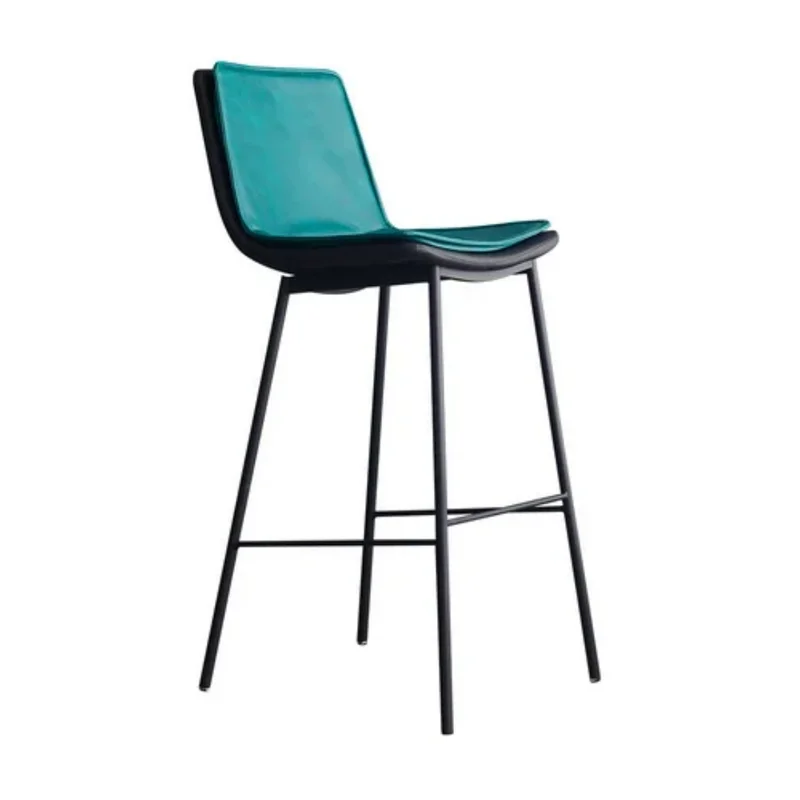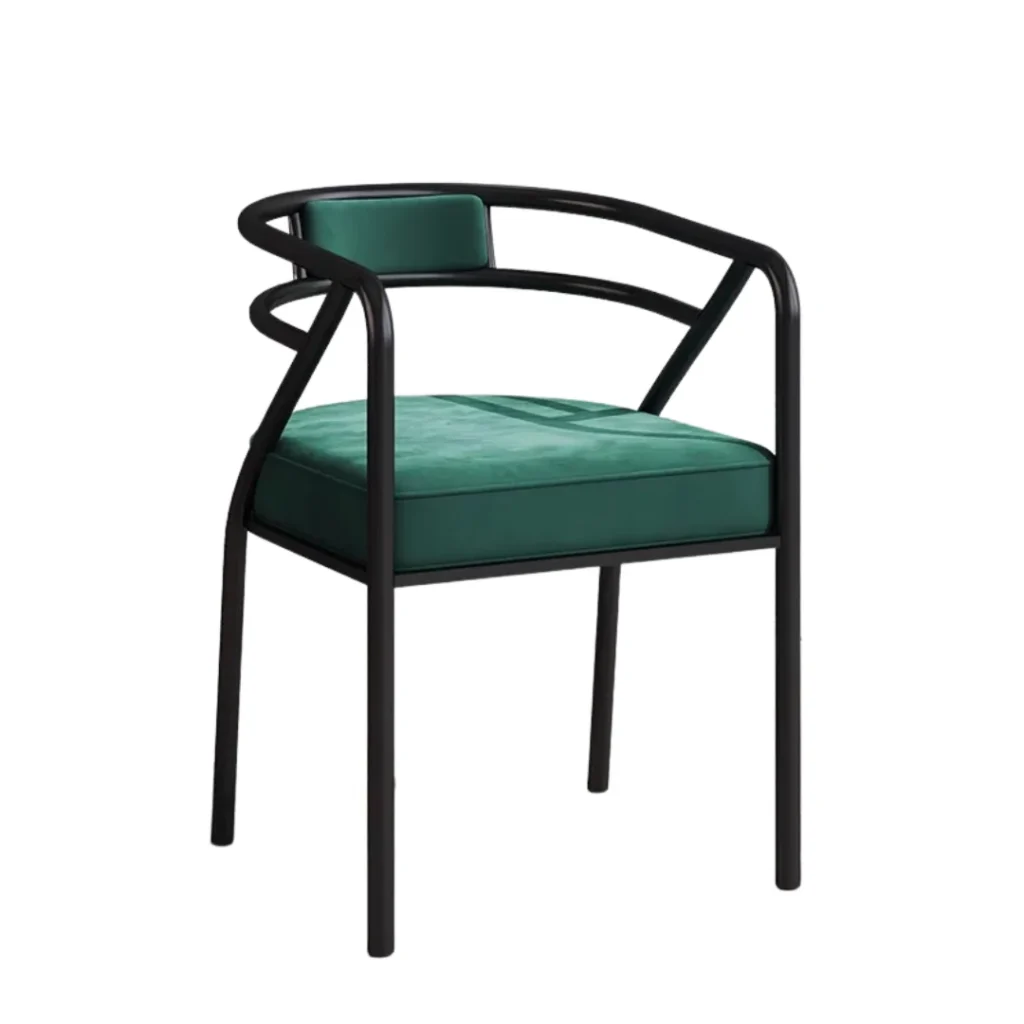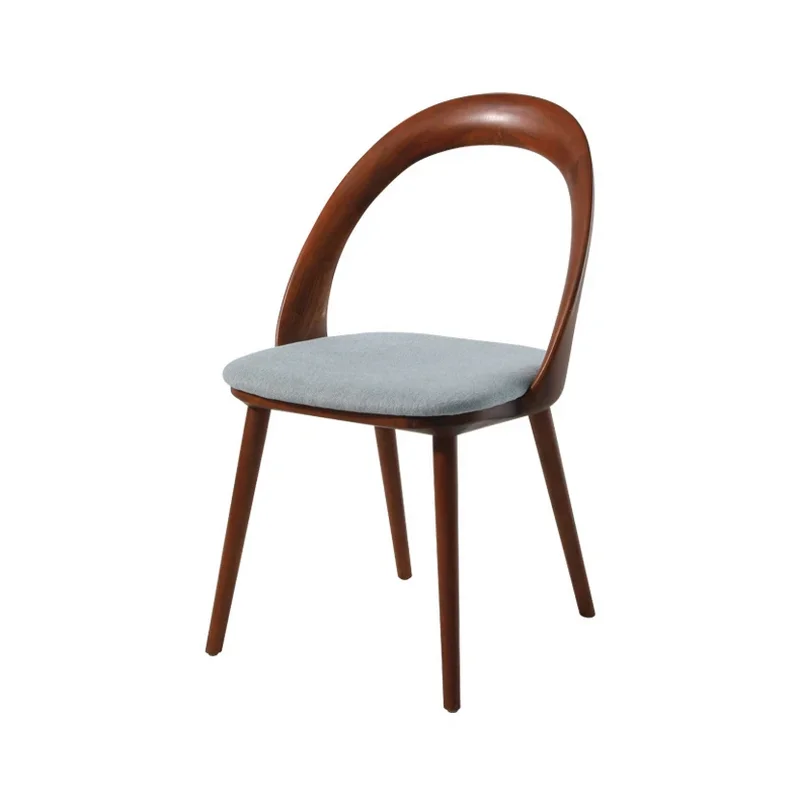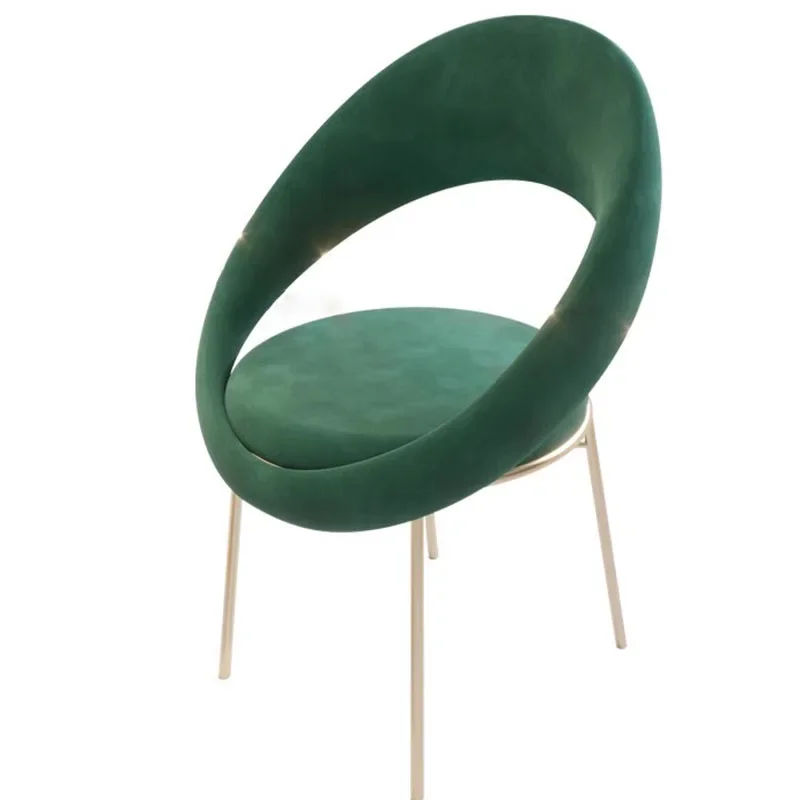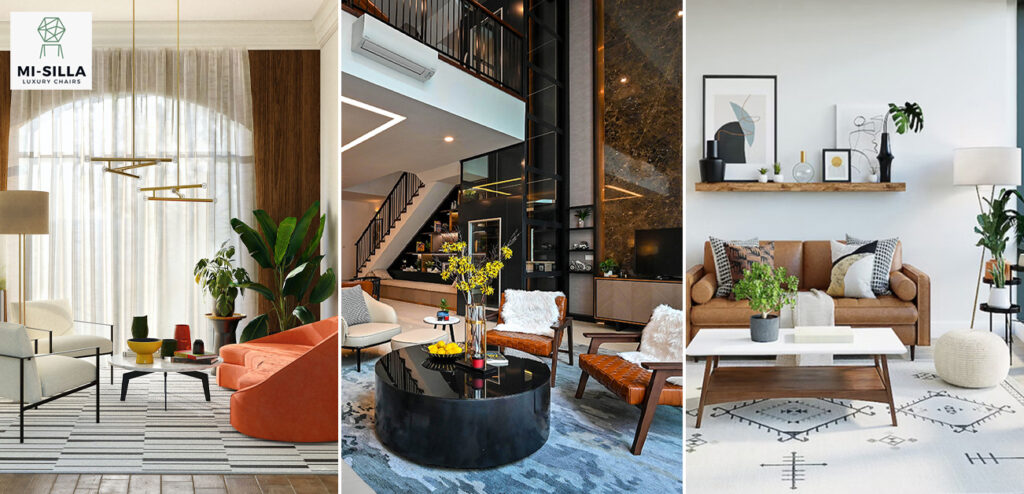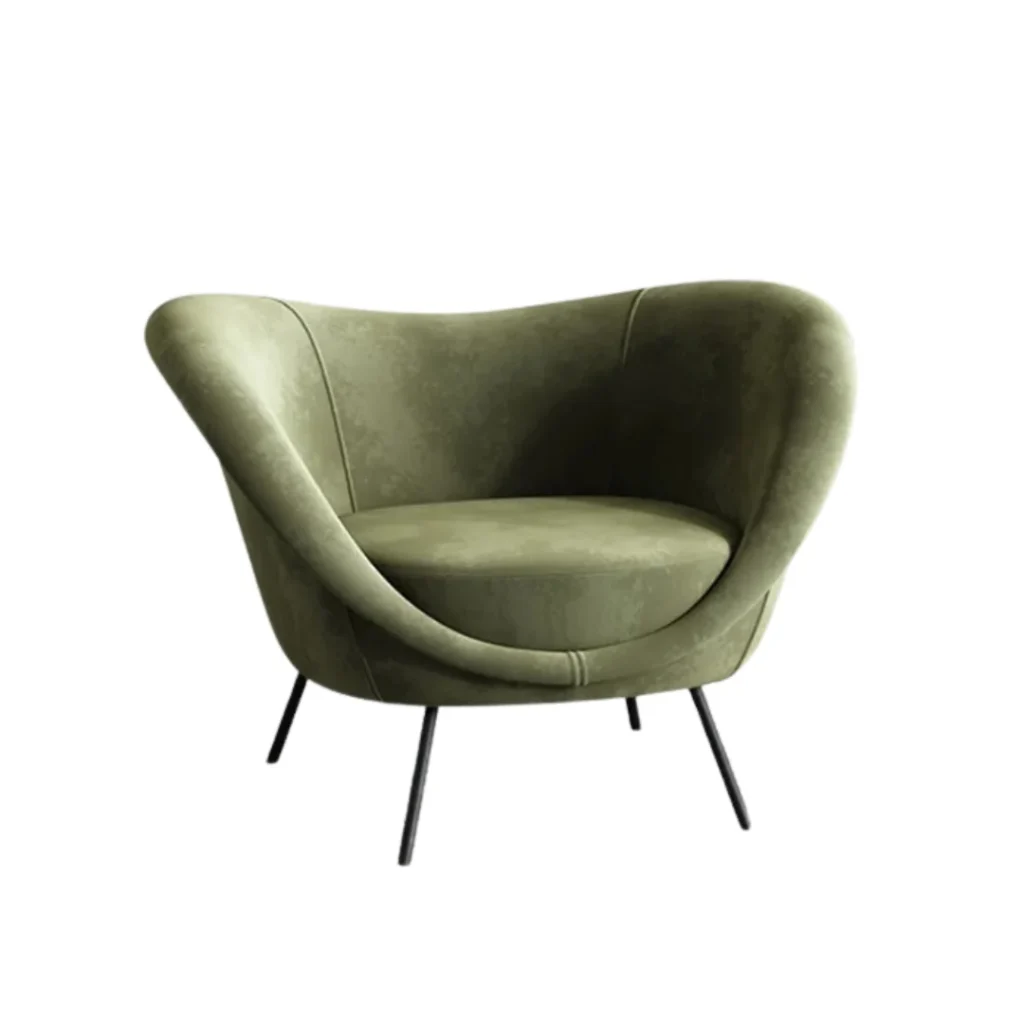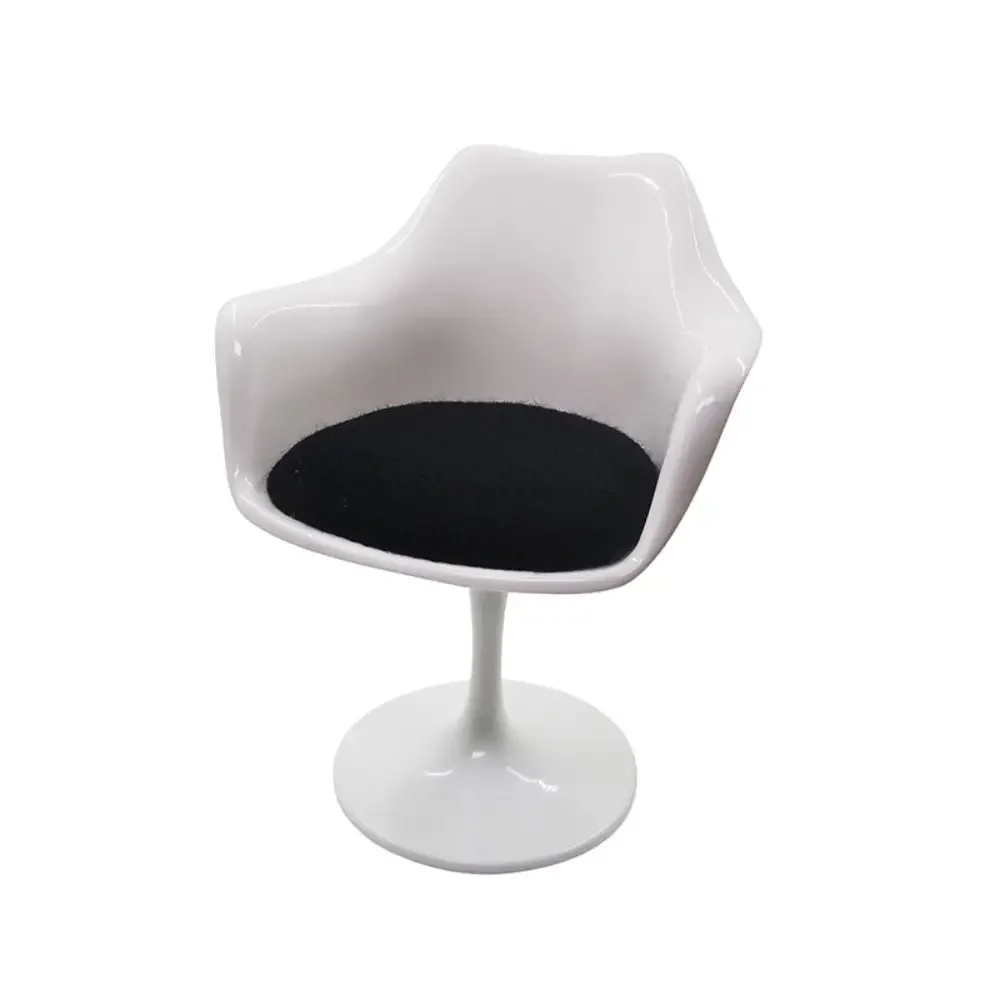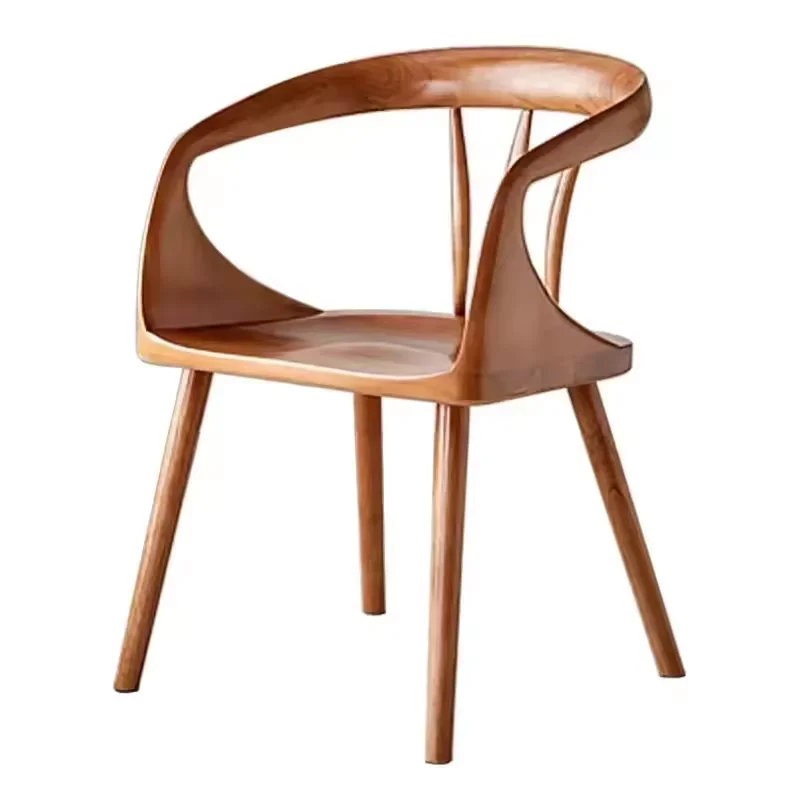
Author Archives: developer

Guide To Choose Custom Upholstery Furniture For Modern House

A Guide to Choosing Custom Upholstered Furniture for a Modern House

Guide To Choose Custom Upholstery Furniture For Modern House

A Guide to Choosing Custom Upholstered Furniture for a Modern House

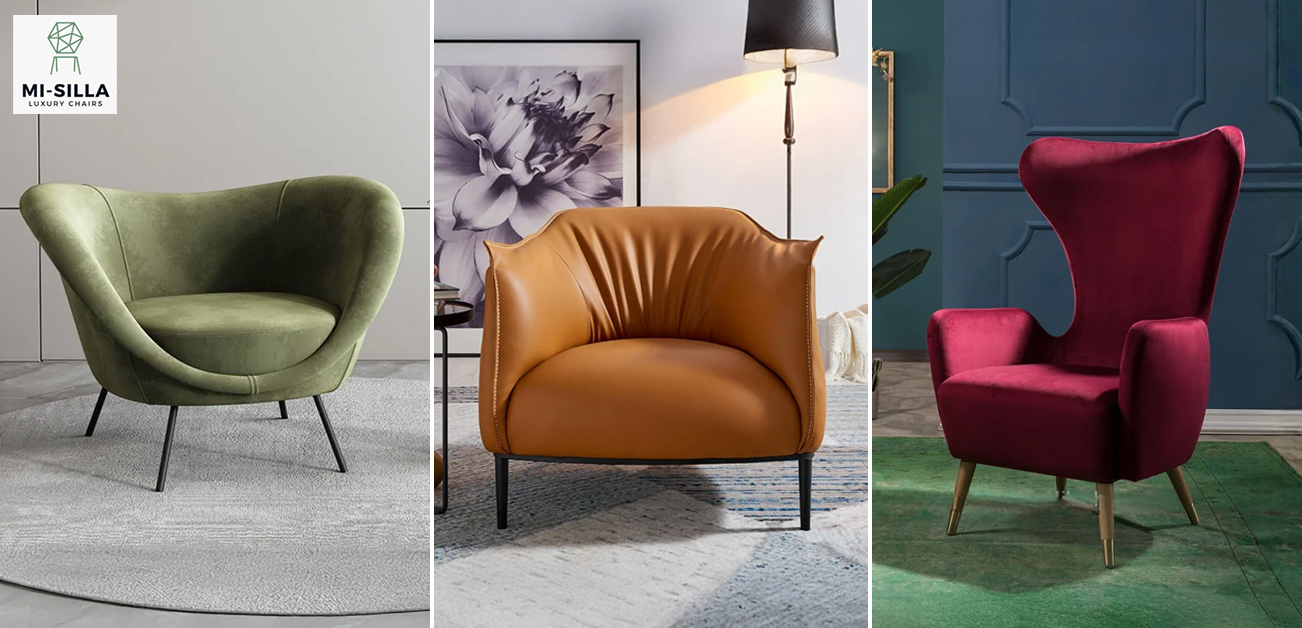
Designing a modern home involves more than just filling rooms with furniture. It’s about how a space feels, functions, and reflects a clear design direction. Custom upholstery is central to that process. It allows seating to feel intentional rather than incidental.

When proportions, fabrics, finishes, and construction details are chosen carefully, upholstered furniture becomes both expressive and functional. It enhances comfort, creates visual balance, and integrates seamlessly with the home’s architecture. Mi Silla is a design-led upholstery studio and manufacturer, creating made-to-order seating for homeowners and the trade-not mass retail furniture.

As contemporary living shifts toward personalization and meaningful design, homeowners want furniture that feels intentional and built to last. Similarly, interior designers and architects look for upholstered pieces with strong shapes, dependable performance, and rich materials. They can anchor a room without overpowering it.

Custom upholstery makes this possible by allowing you to control details, from selecting fabrics and cushioning to choosing stitching, scale, and finish. This guide outlines how to choose upholstered furniture that complements modern architecture, supports everyday living, and aligns with long-term design goals.

Understanding Custom Upholstery in Modern Interiors

Custom upholstery isn’t just choosing a fabric you like. It’s the ability to fine-tune how a piece feels, performs, and fits your space-down to the internal build, proportions, and finishing details.

  • Fabric & color selection: leather vs. velvet vs. performance fabrics vs. bouclé-then decide on a solid, striped, or patterned finish based on your lifestyle (pets/kids), natural light, and the room’s overall palette.
  • Configuration: modular sections, chaise left/right, armless units, corner pieces, apartment-size vs. full-scale proportions.
  • Base & legs: wood species, stain color, metal finish, leg height (also impacts the “lightness” of the silhouette).
  • Performance needs: stain resistance, pet-friendly options, UV resistance for bright rooms, slipcovers for easy care.
  • For trade: COM/COL options, spec sheets, lead times, fire-code requests (when required), project coordination support.

Custom upholstery is not just an aesthetic upgrade; it’s a strategic design choice. In modern interiors, where open layouts and clean lines dominate, upholstered furniture often serves as a visual and functional anchor.

Carefully chosen upholstery enhances a space’s atmosphere. Fabrics respond to natural and artificial light, silhouettes reflect architectural lines, and solid construction ensures the furniture lasts over time.

Custom upholstered sofas, lounge chairs, dining chairs, and accent seating gain character through their texture and tone. Designers often choose materials that balance comfort and durability, such as performance fabrics, textured weaves, bouclé, and high-resilience foam systems These choices support long-term use without compromising visual appeal.

Custom upholstery also helps furniture fit naturally into its surroundings. Instead of picking pieces independently, selections consider flooring, wall finishes, lighting plans, and traffic flow. This results in interiors that feel unified and purposeful.

Beyond function, upholstery impacts emotions. Soft fabrics create cozy, welcoming spaces, structured textiles provide clarity, and rich colors add depth and character. When chosen wisely, upholstered pieces, like premium accent chairs, become essential elements that define the feel of a modern home.

Professional Guidelines for Choosing Custom Upholstery Furniture

Designing a modern interior requires more than instinct. It demands informed decisions that balance style, comfort, and performance, especially with custom furniture.

A Step-by-Step Custom Upholstery Selection Process

  1. Define the use case (daily family use / occasional / hospitality)
  2. Measure + map circulation (walkways, door swings, sightlines)
  3. Choose silhouette + scale first
  4. Pick comfort spec (foam/fill)
  5. Select fabric by performance rating
  6. Confirm details (stitching, piping, legs)
  7. Approve samples + lead time + care plan

What Designers and Architects Should Ask For

  • material specs + rub count / abrasion rating
  • CAD/spec drawings when needed
  • COM guidelines + yardage estimate
  • Installation + delivery constraints (elevators, stairs, site protection)
  • Warranty + commercial options

Here are practical guidelines to help homeowners, designers, and project teams choose custom upholstery that strengthens functionality and architectural intent.

1. Start with a Strong Silhouette

Every successful interior begins with a solid visual foundation. In custom upholstery, the silhouette is crucial. The shape establishes its presence before fabric or color is even considered.

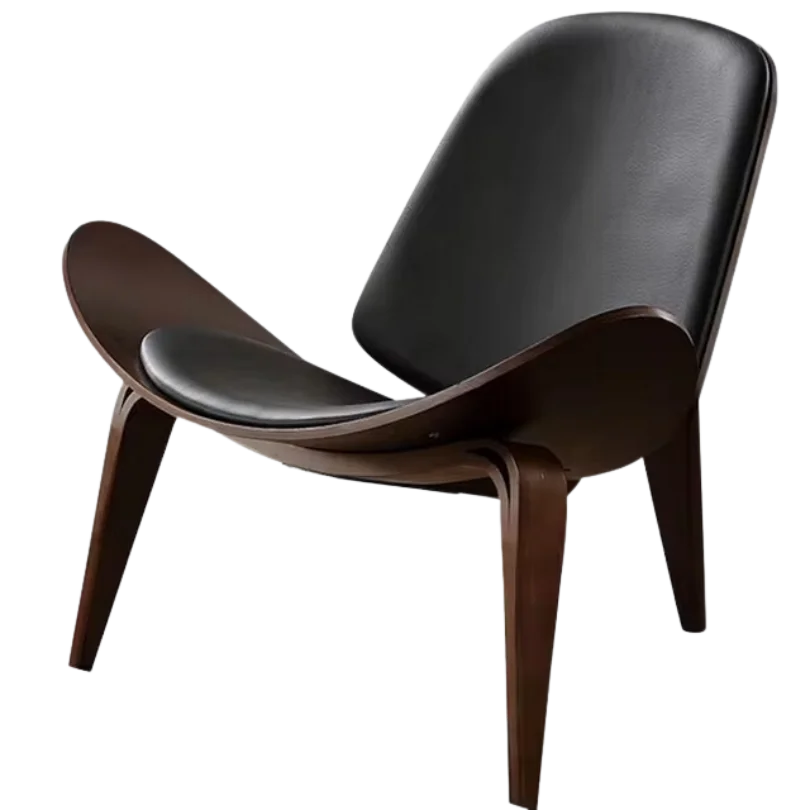
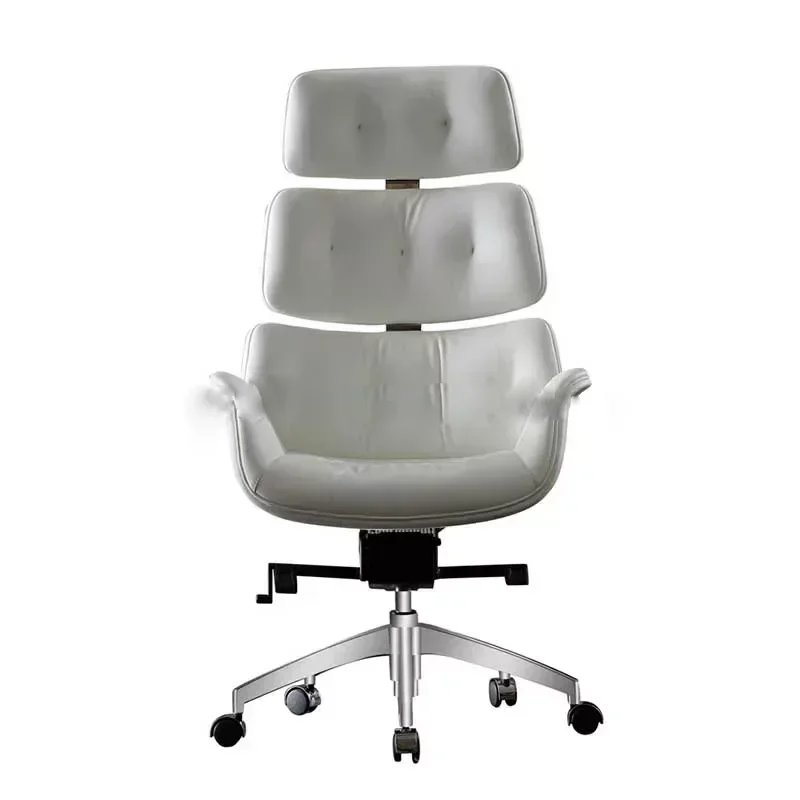
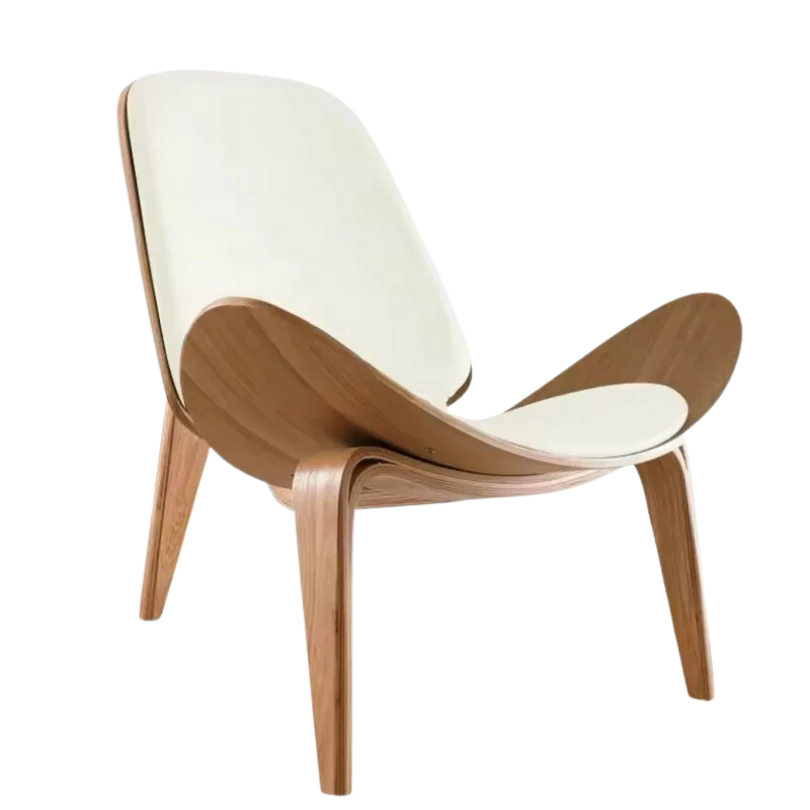
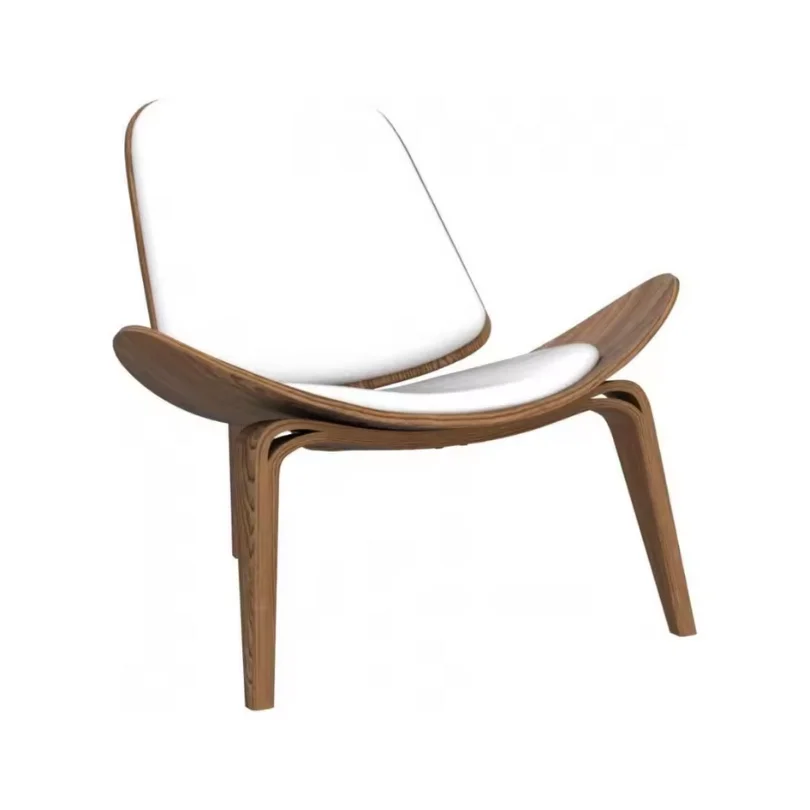
When reviewing upholstered chairs or sofas, look for frames that are balanced and architecturally appealing. Sculpted shapes, such as the Luxury White Shell Lounge Chair, provide visual clarity while ensuring comfort. A well-designed frame remains relevant as fabrics or color schemes change, making it a sound long-term investment.

This approach mirrors how professionals select enduring bedroom or living room furniture-by prioritizing structure and proportion to that age gracefully over time.

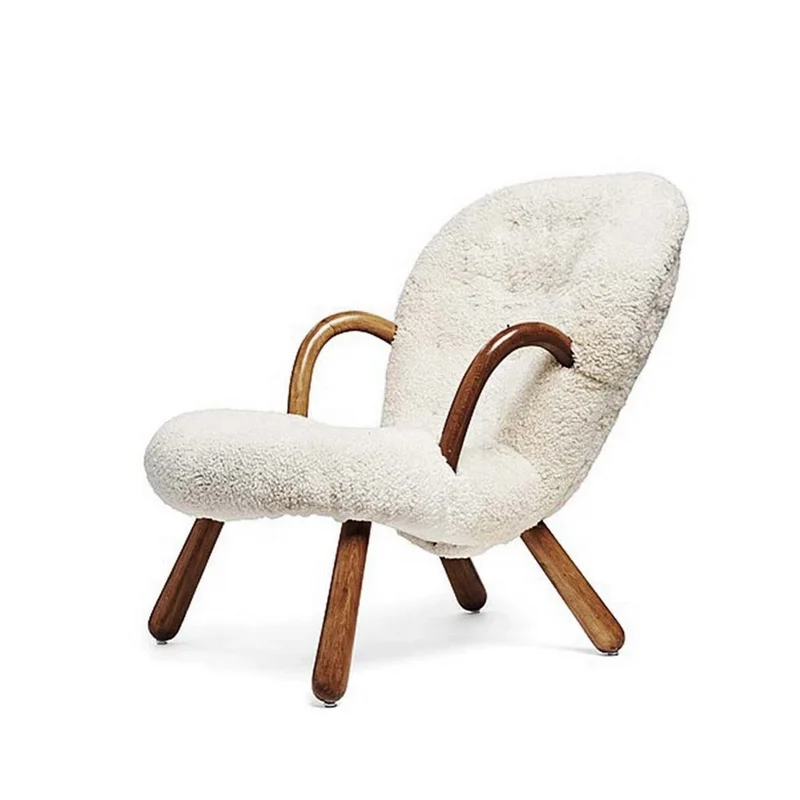
Luxury White Shell Lounge Chair with curved wooden frame and smooth upholstered seat, modern designer chair offering elegant comfort and style.
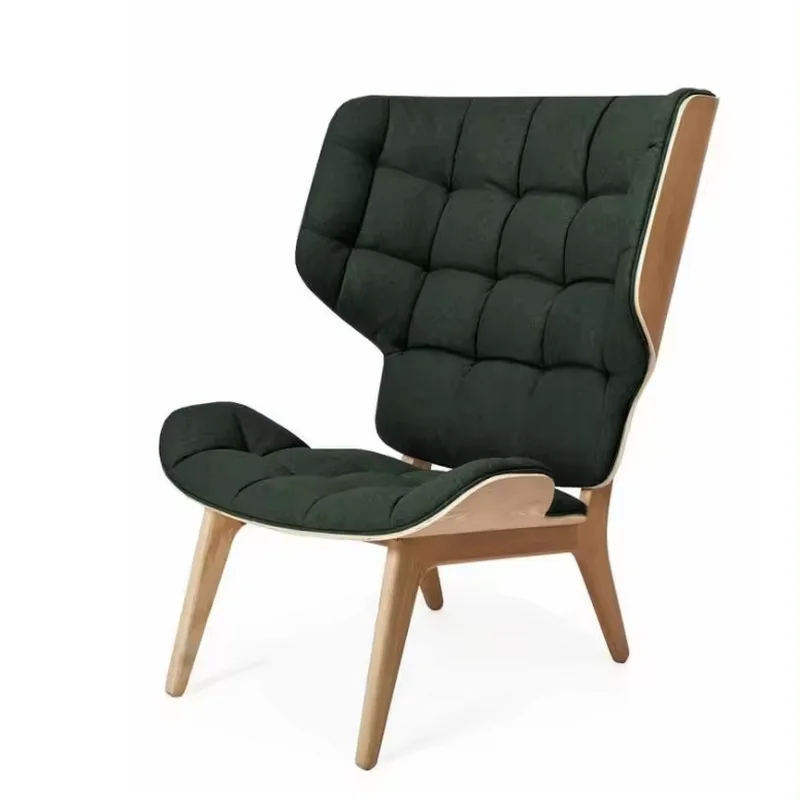
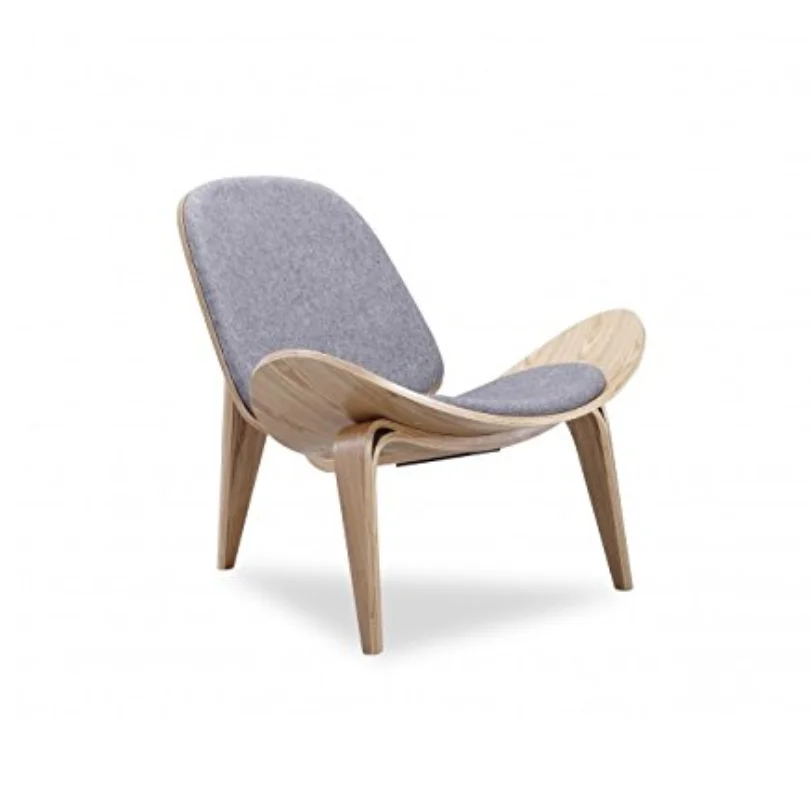
Pastel Fabric Gray Shell Chair with curved wooden frame and soft upholstered seat, modern lounge chair offering comfort and Scandinavian style.

2. Choose Textures That Support the Mood of the Space

Texture significantly affects how a room feels. Designers consider tactile qualities for visual interest and the emotional tone they bring to an interior.

Combining subtle base fabrics with more expressive upholstery, like Pastel Fabric Gray Shell Chair adds depth without clutter. Soft, refined textiles pair nicely with natural wood finishes or matte surfaces, while textured weaves bring movement and warmth.

This balance allows custom upholstery to feel sophisticated without overwhelming the layout, which is essential in modern interiors that value simplicity and clarity.

3. Prioritize Performance for Everyday Living

In residential and commercial settings, upholstery must endure daily use. Performance fabrics let homeowners enjoy comfort without frequent maintenance worries.

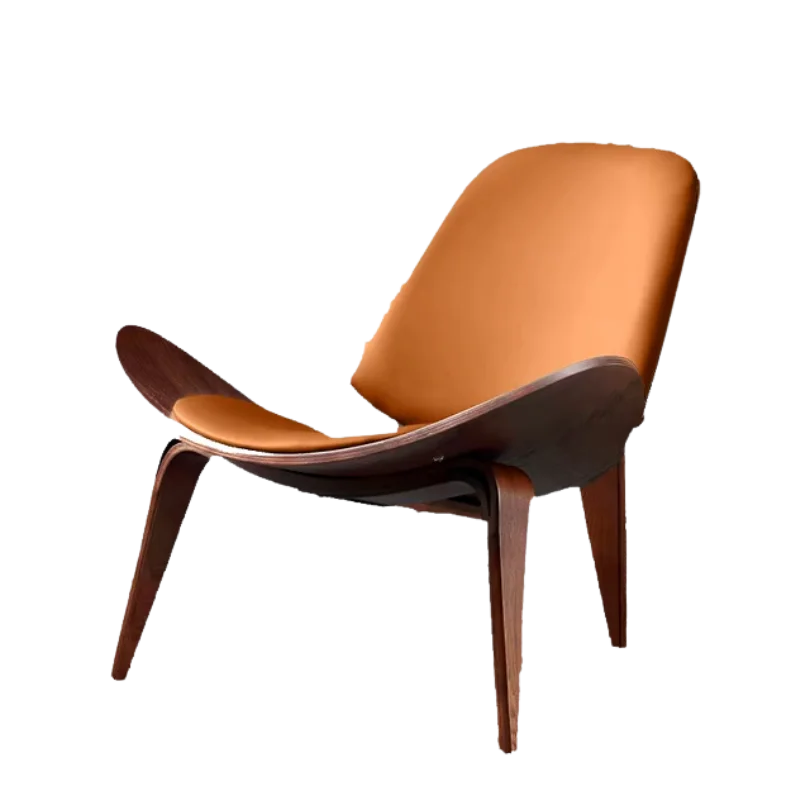
High-quality performance textiles retain their color, texture, and structure over time while resisting wear. This makes them ideal for living rooms, lounges, and high traffic seating areas. For designers, specifying durable upholstery, like Sol Shell Lounge Chair builds trust and ensures that spaces stay beautiful and functional long after installation.

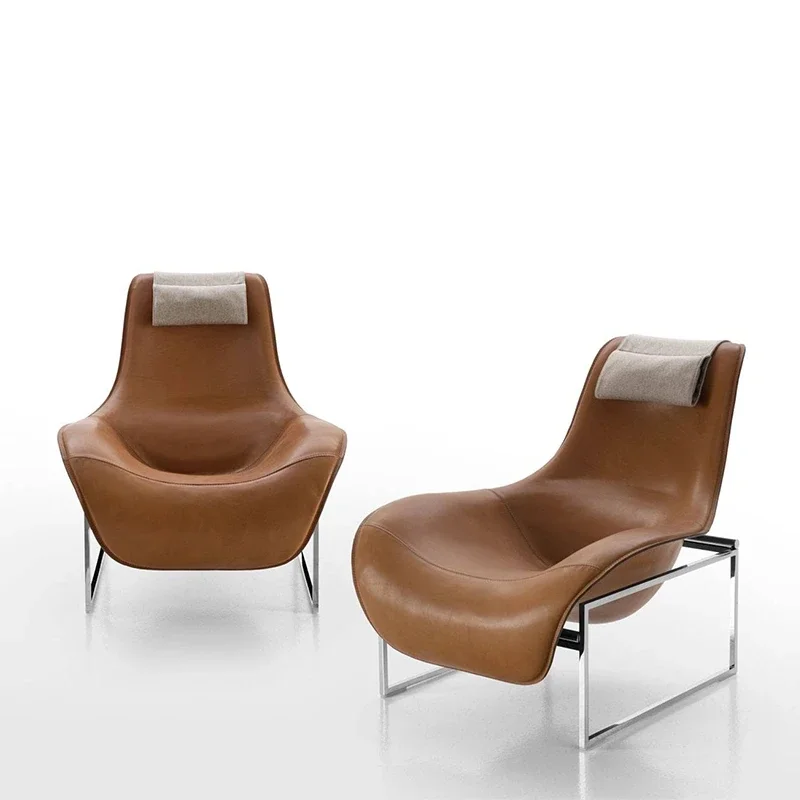
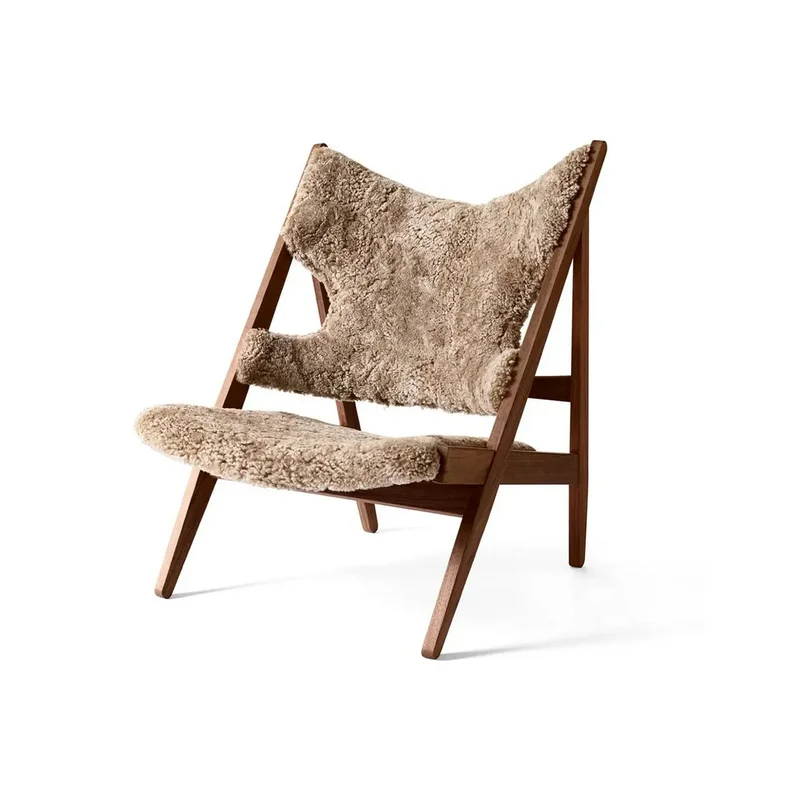
Sol Shell Lounge Chair with plush brown upholstery and sculpted shell design, modern lounge seating offering deep comfort and refined style.
Luxury Ski Shell Chair with curved wooden shell and white upholstered seat, modern designer lounge chair blending elegance, comfort, and style.

4. Maintain Proportion and Visual Balance

Proportion is one of the most important yet often overlooked aspects of choosing upholstery. Furniture should support the scale of the room, not compete with it.

Well-proportioned upholstered seating helps keep smaller spaces open and larger ones structured.  Clean lines, appropriate seat depth, and balanced back heights contribute to layouts that feel intentional rather than crowded.

When proportion is handled well, furniture enhances flow and comfort while reinforcing the overall rhythm of the space.

5. Introduce Sculptural Accent Pieces Thoughtfully

A single sculptural upholstered piece can elevate an entire interior. Accent chairs with unique shapes or materials add dimension and personality without the need for excessive décor.

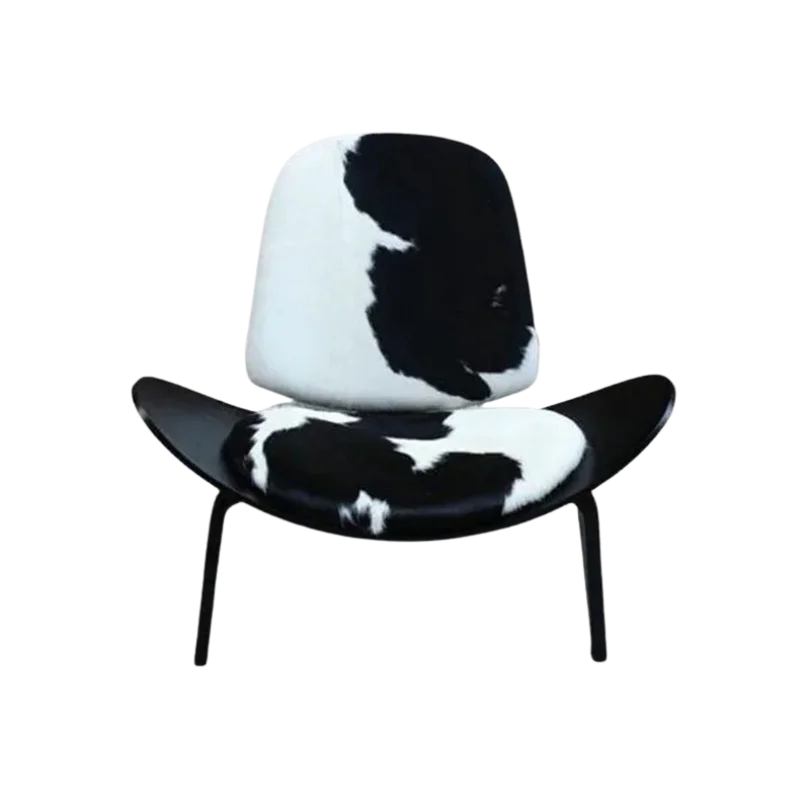
Textural contrasts, like pairing smooth upholstery with organic patterns, generate visual interest while maintaining a refined look. When used carefully, sculptural seating, for instance Cowhide Chic Shell Lounge Chair becomes a focal point that anchors the room’s design story.

Cowhide Chic Shell Lounge Chair with black and white cowhide upholstery, curved shell seat and sleek modern metal legs
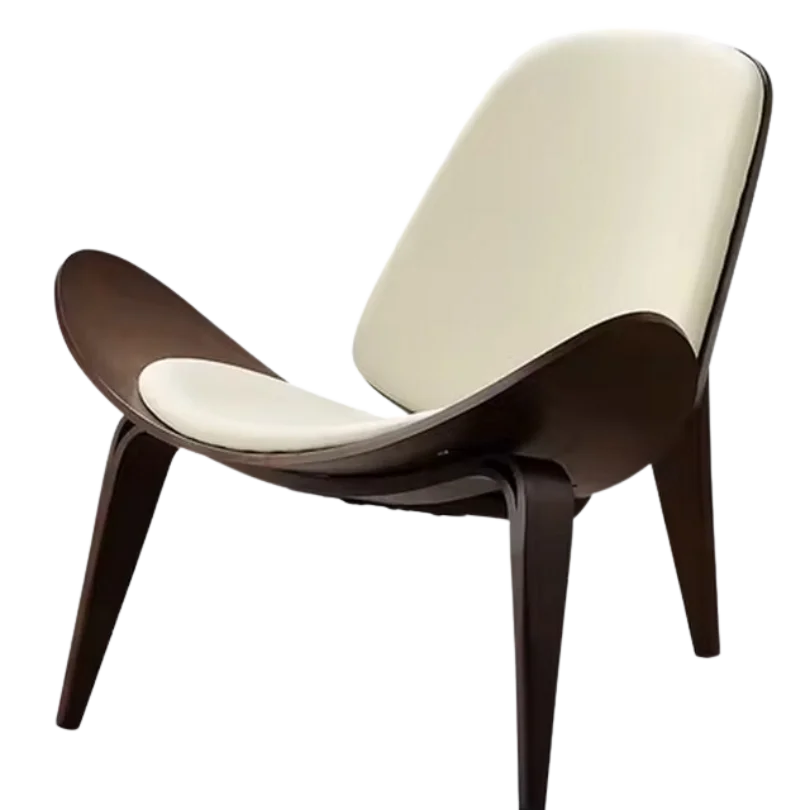
Naranja Shell Lounge Chair with warm orange leather upholstery, curved shell seat, and elegant wooden legs for modern luxury interiors

6. Use Warm and Cool Tones to Create Depth

Color temperature affects how a space is perceived. Pairing warm upholstery tones with cooler neutrals generates balance and visual depth.

Earthy shades offer warmth and comfort, while cooler accents add contrast and clarity. Thoughtful tonal layering results in interiors that feel composed and deliberate rather than flat. This approach aligns with modern color theory, where balance and restraint create lasting appeal.

7. Establish a Clear Visual Anchor

In open or multi-use spaces, a well-selected upholstered piece can guide layout and movement. A chair or sofa with a calm, confident presence organizes seating zones and creates natural focal points.

Anchoring the layout this way allows lighting, tables, and accessories to fit in more easily, resulting in interiors that feel structured yet relaxed.

Nostalgic Black White Hotel Shell Lounge Chair with houndstooth fabric seat, curved shell design and sleek black wooden legs
Luxury Black and Leche Hotel Shell Lounge Chair with elegant two tone upholstery, sculpted shell design, and refined wooden legs

8. Choose Craftsmanship Designed to Last

Custom upholstery should be built for durability. In high-use environments, quality construction is as important as appearance.

Well-made frames, robust cushioning, and carefully finished seams indicate attention to detail and long-term value. Furniture that ages gracefully reinforces confidence in both residential and commercial projects. This level of craftsmanship also allows pieces to look great with materials like stone, metal, and hardwood, supporting various design styles.

Designing with Intent Through Custom Upholstery

Custom upholstery becomes transformative when chosen with purpose. Each silhouette, fabric, and finish influences how a space functions and how it feels to live in.

At Mi Silla, we focus on customization, architectural harmony, and long-term performance in upholstered furniture. We collaborate closely with homeowners, interior designers, and project teams to ensure every piece aligns with the overall design vision. From sculptural accent seating to clean, modern upholstered designs, our collections aim to support daily living while maintaining refined aesthetics.

As a design partner, Mi Silla provides guidance, customization, and project support, helping turn ideas into furniture that feels made for its space.

Explore our bespoke upholstery collection and see how thoughtful design can add comfort, character, and lasting value to modern interiors.

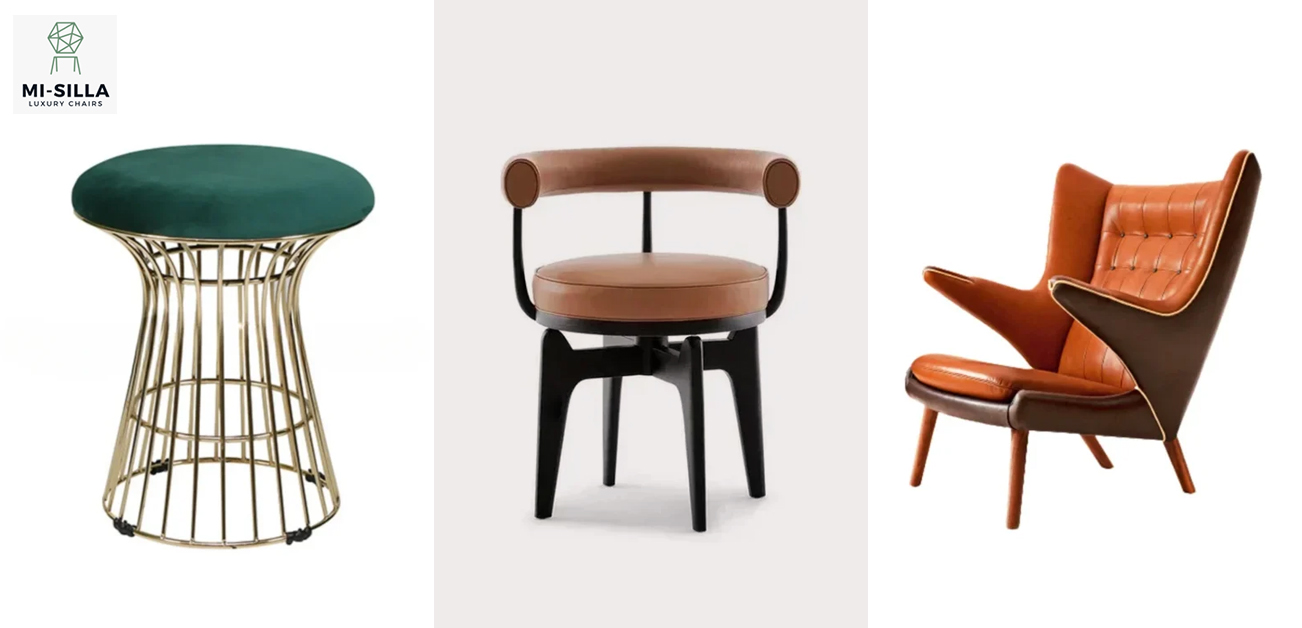
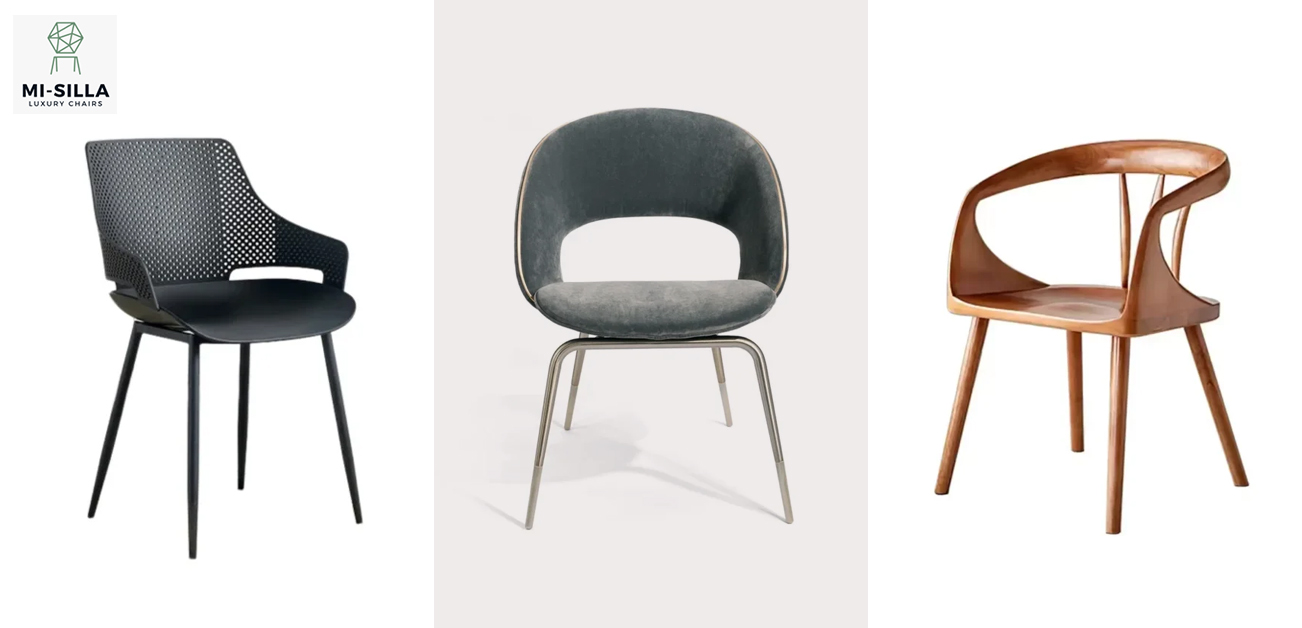
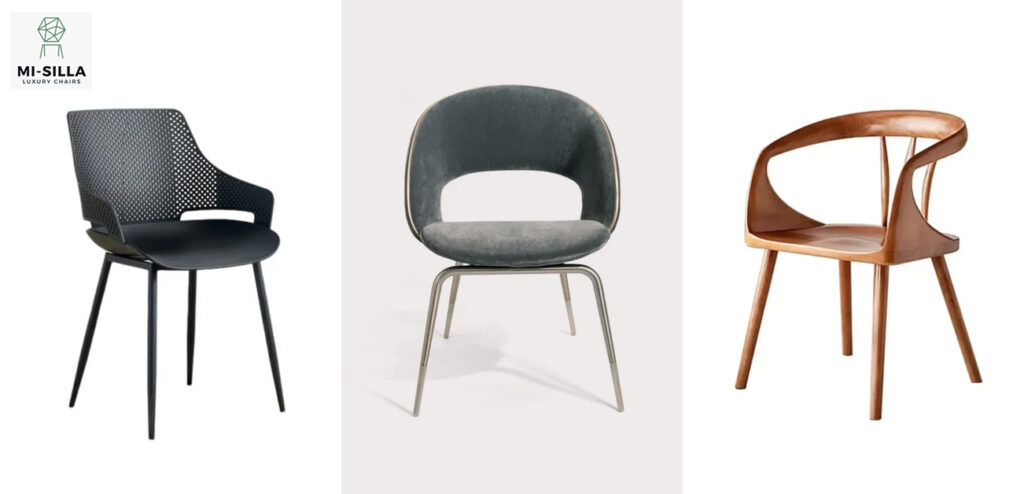
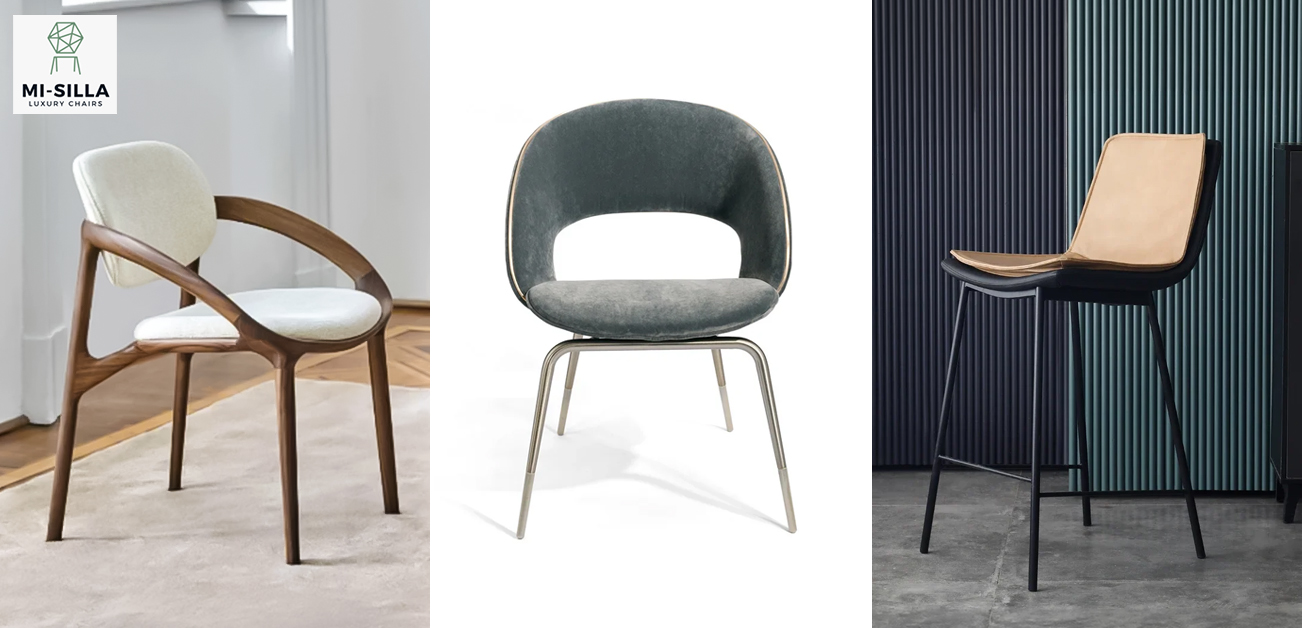
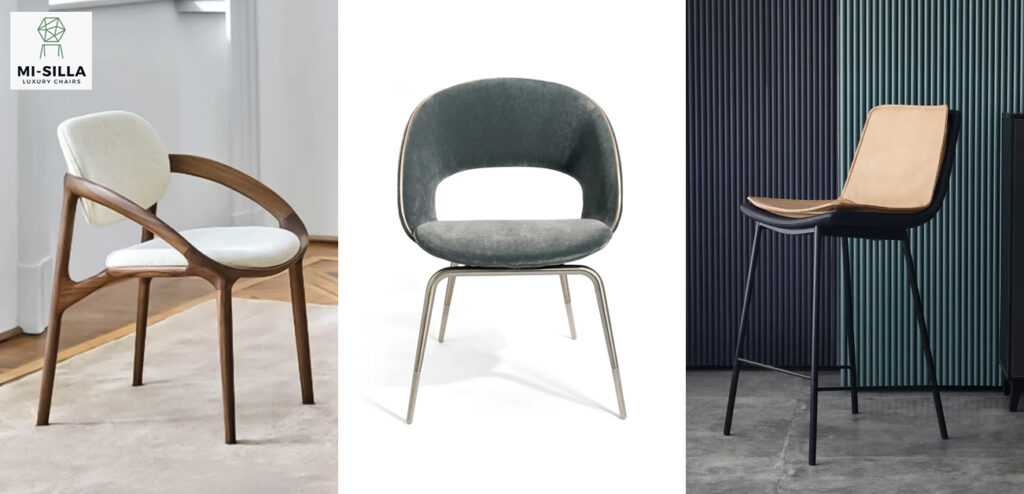
Modern designer chairs displayed side by side, featuring upholstered seating, sculptural wood, plush velvet, and sleek metal frames.

Give Your Home a Thoughtful Refresh with Distinct Furniture Design Styles

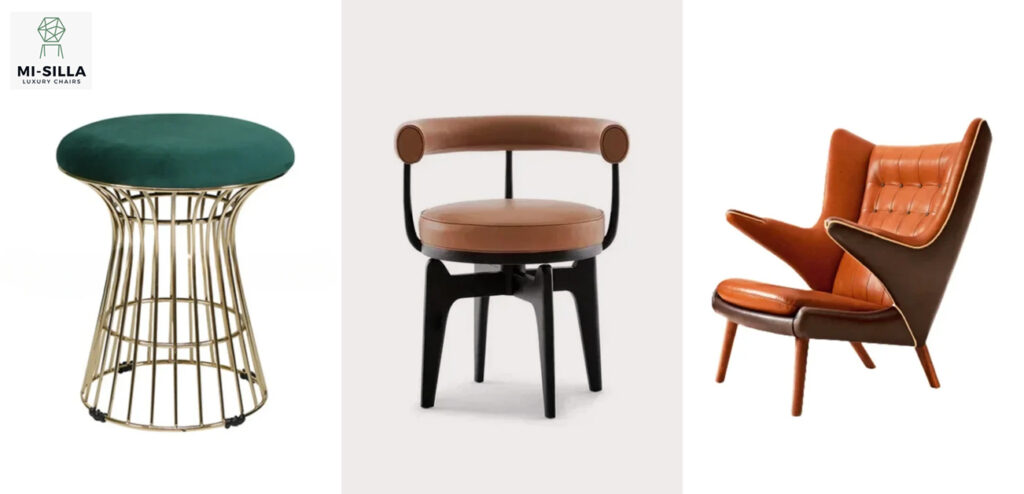
Modern designer chairs displayed side by side, featuring upholstered seating, sculptural wood, plush velvet, and sleek metal frames.

Give Your Home a Thoughtful Refresh with Distinct Furniture Design Styles

Designing an elegant interior involves more than just picking individual pieces. It’s about crafting a space that feels cohesive, intentional, and reflective of how you live in it.

For trade professionals, it also supports smoother spec’ing-aligning finishes, performance needs, lead times, and budget without compromising the design intent.

With so many furniture design styles to choose from today, turning inspiration into a balanced interior can be overwhelming, particularly in high-end residential or commercial projects.

A solid grasp of different furniture design styles helps both professionals and homeowners make confident choices. The goal is to balance aesthetics, comfort, and function – without compromising on quality.

For homeowners, it helps you invest with confidence; for designers and contractors, it streamlines sourcing and keeps the project cohesive from concept to install.

Whether you’re an interior designer defining a project’s identity or a homeowner planning a long-term refresh, this guide looks at refined furniture styles shaped by architecture, materials, and proportions. Read on for tips on how to choose the right design language to bring clarity to your space.

What Defines a Distinct Furniture Style?

A furniture style starts with a point of view. It’s how form, material, and craftsmanship come together to express a specific design approach. Designers rely on that clarity to create a cohesive visual story.

Knowing the differences between furniture styles helps you pull rooms together that feel balanced, modern, and personal instead of cluttered with unrelated elements.

Each piece communicates its identity through visual cues. Clean-lined solid wood dining tables often point to a contemporary style, while sculpted chair frames with soft curves suggest a more European-inspired or transitional look. Over time, you’ll recognize how proportion, silhouette, and details define a style.

Features like arched backrests, tapered legs, floating tabletops, or marble-accented bases can instantly elevate a room. The choice of materials adds to the overall story. Woods like oak, ash, and engineered hardwoods bring warmth and grounding, while metal accents add refinement and contrast. Upholstery choices add warmth and character, whether through textured fabrics or rich leather tones.

Customization is where style becomes personal: choose fabric or leather, adjust color and finish, and tailor dimensions so each piece fits the space-not the other way around.

Build quality also matters High-end interiors require furniture that balances durability with elegance. Seamless joints, hand-finished surfaces, and well-crafted frames show careful workmanship that’s built to last.

In commercial and hospitality settings, durable frames, performance upholstery options, and consistent finishes are key to long-term wear and client satisfaction.

Ultimately, a furniture style feels distinct when every detail has a purpose. When form, material, and construction work together, the space gains clarity and confidence, making it easier to explore different furniture design styles with intention.

How to Select the Right Furniture Style for Your Home’s Aesthetic?

The furniture style you choose impacts how your home feels from the moment you step inside. It’s about more than trends, the relationship between form, proportion, and material shapes the experience of the space.

Once you identify the atmosphere you want to create – calm, expressive, modern, or timeless – choosing furniture becomes easier. The following considerations can help ensure your interior aligns with both function and personal style.

1. Start with the Architectural Styleof the Space

Your home’s architecture offers guidance. Clean, modern layouts pair well with dining chairs like rounded-back dining chairs, minimalist profiles, and metal-legged seating. Traditional or transitional homes often benefit from sculpted silhouettes and richer textures.

Aligning furniture with architectural intent helps narrow down the styles that feel most fitting within the space.

2. Prioritize Function Before Visual Expression

Function is the foundation of good design. High-use spaces need durable, ergonomic seating and carefully designed storage. Once functionality is covered, the style choices come easier.

Look at curves, edges, and proportions helps identify furniture styles that balance performance with aesthetic appeal – an essential consideration in both residential and commercial settings.

For projects, prioritize performance fabrics/leather, cleanability, and warranty coverage – especially in high-traffic environments.

3. Use Materials and Finishes to set the direction

Materials affect mood and perception. Warm wood tones add grounding, stone surfaces feel elevated, and upholstered textures soften the visual field.

For instance, pairing a sculptural wood table with contemporary seating creates contrast without visual clutter. This process guides you toward furniture styles that match your taste and the project’s goals.

For designers, requesting finish samples and confirming consistency across batches helps avoid surprises during installation.

4. Let Scale and Proportion Guide Decisions

Scale affects how furniture fits within the space. Open layouts benefit from generous dining tables or wide-back accent chairs, while compact rooms call for lighter silhouettes and slimmer designs.

Think about traffic flow, lighting, and focal points into account helps identify furniture types and styles that enhance the room without overwhelming it.

In commercial spaces, consider traffic patterns, clearance, and durability requirements before locking the final silhouettes.

5. Build Cohesion Through Repetition and Contrast

Cohesion arises when subtle design elements – like arched forms, tapered legs, or consistent textures – repeat throughout a space. Contrast, introduced through materials or accent pieces, keeps the space visually interesting.

Many designers mix modern and transitional influences to create layered yet intentional interiors. The key is to make sure every choice supports a unified design language.

Room-by-Room Furniture Design Styles That Elevate the Home

Each room benefits from a distinct design approach while staying connected to the overall aesthetic. Thoughtful furniture choices shape how spaces function, feel, and flow together.

1. Living Room

Modern minimalism brings clarity and calm to living spaces. This approach also works beautifully in boutique hotel lounges and model homes where calm, sculptural pieces elevate the experience.

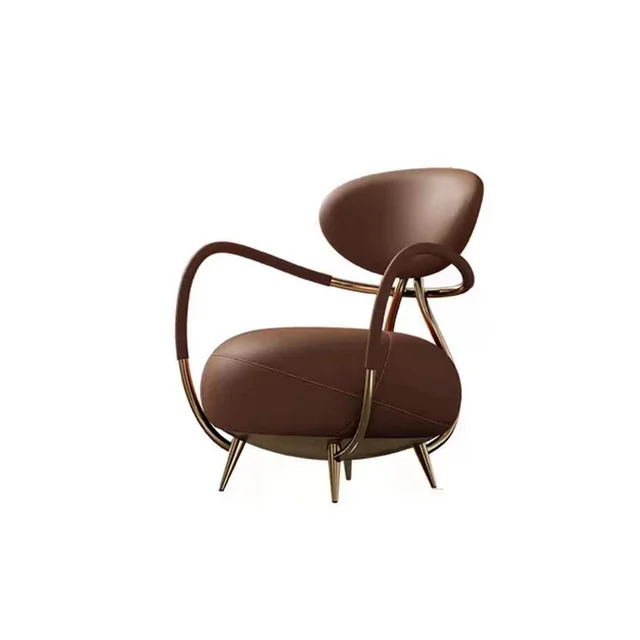
A sculptural armchair, like the Litho Armchair, with soft curves can anchor the room while keeping the room feeling open. Balanced shapes encourage conversation and visual harmony, setting the tone for the rest of the space.

Litho Armchair featuring a sculptural modern design with plush brown upholstery, curved armrests, and a bold contemporary silhouette for luxury interiors
Molly Chair Armchair with elegant curved wooden frame, upholstered seat and backrest, offering a refined modern design for dining or living spaces

2. Dining Room

The dining room thrives when comfort meets structure. For restaurants or multi-family amenity spaces, prioritize supportive seating, stain-resistant options, and easy-care materials. Upholstered dining chairs, like Molly Chair Armchair with gentle curves and supportive designs make everyday meals more comfortable while keeping a clean, modern look. Material and color choices should reflect the broader furniture style for consistency and warmth.

3. Entryway

The entryway sets the tone for the home. In lobbies and reception areas, one signature chair can establish the design language while staying practical for daily use. A statement chair, such as, the Maia Armchair, with a strong presence makes a strong first impression while establishing the design language early. Well-crafted forms allow flexibility in mixing materials without breaking cohesion.

Maia Armchair with a rounded contemporary silhouette, vertical textured upholstery, and a sleek swivel base, ideal for modern living spaces
Brno Flat Bar Side Chair featuring a sleek cantilever steel frame, black leather upholstery, and minimalist modern design for offices or dining spaces

4. Study

A home office needs structure and balance for offices and project spaces, clean lines and ergonomic comfort matter just as much as the visual statement. Chairs with clean lines and supportive designs, like Brno Flat Bar Side Chair support focus and pair well with shelving, lighting, and work surfaces. Furniture choices here should strengthen both function and quiet sophistication.

5. Playroom

A well-designed playroom balances creativity with durability. In family homes and kid-friendly commercial zones, choose rounded forms, durable upholstery, and easy-to-clean finishes. Soft, playful shapes and color accents, similar to Snail Design Flannel Colorful Stool add a pop of personality without overwhelming the space. Thoughtful furniture selections let playful design coexist with practical, kid-safe storage.

Snail Design Flannel Colorful Stool featuring a playful sculptural form, soft textured upholstery, quirky legs, and a whimsical modern accent design

Transform Your Home with Timeless Design

Whether you’re designing a home or a commercial space, Mi Silla recognizes the importance of furniture that balances craftsmanship, longevity, and design clarity. Every room has a point of view, and the furniture you choose influences how that story unfolds through proportion, material, and presence.

Our approach helps designers and homeowners navigate different furniture styles with confidence, making sure each piece fits the architecture and lifestyle needs. From clean modern forms to sculptural accents, our collections support evolving spaces while honoring classic principles of balance and restraint.

Trade professionals can also request swatches, finish samples, and project support for specifying custom sizes, materials, and lead times.

If you’re ready to create interiors that feel thoughtful, cohesive, and lasting, browse our curated collections and bring your next design vision to life with Mi Silla.

Three modern coffee tables featuring wood and metal designs, including a tray table, a compact side table, and a round storage table.

How To Choose A Coffee Table: The Ultimate Guide

Modern coffee and side tables displayed together, featuring wood, metal, and leather finishes with minimalist, functional designs.

How To Choose A Coffee Table: The Ultimate Guide

Choosing the right coffee table is a key step in creating a well-designed space. More than just a functional surface, a coffee table anchors the seating area, complements the sofa, and connects different elements in a room. When chosen carefully, it strikes a balance between style and function while improving the overall flow of the interior.

With so many types of coffee tables to choose from, including different materials, shapes, finishes, and sizes, the decision can be daunting. Each aspect affects how a table interacts with light, movement, and the overall atmosphere of a space.

For interior designers, architects, and project managers working on high-end residential or commercial projects, understanding these details is crucial. A well-chosen coffee table shows intent, enhances the design story, and supports daily use along with long-lasting durability.

For project teams, it also simplifies specification-confirming dimensions, finishes, lead times, and durability requirements before purchase.

In this guide, we will look at how to choose a coffee table that enhances living rooms, lounges, and shared spaces while fitting seamlessly with your design vision.

Understanding the Role of a Coffee Table in Refined Interiors

A coffee table serves both functional and visual purposes in interior design. It creates a natural gathering point, supports everyday use, and balances the visual weight of sofas and lounge chairs. It also helps define movement within the space, keeping it from feeling either too open or too tight.

Design professionals often look at the coffee table as part of a bigger seating arrangement. Its shape influences how a space feels:

  • Round and oval tables soften angular designs and encourage smooth movement.
  • Rectangular and square tables emphasize symmetry and order.
  • Sculptural bases add visual interest without dominating the space.

Always let purpose guide your choice. If the space is meant for entertaining, a larger surface that can hold décor, trays, and daily items may be best. For simpler lifestyles, a compact design keeps the area clear and uncluttered. In refined interiors, function follows design intent, not the other way around.

Follow a Coffee Table Size and Proportion Formula

Proportion is key to confident design. Instead of relying on gut instinct alone, professionals use established spatial guidelines to ensure visual balance and comfort.

Height:

Ideally, a coffee table should match the height of the sofa seat or be within about 2 inches above or below it. This ensures comfortable reach and visual harmony.

Length:

As a rule of thumb, the table should be about two-thirds the length of the sofa. This ratio anchors the seating area without overwhelming it.

Clearance:

Having enough open space around the table is just as important as the table itself. Leave enough room for easy movement, while avoiding gaps that make the table feel disconnected from the seating.

Shape and Sofa Pairing:

  • Deep, plush sofas often pair well with round tables.
  • Sleek, architectural sofas look good with clean lines and slim profiles.

Following these principles helps you confidently pick coffee tables that work well with sofas, creating an intentional, balanced, and refined look.

In commercial settings, keep ADA/traffic flow and cleaning access in mind when finalizing clearances.

Explore Coffee Table Features That Align with Your Aesthetic

Choosing the right coffee table means finding a good match between form, function, and materials. Understanding the types of coffee tables available opens creative options while ensuring they fit with the surrounding design.

Anchor Your Design with Materiality

The choice of material defines the character of a room:

  • Wooden coffee tables add warmth, texture, and lasting appeal.
  • Stone and marble surfaces feel elegant and grounded.
  • Glass tables enhance a sense of lightness and transparency.
  • Metal details add structure and a modern touch.

At Mi Silla, we choose materials not just for appearance, but for their durability and long-term performance, especially important in busy residential and commercial spaces.

For hospitality and multi-unit projects, prioritize scratch resistance, stain resistance, and easy-care finishes.

Form Shapes Emotion

The design of a coffee table influences how a room feels:

  • Round shapes soften a space and feel inviting.
  • Linear profiles create order and structure.
  • Sculptural designs turn the table into a focal piece.
  • The form should complement, not clash with, the other furniture in the room.

The Power of Proportion

Scale dictates visual harmony. The relationship between the coffee table, seating, rugs, and lighting affects how smoothly the space flows. Good proportion enhances comfort while keeping the look clean.

Purpose Meets Refinement

A coffee table should handle everyday use without losing elegance. Whether for display, storage, or daily needs, well-designed tables integrate function into refined designs. Multi-layered and modular styles hide functionality within sophisticated silhouettes.

Texture, Finish, and Color Integration

Finishes subtly affect the mood:

  • Matte surfaces provide understated elegance.
  • Polished finishes bring light and reflections.
  • Mixed materials add layered visual interest.

Color choices reinforce the overall design. Bold colors and rich textures can be striking focal points, while neutral tones ground the space and enhance its longevity.

Purposeful Styling

A coffee table should feel like a natural addition to the seating area, coordinating with rugs, lighting, and décor. The aim is to create a cohesive look without making everything uniform, so the space feels curated, not overdone.

Professional Design Guidance: How to Pick the Perfect Coffee Table

Taking a professional approach to selection leads to confident, long-lasting results. Here are some insights for architects, interior designers, and project managers, while remaining useful for homeowners seeking clarity.

1. Prioritize Lifestyle Before Aesthetics

Function should drive form. In busy areas, sturdy designs with built-in storage, like Wooden Drawer Modern Coffee Table, offer practicality without losing style. Minimalist projects work well with sleek surfaces that maintain visual calm.

Wooden Drawer Modern Coffee Table with brushed metal base, sleek round top, and minimalist design placed in a contemporary living room setting.
Modern Tempered Glass Top Coffee Table with sculptural black pedestal base and organic-shaped glass surface for contemporary interiors.

2. Respond to Architectural Context

Room dimensions, ceiling height, and layout are crucial. In tight spaces, light-reflective designs, such as Modern Tempered Glass Top Coffee Table, reduce visual weight. In larger areas, solid tables provide presence and balance against architectural features.

3. Connect Wood Tone and Color to Your Living Room’s Palette

A coffee table should do more than match the sofa-it should tie the living room together through wood tone, finish, and color balance. Warm woods can soften cool spaces and make neutrals feel inviting, while darker stains add contrast and anchor lighter upholstery. If your living room has mixed materials (metal, stone, textured fabrics), choose a table finish that either echoes an existing tone or intentionally adds one clean, controlled contrast. The result should feel cohesive, not “matched”.

The UFO Coffee Table is a playful, sculptural statement that still works as a palette-connector. Its bold form draws the eye, while the right wood tone and finish can either blend into a calm, tonal scheme or create a deliberate contrast that gives the whole living room more depth and personality.

UFO Design Wooden Coffee Table featuring playful rounded legs, circular tabletop, and colorful modern form for artistic living spaces.
Verde Marble Side Table with rich green stone texture, sculptural angular base, and round top for a modern luxury interior.

4. Let Materiality Set The Tone

Materials convey design intent. Wood, metal, and stone affect perception in different ways. A Verde Marble Side Table or stone-accented table can elevate the character of a room, reinforcing its design direction.

5. Use Shape to Guide Circulation

The table’s shape impacts movement. Celestial Arc Design Table keeps traffic flowing smoothlyin cozy settings, while linear shapes stabilize larger areas. Sculptural designs serve as focal points, balancing creativity and function.

Celestial Arc Design Table with sleek black finish, sculptural crescent cutouts, and minimalist modern console silhouette.
The Eye Coffee Table featuring an oval wooden top, smooth curved edges, and elegant solid wood legs in a modern minimalist design.

6. Refine the Mood with Color and Finish

Warm wood tones bring comfort and richness, while darker finishes add depth and sophistication. Lighter surfaces can brighten smaller rooms or spaces with limited natural light. For a layered, elevated look, mix complementary materials- like wood and stone. The Eye Table Coffee Table is a great example: its soft, organic curves and refined details create visual warmth and dimension without overwhelming the room.

7. Evaluate Durability for High-Use Environments

Durability is vital in both residential and commercial settings. Strong bases and smart designs, such as Wooden Coffee Table with Curved Metal Base ensure longevity without sacrificing style, particularly in living rooms, lounges, and communal spaces.

“Wooden Coffee Table with Curved Metal Base featuring a rich walnut top, sculptural stainless steel legs, and modern artistic design.
Creative Italian Design Coffee Table with round black tabletop, cylindrical patterned base, and bold contemporary sculptural style.

8. Maintain Cohesion Across the Seating Ensemble

A coffee table should match every element around it-like accent chairs, rugs, and lighting. Sculptural designs, such as Creative Italian Design Coffee Table can link different pieces, creating a cohesive, elevated look.

Master the Art of Selecting a Coffee Table for Every Space

Choosing the right coffee table is more than a matter of looks. It’s a strategic design decision that helps define the seating area and shapes how a space functions and feels.

At Mi Silla, our carefully curated coffee table collections focus on customization, proportion, and material expertise. We collaborate closely with homeowners, designers, and project teams to ensure each table fits the overall design vision, whether for a private home or a large commercial project.

From striking sculptural pieces to clean architectural forms, our tables are made to enhance interiors while serving daily needs.

As a design partner, Mi Silla provides consultation, customization, and project support, helping turn your vision into furniture that feels purposefully designed for the space.

Trade professionals can request finish samples, material options, and support for multi-piece orders and project timelines.

Explore our collection of modern coffee tables and see how thoughtful design can transform both form and function.

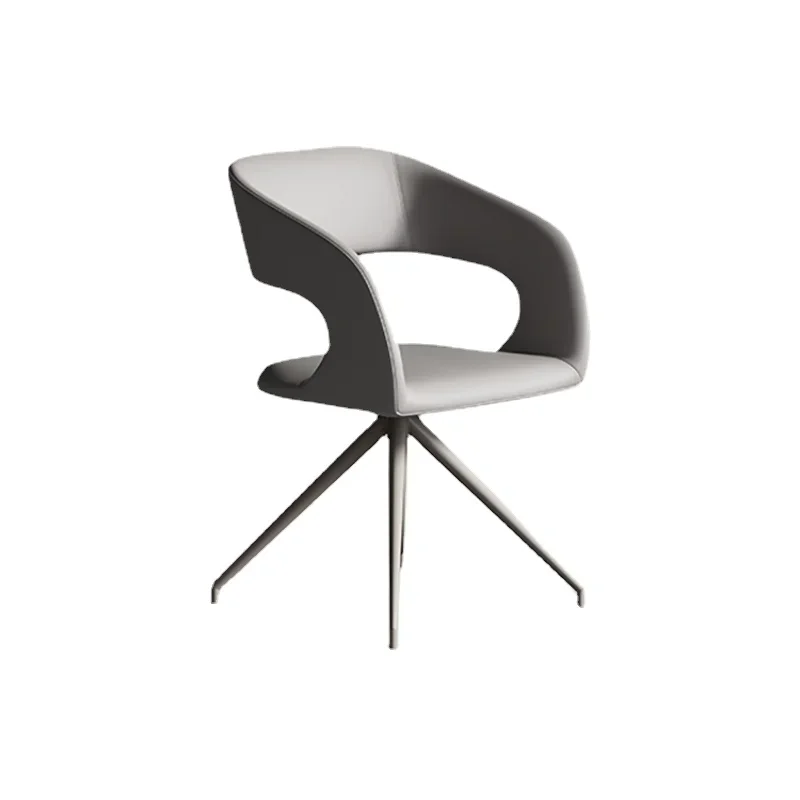
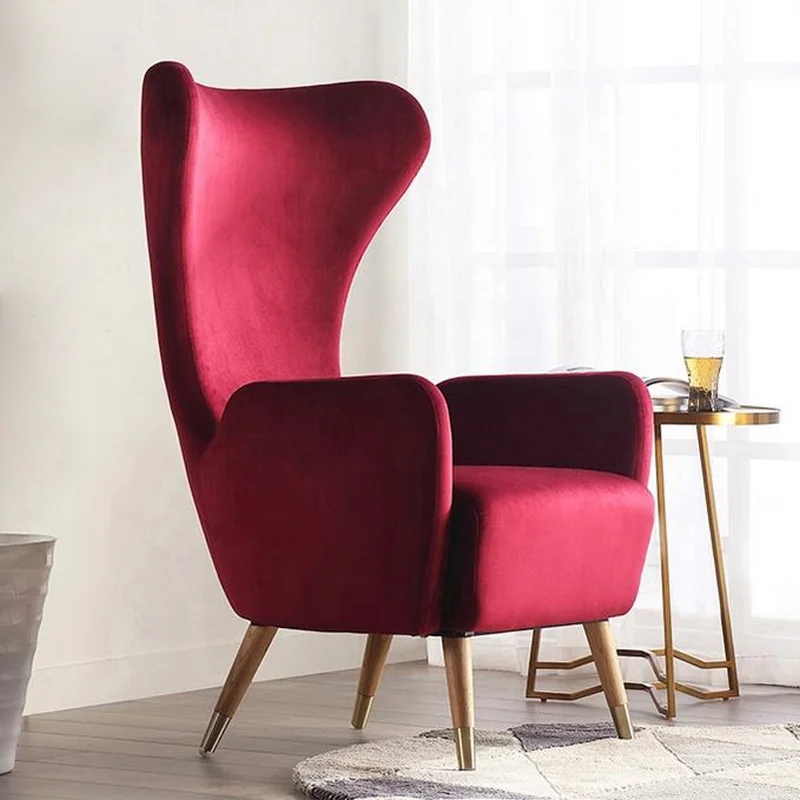
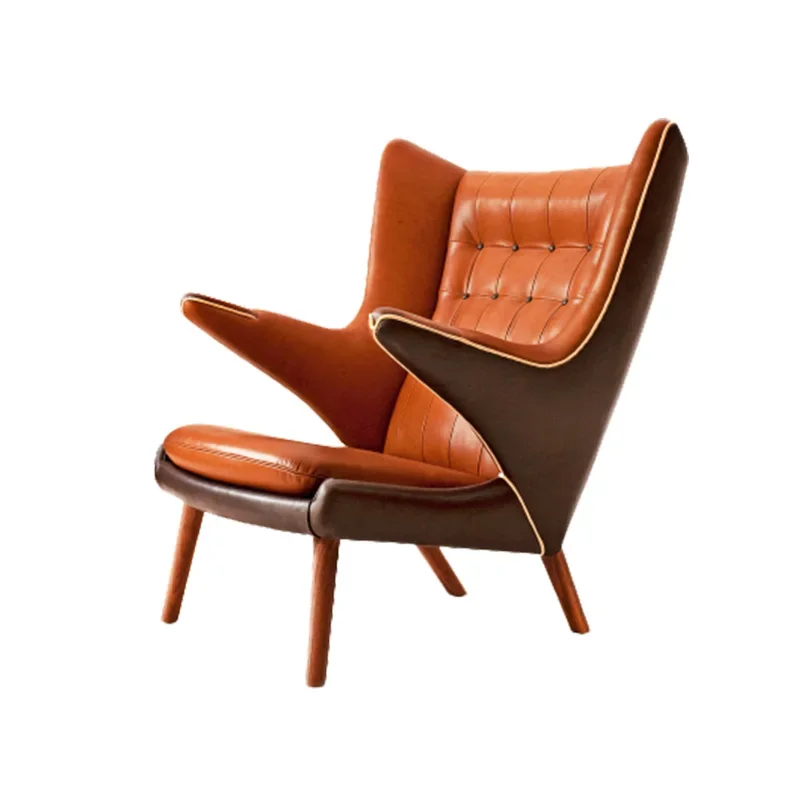
Three modern lounge chairs featuring wood, velvet, and molded designs, showcasing stylish and comfortable contemporary seating options.

How to Choose a Modern Lounge Chair That’s Actually Comfortable?

Three modern lounge chairs featuring wood, velvet, and molded designs, showcasing stylish and comfortable contemporary seating options.

How to Choose a Modern Lounge Chair That’s Actually Comfortable?

Choosing the right lounge chair isn’t just about decor-it’s a design decision that affects traffic flow, ergonomic comfort, and the room’s overall look and feel. Whether you’re furnishing a residential living area, a hotel lobby, or a private suite, the right chair enhances both comfort and a cohesive look.

For homeowners, the goal is simple: a chair that looks right, feels right, and fits your space.

For interior designers, architects, project contractors, or design-focused homeowners, it comes down to shape, style, materials, and ergonomics to selecting a lounge chair that performs well in everyday use while aligning with contemporary aesthetics. The ideal modern lounge chair blends thoughtful design, ergonomic support, and luxury materials, seamlessly fitting into contemporary living areas or “high-end commercial settings.

For trade projects, it also needs to meet specs-COM/COL, durability, fire-safety requirements where applicable, and lead times.

Whether for residential or high-end commercial spaces—such as boutique hotels, executive lounges, or curated living rooms—a stylish lounge chair should provide both visual impact and exceptional comfort.

This guide breaks down what to look for finding a comfortable modern lounge chair suitable for residential, corporate, or hospitality environments.

Why Consider Comfortable Modern Lounge Chairs?

Modern lounge chairs elevate interior spaces by combining form and functionality. Defined by sleek lines, ergonomic shapes, and luxurious upholstery, these chairs pull double duty as a place to kick back and a statement piece.

Look for features like supportive backrests, adjustable elements, and deep seats that stay comfortable for longer sits. These make lounge chairs ideal for bedrooms, living rooms, or hospitality environments where both aesthetics and comfort matter.

A well-designed modern lounge chair does more than fill a space; it elevates the space. Lounge chairs act like functional art, balancing comfort, structural integrity, and contemporary design.

  • Better posture support for sustained comfort
  • Balanced proportions in the room. A focal point that boosts aesthetics and anchors the space visually
  • Performance options for real life: stain-resistant fabrics, pet-friendly textures, and easy-clean leather alternatives.
  • Customization that prevents compromise: choose upholstery type and wood tone so the chair fits the room-not the other way around.

Placing Modern Lounge Chairs in Different Environments

A modern lounge chair can complement a room or define it. From mid-century precision to contemporary sleek lines, the chair should match the project’s overall aesthetic.

  • Mid-Century Modern to Contemporary Minimalist
    Mid-century modern lounge chairs feature exposed wooden frames and organic curves, introducing warmth and sophistication. Minimalist designs emphasize clean lines and often monochromatic palettes, great for offices, lobbies, and client-facing spaces.

  • Placement and Function
    The type of chair depend on its intended environment:
    • Residential spaces: Living room lounge chairs provide deep comfort and elegant upholstery; in bedrooms, lighter silhouettes usually work best.
      Trade tip: In lobbies and lounges, prioritize commercial-grade upholstery, tighter weaves, and finishes that handle daily wear.
    • Outdoor spaces: Choose chairs made from UV- and moisture-resistant materials, such as marine-grade teak, aluminium, or performance fabrics.

Choosing Comfort and Style for Different Spaces

Start with how you’ll use it most: reading, TV, conversation seating, or a design-forward accent.

Selecting the right lounge chair starts with understanding where it will be placed and how it will be used.

  • Living Rooms: Mid-century modern lounge chairs add timeless elegance and often serve as focal points, guiding the room’s layout. Chaise lounge chairs give you a spot to unwind or reading.
  • Bedrooms: Plush lounge chairs create a cozy corner without overwhelming the room.
  • Lobbies: Sleek, minimalist designs enhance professional environments, making it easy to host quick chats or longer sits.
  • Outdoor Spaces: Weather-resistant lounge chairs combine durability and style, complementing patios or poolside areas.

Each lounge chair option serves a unique purpose, helping designers, contractors, or homeowners select the chair that naturally enhances both comfort and aesthetics.

Key Considerations When Choosing a Modern Lounge Chair

Selecting a lounge chair involves more than appearance; it requires attention to comfort, proportion, and design intent.

  • Ergonomics and Comfort: Ensure proper backrest height, seat depth, and arm support. Aim for cushioning that feels supportive, not sink-in soft.
  • Materials and Upholstery: Leather looks sharp and develops character over time; fabric adds texture and softness. Performance materials suit high-traffic areas.
  • Customization matters here: Switch from fabric to leather (or vice versa), choose performance upholstery for high-traffic areas, or go with faux leather for a similar look with easier maintenance and a different price point.
    Trade note: Confirm abrasion ratings (double rubs) and cleaning codes.
  • Design and Style: Look for a silhouette that complements the interior style—mid-century forms for organic curves, contemporary chairs for bold geometry.
  • Frame Materials: Consider wood or metal frames, along with cushion shapes and seams that contribute to the overall aesthetic. Choose the wood tone and finish-light oak, walnut, espresso, matte or satin-so it matches existing flooring, cabinetry, or casegoods.
  • Proportion and Scale: Large chairs suit open layouts; streamlined silhouettes fit compact spaces. Ensure visual balance with nearby furniture.
  • Designer/contractor note: confirm seat height and overall depth against adjacent tables and clearances.
  • Function and Placement: Bedroom chairs may be soft and enveloping; living rooms often need structured, supportive seating. Outdoor chairs require weather-resistant materials.

Different Types of Modern Lounge Chairs

Mi-Silla offers a curated range of lounge chairs designed for comfort, proportion, and clean, intentional lines, suitable for both residential and commercial interiors.

1. Contemporary Sculptural Lounge Chairs

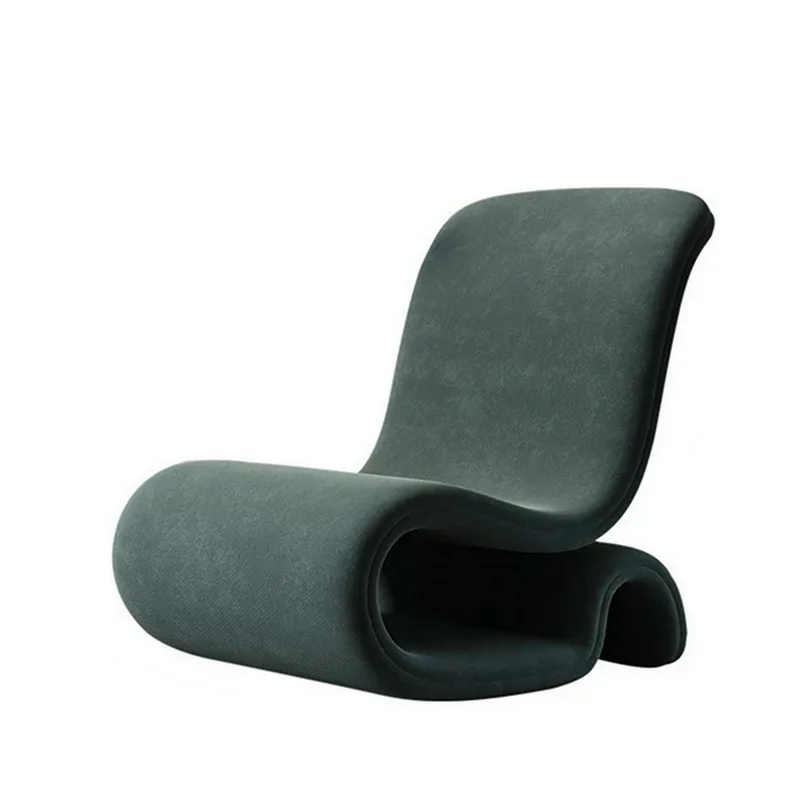
Smooth curves and soft silhouettes add movement and visual ease. Example: Curved Design Fabric Lounge Chair, ideal for living rooms, boutique suites, or quiet seating zones.

Best for: statement seating in reception areas or a living room focal point.

A modern Narinari Lounge Armchair, upholstered in smooth cream or beige leather, featuring a unique, sculptural, curved back and a low-profile, armless design.
Mid-Century Modern Lounge Chair with solid wood frame, gently curved armrests, plush beige cushions, and clean lines for timeless comfort and style

2. Mid-Century Modern Lounge Chairs

Organic curves and clean geometry, blending wood accents with soft upholstery. Example: Modern Mid-Century Lounge Chair, suitable for studios, lounges, and refined residential spaces.

Best for: warm, timeless projects where wood tone needs to coordinate.

3. Leather Modern Lounge Chairs

Durable and refined, perfect for executive offices or contemporary living areas. Example: Minimalist Leather Lounge Chair with clean stitching and supportive padding.

Best for: offices, hospitality, or homes that want a clean, wipeable finish.

Minimalistic Leather Armchair featuring a sleek black leather seat, slim metal legs, wooden armrests, and a clean modern design for contemporary spaces
Chaise Sofa Lounge Slipper Chair with black leather upholstery, ergonomic reclined design, padded contours, and sleek metal legs for modern comfort

4. Chaise-Style Lounge Chairs

Extended seating for relaxed posture in residential or commercial spaces. Example: Chaise-Inspired Lounge Chair creates an easy reading spot while maintaining an open feel.

5. Upholstered Lounge Chairs

Soft, inviting presence with plush cushioning. Example: Fabric Upholstered Lounge Chair, ideal for bedrooms, hospitality lounges, or private seating corners.

Best for: comfort-first spaces and layered, softer interiors.

NOD Lounge Chair Upholstered Fabric featuring textured pink upholstery, curved cushioned backrest, slim metal legs, and modern minimalist design
Reeves Wood Lounge Chair with warm brown upholstered seat, compact cushioned backrest, sturdy wooden legs, and a modern low-profile design

6. Minimalist Frame Lounge Chairs

Sleek frames and simple lines fit open, airy rooms that need a clean look. Example: Metal-Frame Modern Lounge Chair, combining comfort with clean architectural structure.

Design Tips for Selecting the Right Lounge Chair

  • Map out traffic flow so you don’t block walkways.
  • See how the fabric reads in natural light vs. lamps.
  • Match chair materials with nearby architectural elements.
  • Pay attention to the chair’s visual weight.
  • Choose durable upholstery for commercial applications.
  • Test seat depth for proper comfort and posture support.
  • For trade projects: confirm COM/COL and request finish samples before sign-off.
  • Order swatches: view upholstery and wood finishes in the actual space lighting.

How Mi-Silla Customizes Your Lounge Chairs?

Mi-Silla offers lounge chairs tailored to your style, your specs, and your floor plan.

Instead of settling for ‘close enough,’ Mi-Silla lets you spec the chair to your project-or your home—down to upholstery type and wood finish.

  • Custom Upholstery Options: Choose fabric, genuine leather, or faux leather—plus performance options for high-traffic or family homes.
  • Flexible Dimensions: Seat width, height, and depth adjustments for precise proportions.
  • Frame and Finish Selection: Select wood species/tone and finish (matte/satin) to match floors, millwork, or existing furniture.
  • Color Coordination: Broad palette of neutrals and accent colors to match interiors.
  • Comfort Adjustments: Cushion firmness tailored for residential or commercial needs.
  • Design Continuity Across Collections: Chairs pair seamlessly with Mi-Silla sofas and accent pieces for a unified interior.

Curate Comfort and Style with the Ideal Modern Lounge Chair

The right modern lounge chair combines comfort, aesthetic clarity, and long-term durability. It’s not just another piece-it upgrades the whole room.

Whether for a private residence, hospitality project, or commercial space, Mi-Silla’s curated collection offers versatile styles: sculptural contemporary forms, mid-century modern icons, and leather-upholstered classics.

With a focus on craftsmanship, architectural detailing, and customization, Mi-Silla helps designers and homeowners create sophisticated, comfortable interiors.

  • Trade clients: request upholstery and finish samples to align with your spec package.
  • Homeowners: pick your upholstery and wood tone to match your space.

Discover the customizable lounge chairs and elevate your next project with comfort and style like never before.

Three modern living rooms featuring sculptural sofas in neutral tones, minimalist decor, soft lighting, and spacious layouts.

The Complete Guide to Sofa Types That Can Transform Your Living Room

Three modern living rooms featuring sculptural sofas in neutral tones, minimalist decor, soft lighting, and spacious layouts.

The Complete Guide to Sofa Types That Can Transform Your Living Room

A living room isn’t defined by its walls-it’s defined by the furniture , which shapes both aesthetics and functionality. Among all the elements, the sofa plays a pivotal role. It helps maintain visual flow and sets a tone of comfort and interaction for anyone entering the room.

Whether you’re furnishing a contemporary home, a boutique hospitality project, or your own living space, the sofa becomes the main piece anchoring every design decision.

For interior designers and architects, specifying a sofa requires more than just choosing a style. It demands an understanding of proportion, ergonomics, material performance, and layout planning. For homeowners, a sofa reflects personality, lifestyle, and a thoughtful investment in comfort, longevity, and craftsmanship.

At Mi-Silla, our sofa collections are developed with these principles in mind. Each piece is built with precision, using premium materials with a designer’s eye for proportion to complement both modern and timeless interiors.

This guide explores the different types of sofas available today for homeowners, interior designers, architects, contractors, and hospitality owners, showing how each can transform a living room into a cohesive, functional, and visually compelling environment.

Why Choosing the Right Sofa Matters for Modern Interiors?

The right sofa shapes the flow of a space. While its aesthetics impact the interior, its seating structure and size can make a room feel bigger or smaller.

For trade projects, it should also meet specs-COM/COL, durability, cleaning codes, and lead times.

With the right silhouette, proportions, and materials, a sofa can guide movement, encourage interaction, and create an inviting atmosphere. In private residences, boutique hospitality spaces, and commercial lounges, a well-designed sofa does more than provide seating—it sets up the tone.

Here’s how the right sofa contributes to refined interiors:

  • Balanced proportions within the room

    A sofa should harmonize with ceiling height, wall length, and window placement. Proper proportions support the room’s architecture, anchoring the space without overwhelming it.

  • Ergonomics for daily comfort

    Comfort comes down to the detailsThe backrest pitch, seat depth, cushion firmness, and armrest height directly influence everyday usability.

  • A cohesive look that fits the project

    A sofa should echo the interior concept, whether minimalist, sculptural, transitional, or mid-century inspired. Its lines, textures, materials, and detailing reinforce the project’s overall cohesion.

  • Looks-good, feels-good comfort

    Material quality influences both how a room feels and looks. Upholstery textures, fabric softness, leather finishes, and structural detailing contribute to a welcoming and refined atmosphere.

  • Built to last

    Structural construction determines a sofa’s durability. Durable frames, resilient foams, and high-quality fabrics ensure long-lasting performance in family rooms or commercial lounges.

Different Types of Sofas for the Living Room

Selecting the right sofa starts with understanding the designer’s or homeowner’s intent, spatial preferences, and architectural style. Knowing the distinctions among sofa types allows professionals and clients to choose pieces that meet functional, ergonomic, and visual goals. Mi-Silla offers a curated selection of sculptural, modular, contemporary, and luxury-oriented designs.

1. Modular and Low-Profile Sofas

Modular, low-profile sofas are central to contemporary interiors for their versatility and grounded visual presence. Ideal for open-plan layouts; these sofas are customizable, allowing designers to reconfigure components for homes or boutique hotel suites.
Examples: Mi-Silla’s Togo Sofa, with quilted construction and ergonomic depth, and the Organic Curve Luxe Sofa, perfect for minimalist, modern environments.

Modern black Togo Sofa with plush, low-profile design, soft leather upholstery and deep tufted folds, offering stylish comfort for contemporary living spaces
Organic Curve Luxe Sofa with smooth flowing silhouette, plush upholstered seating, soft neutral tones and sculptural form, designed for modern luxury living spaces

2. Curved and Sculptural Sofas

Curved sofas introduce movement, softness, and visual flow, naturally defining seating zones and conversational areas.

Example: Mi-Silla’s Modern Curve Fabric Accent Sofa, with a smooth silhouette and stainless-steel frame.

3. Luxury Upholstered Sofas

Luxury sofas prioritize comfort and refined aesthetics, suitable for high-end residential projects, executive suites, or premium commercial spaces.

Examples: Agerola Luxury Sofa, blending warm wood accents with soft fabric upholstery, and the Sheepskin Little Petra Sofa, offering Scandinavian sensibility and plush texture.

4. Compact Sofas and Loveseats

Compact sofas offer comfort in smaller spaces, ideal for secondary seating zones, reading corners, or multifunctional rooms. And “compact” doesn’t have to mean fixed-many designs can be scaled in width or depth to fit tighter rooms without losing comfort.

Examples: Shell Design Fabric Single Sofa for contemporary interiors, and the Colorful Lounge Single Sofa for boutique hospitality settings.

5. Daybed-Style Sofas

Daybed-inspired designs provide relaxed, elongated seating while maintaining visual openness.

Example: Boudoir Daybed Sofa Bench, with a curved bench-like structure for minimalist or upscale interiors.

Nodo Dining Table with glossy ceramic top, sculptural curved pedestal base and modern luxury dining room setting with upholstered chairs
Chair Thompson Sculptural Shape featuring a curved, minimalist upholstered seat with soft contours and sleek metal legs, adding a modern artistic touch to contemporary interiors

6. Accent Sofas and Statement Seating

Accent sofas function as focal points, introducing sculptural expression or bold fabrics.

Examples: Modern Curve Fabric Accent Sofa and Colorful Lounge Single Sofa for playful contemporary appeal.

7. Texture-Forward Sofas

Material-focused sofas emphasize a space’s tactile and visual allure, with textures such as sheepskin, leather, or performance fabrics. This is also where upholstery choices matter most-fabric, genuine leather, or faux leather can completely change the look, feel, and maintenance level.

Examples: Sheepskin Little Petra Sofa for cozy environments and Premium Leather & Wood Accent chaise lounge for sophistication and artisanal build.

Premium Leather & Wood Accent Chaise Lounge featuring black leather upholstery, rich wooden side panels and sleek metal legs, offering a refined modern seating option for luxury interiors

Key Considerations When Choosing a Sofa

Selecting a sofa involves more than choosing a silhouette—it requires evaluating dimensions, materials, construction, ergonomics, and customization.

  • Proportion & Scale: Ensure the sofa complements ceiling height, wall length, windows, and circulation paths to maintain visual balance.

  • Material Selection: Choose upholstery based on real-life use: fabric for softness and texture, genuine leather for a premium look that ages well, or faux leather for a similar aesthetic with easier care and a different price point. For trade, confirm abrasion ratings (double rubs) and cleaning codes.

  • Frame Construction: Solid hardwood, reinforced joinery, and quality engineered wood ensure durability in residential and commercial spaces.

  • Legs & Finishes: Choose wood or metal legs in finishes like natural oak, walnut, black, brushed stainless, or brass tones to match nearby casegoods and hardware.

  • Seat Depth & Cushioning: Evaluate cushion density, foam layering, and ergonomic structure for comfort and long-term performance.

  • Configuration & Spatial Layout: Sectionals suit open-plan layouts, while single sofas work for intimate settings. Layered seating with lounge chairs or daybeds supports conversation and easy flow.

Mi-Silla integrates these considerations into every sofa collection , offering customizable options tailored to your project’s technical and aesthetic needs.

How Mi-Silla Customizes Every Sofa?

Mi-Silla doesn’t just manufacture sofas—we tailor them precisely to your spatial, aesthetic, and functional vision.

  • Upholstery & Material Flexibility: Choose fabric, genuine leather, or faux leather-plus performance upholstery options for high-traffic homes and hospitality settings.

  • Frame & Structural Customizations: Adjust the base, frame, and leg style—wood legs for warmth, or metal legs for a sharper modern look-plus finish options to fit the design intent.

  • Dimensions and Scale Adjustments: Sofa width, depth, and height can be adapted for residential rooms, commercial lounges, or complex layouts. That means you can keep the same design and scale it up or down-compact, standard, or oversized-based on the room.

  • Cushion Firmness & Ergonomics: Customize cushion density, foam layering, and seating support for relaxed lounging or a more upright sit.

  • Modular & Configurable Designs: Modular systems allow standalone or integrated seating. Example: Chaise Longue Sofa Slipper Chair can be used independently or in larger configurations.

Why Customization Matters?

  • Designers & Architects: Match spatial layouts while reinforcing the project’s design narrative.

  • Hospitality teams & contractors: Achieve durability standards without sacrificing design sophistication.

  • Homeowners: Create bespoke statement pieces tailored to comfort, color palette, and room proportions.

With Mi-Silla, you’re not just choosing a sofa—you’re designing it to reflect your vision, space, and standards.

Elevate Your Living Room with Mi-Silla

The ideal sofa aligns with both architectural intent and the user’s lifestyle. From modular systems to sculptural curves, each sofa type impacts space differently.

Designers, architects, and homeowners can select the perfect sofa to define their living room’s atmosphere, balancing craftsmanship, comfort, and timeless design.

Explore Mi-Silla’s collection of living room sofas today, featuring diverse silhouettes with refined proportions, engineered comfort, and high-end materials for residential, hospitality, and commercial applications.

Three modern living room interiors showcasing contemporary sofas, chairs, coffee tables, indoor plants, and stylish lighting.

How To Choose Furniture For A New Home: Premium Pieces That Elevate Every Room

Three modern living room interiors showcasing contemporary sofas, chairs, coffee tables, indoor plants, and stylish lighting.

How To Choose Furniture For A New Home: Premium Pieces That Elevate Every Room

Furnishing a new home requires thoughtful planning. You’re making selections that balance visual beauty with functional requirements, while shaping the experience of each space. It’s a challenging task, and not everyone is prepared to tackle it.

This guide breaks it down into practical steps-so your home feels finished, comfortable, and guest-ready without costly mistakes.

To simplify the process, this guide offers valuable insights for selecting (and, for trade projects, specifying) furniture that enhances residential interiors.

At Mi-Silla, we design and craft modern furniture that is structurally sound and true to its materials. Whether you are an interior designer sourcing for a client or a homeowner furnishing your own space, this guide will help you create interiors with timeless design and functionality.

Why Invest in Quality Furniture for Your New Home?

The furniture you choose defines the character of your home. Each piece contributes to the spatial hierarchy and shapes the experience for occupants and guests.

Specification-grade furniture offers long-term performance and longevity. Durable materials maintain structural integrity and beauty over time.

Quality furniture communicates the architectural language of your interiors. Thoughtfully curated pieces create visual harmony and a cohesive design narrative.

It combines performance textiles, exceptional craftsmanship, and meticulous attention to detail—resulting in pieces that exceed standard residential furniture expectations.

1. Measure Your Space Before You Shop

Accurate measurements are essential for successful furniture specification. Document all circulation paths, doorways and openings, and vertical clearances. For large pieces, confirm delivery access points.

Maintain clearance zones around functional items to ensure optimal seating and circulation. Proper spatial planning sustains functionality and visual balance throughout your layout.

If standard sizes don’t fit your layout, custom dimensions can solve clearance issues and make the room feel intentionally planned.

Luxury Totu Armchair with plush rust velvet cushions, curved black frame and metal legs, modern designer lounge chair
Shell Design Fabric Single Sofa with plush green velvet upholstery, scalloped shell backrest and gold metal legs, elegant luxury accent chair

2. Establish Your Design Direction

Before specifying furniture, define your design direction—modernist, mid-century, sustainable, or another contemporary approach. Ensure that your selections reflect the architectural character of your space.

Luxury-inspired pieces can work across a range of architectural styles-from mid-century modern to contemporary. Consistency in design ensures visual continuity across different areas.

Furniture can reinforce architectural elements such as material quality, proportion systems, or geometric shapes, creating interiors that feel intentional rather than arbitrary.

3. Choose Quality Materials

High-quality materials enhance both performance and aesthetic appeal.

  • Wood: Solid hardwoods provide structural integrity and material authenticity.
  • Stone: Marble or other natural stones offer durability and timeless beauty.
  • Textiles: Performance fabrics resist crushing, staining, and fading, ideal for high-use residential spaces.
  • Metal: Steel or aluminum adds structural support and contemporary contrast.

Customization also lets you choose the right material and finish for how the home will be used—pets, kids, hosting, or high-traffic living areas.

Triangle Design Solid Wood Coffee Table with smooth natural wood finish, curved triangular base and modern minimalist style for living room
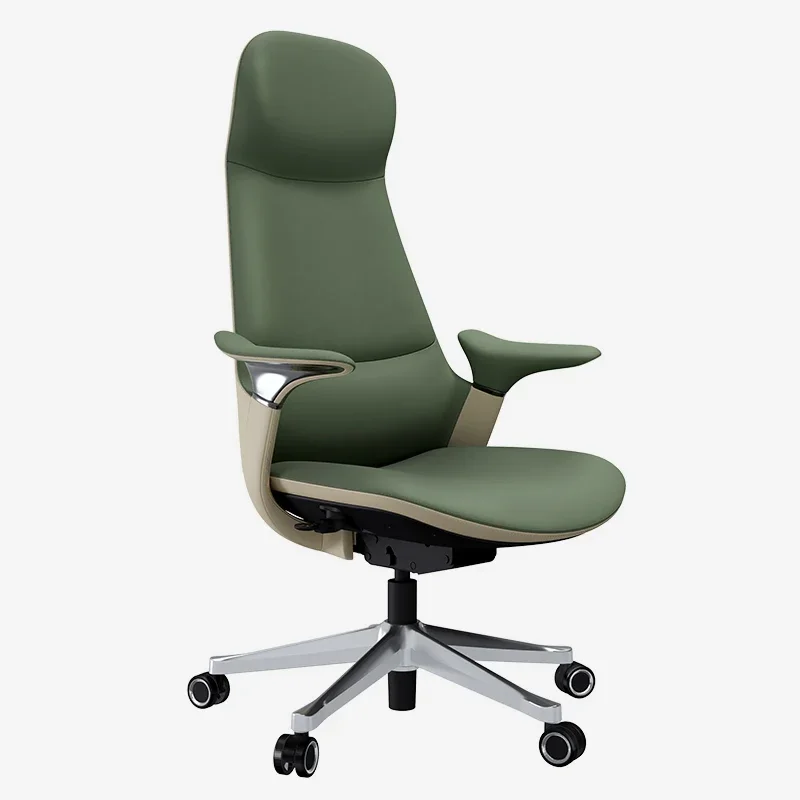
High Back Ergonomic Office Chair with adjustable headrest, padded green upholstery, supportive armrests and smooth swivel base for comfort

4. Prioritize Comfort and Functionality

Aesthetic appeal must be matched with ergonomic performance and test seating for all-day comfort. Evaluate furniture functionality in context:

  • Dining seating should be comfortable for extended meals.
  • Home office chairs need lumbar support and proper ergonomics.
  • Multi-functional furniture (e.g., storage ottomans, extendable dining tables) enhances both function and efficiency.

5. Choose a Statement Piece First

Anchor each space with a primary design element—a dining table, lounge seating, or a custom centrepiece.

Dining tables act as a social hub, balancing materiality with functional performance. Allow the anchor piece to inform subsequent furniture selections, ensuring a cohesive visual experience.

Nodo Dining Table with glossy ceramic top, sculptural curved pedestal base and modern luxury dining room setting with upholstered chairs

6. Prioritize Guest Areas

Focus on spaces for hospitality and social interaction.

  • Living spaces: Plan seating ratios, circulation, and conversational distances. Modular furniture allows flexible arrangements
  • Dining spaces: Ensure table sizing, seating comfort, and flow. Custom dining chairs provide ergonomics and thoughtful design.

Made-to-order options help you match upholstery, wood tone, and finishes across the main entertaining spaces for a cohesive, high-end look.

Giotto Fabric Armchair Restaurant with soft upholstered seat and backrest, slim metal frame and modern minimalist design for dining spaces

7. Consider Long-Term Value

Furniture is a capital investment, not an expense. Specification-grade pieces may cost more upfront but deliver value through longevity and durability.

  • Avoid trend-driven designs; choose enduring aesthetics.
  • Select finishes and materials that age gracefully and align with your clients’ care expectations.

Luxury Furniture Pieces That Impress

Once design criteria and dimensions are set, anchor pieces define your interior. These selections elevate both residential and hospitality interiors:

  • Luxury Dining Tables: Serve as social hubs. Material choice (hardwood, stone, glass) defines both aesthetics and performance. Custom dimensions ensure proper clearance and functional flow.
  • Statement Chairs and Seating: Custom dining chairs and accent seating add sculptural interest. Mixing heights and profiles creates rhythm and avoids visual monotony.
  • Elegant Living Room Furniture: Seating, coffee tables, side tables, and storage pieces balance aesthetics with ergonomics. Integrated lighting layers the space and enhances ambiance.

Common Mistakes in Furniture Specification

  • Incorrect dimensions: Failing to measure leads to scale and access issues.
  • Compromising quality for cost: Lower-grade furniture wears quickly and diminishes appearance.
  • Overcrowding: Dense arrangements reduce functionality and disrupt flow.
  • Random style mixing: Lack of a cohesive design scheme creates visual inconsistency.
  • Ignoring maintenance: Select materials and finishes suitable for the client’s care capabilities.

Budget Planning for High-Quality Furniture

Allocate budgets to critical pieces—dining tables, primary seating—while secondary items (occasional tables, accessories) can be allocated a smaller budget.

Specification-grade furniture provides lifecycle value, reducing replacement cycles and maintaining aesthetic quality longer than conventional products.

Mi-Silla’s custom furniture ensures precise specifications, eliminating compromises in materials, dimensions, or design intent.

Arranging Furniture for Maximum Impact

  • Plan traffic patterns to maintain smooth circulation.
  • Arrange seating for social interaction with proper conversational distances.
  • Distribute furniture mass evenly for visual balance; offset heavy pieces with lighter accents.
  • Consider natural and artificial lighting to enhance material expression and spatial perception.

Mi-Silla Advantage for New Homeowners

Mi-Silla specializes in custom, made-to-order furniture:

  • Combines architectural precision with skilled craftsmanship.
  • Provides complimentary freight services for projects, maintaining cost-effectiveness.
  • Offers tailored solutions in dimensions, materials, and finishes, ensuring seamless integration with the space.

We collaborate with trade professionals to turn design concepts into plush, functional furniture, suitable for homes, corporate interiors, and multi-family projects.

Begin Your Journey to Enduring Interior Furniture

Choosing furniture is more than filling a space—it’s an investment in comfort, style, and longevity.

By prioritizing precise measurements, intentional design direction, and uncompromising quality, you can create interiors that are architecturally cohesive.

At Mi-Silla, luxury is defined by the precision of fit, honesty of materials, and enduring design. Partner with us to transform accent chair ideas for living rooms into realized furniture that reflects craftsmanship and architectural purity.

Explore our collection today to start specifying luxury furniture that will impress your guests and enrich your everyday life.

Luxury dining chairs collection showcasing modern, upholstered, and contemporary styles for elegant dining room interiors

A Complete Guide to the Types of Dining Chairs for Every Style

Furnishing the perfect dining space is an artistic experience – whether you’re designing your own home or styling a space for a high-end client.

The dining area is all about a welcoming ambiance, a soft, cozy presence, and a spot where everyone can feel comfortable, where conversations unfold, laughter flows, and meals become memories. It is a one-of-a-kind space that we rarely consider when decorating.

With so many textures, tones, and furniture options to choose from, creating a cohesive look can feel overwhelming. And when it comes to finding the perfect dining chairs, even the most seasoned designers sometimes pause.

Which type of chair is perfect for your dining room table? Will it be comfortable? Will it go with the theme and still be functional?

There are so many aspects to consider – the space theme, the need for the chairs, accessibility, where they will be placed – table or countertop, and so much more.

At Mi Silla, we believe that great design should reflect your personality. That’s why every dining chair can be customized – from frame color and upholstery fabric to texture, finishes, and size. Whether you’re furnishing a private residence or a commercial dining space, our tailored approach ensures your chairs are as unique as your vision.

This complete guide breaks down the most popular types of dining chairs, helping homeowners, decorators, builders, and designers discover the perfect balance between comfort, design, and timeless appeal.

Getting Familiar with the Most Common Dining Chairs

Dining chairs are more than a seating experience for eating. They’re an essential part of the dining experience. Each piece contributes to the atmosphere, complements the table, and brings a balance of comfort and style to the room.

Whether you’re designing a luxurious, classic dining room or styling a sleek,, minimalist dining room, there’s a dining chair that matches your vision.. Let’s take a look –

1. Side Chairs – The Everyday Classic

Simple, versatile, and effortlessly elegant, side chairs are the most common type found in dining spaces. Designed without arms, they easily slide under the table, saving space while keeping the area open and accessible.

Side chairs are –

  • Perfect for smaller dining areas or minimalist interiors where the furniture can be easily tucked away and doesn’t appear cluttered. It offers a casual vibe, perfect for friendly get-togethers and easy dinners.
  • They have a slim outlook, nothing bulky, and blend well with a range of décor styles and themes. Whether opting for a sleek wooden chair that fits the traditional vibe or a bar-style stool chair for a modern dining space, the design combinations are endless.
  • Some side chairs have upholstered seats for extra comfort, while others employ wood, cane, or metal for a more defined shape. They are versatile and, ideally, the first choice for every designer working with a small space.

The LUZ Upholstered Leather Dining Chair is a perfect representation of the modern side chair – combining soft leather upholstery with a streamlined frame that fits beautifully into both contemporary and transitional dining spaces. Its subtle curves and refined stitching make it equally suitable for luxury residential projects and boutique restaurants.

2. Armchairs – Comfort with a Touch of Luxury

Dining armchairs are a more comfortable variant of dining chairs that add a little more warmth, luxury, and formality. There are various heights of armchairs available, and they can easily fit with a dining table to offer a seamless visual and functional experience.

Why they stand out –

  • Typically placed at the head or foot of the dining table and provide added support for the upper body and arms.
  • They are ideal for long meals, formal events, or after-dinner coffee sessions when everything is discussed, yet with a touch of elegant familiarity.
  • Their taller backs, upholstered arms, and padded seats make them ideal for spaces that blend elegance with functionality.
  • Dining armchairs come in endless styles – from clean-lined, modern silhouettes to traditional wooden frames with ornate details or embroidered finishes. Whether in a minimalist home or a luxury hospitality project, these chairs instantly elevate the dining setup.
  • Interior designers often use them as statement pieces, pairing them with simpler side chairs for a refined, balanced composition that enhances both comfort and visual appeal.

For a bold, luxurious statement, the Ego Dining Chair is a must-have. Its sculptural silhouette and plush upholstery instantly command attention, making it the centerpiece of any high-end dining space.

If you’re leaning toward something sleek and contemporary, the Minimalistic Leather Armchair offers the perfect balance – refined, comfortable, and effortlessly elegant. Its clean lines and smooth leather finish make it a top pick for modern interiors and boutique restaurants alike.

Whether classic or minimalist, dining armchairs remain an essential design element for spaces that prioritize both comfort and visual sophistication. They don’t just complete the table – they elevate the entire dining experience.

3. Parsons Armchairs – Clean Lines, Timeless Appeal

Parsons chairs are a modern classic beloved by designers and style-conscious homeowners for their clean lines, square silhouette, and tailored upholstery. A Parsons armchair, indeed, holds a special place in furnishing, and for the right reasons –

  • Originally crafted in the early 20th century at the Parsons School of Design, these chairs elegantly blend simplicity with sophistication. While they can be placed in a sophisticated dining hall for a special event, their lightweight design blends well with a casual nighttime session with friends and family.
  • These chairs commonly feature a solid wood or metal frame, an elegant, comfy padded seat and backrest. They are draped in rich, textured fabric or leather, which is comfortable and visually appealing.
  • The neutral aesthetic of the pieces makes them remarkably versatile – equally suited for a minimalist dining space, a coastal diner, or a luxurious lunchroom.

Upholstered Parsons chairs particularly shine in contemporary dining rooms, where comfort and elegance are paramount. With their timeless design and ergonomic form, they continue to be a go-to choice for architects, decorators, and hospitality designers looking for a chair that’s as functional as it is elegant.

4. Wingback Chairs – Where Luxury Meets Drama

Wingback chairs are a timeless choice for sophisticated dining spaces, instantly recognizable by their tall, upholstered backs and the elegant “wings” that sweep gracefully down the sides. The enveloping frame leaves a lasting impression on anyone who steps into the space. They are still famous for the right reasons –

Why they continue to captivate designers –

  • Originally designed to add warmth in cold rooms, modern wingback dining chairs are now celebrated for their majestic form and luxurious appeal.
  • These chairs add a sense of drama and elegance to formal dining rooms and are used in traditional and eclectic decorating schemes.
  • Modern wingbacks display more symmetrical silhouettes, updated fabrics, and varied designs that better suit current tastes.
  • Their authoritative presence makes them a favorite for high-end homes, luxury restaurants, and penthouse dining areas, where elegance and comfort must coexist.

Whether styled in velvet for a statement look or neutral tones for subtle sophistication, wingback chairs command attention. They’re more than just seating – they’re architectural elements that anchor the dining room with confidence and class.

5. Ladder-Back and Slat-Back Chairs – Simple, Airy, and Timeless

Among the most enduring styles in dining furniture, ladder-back and slat-back chairs remain favorites for both designers and homeowners who appreciate simplicity, craftsmanship, and versatility.

Named for their horizontal wooden slats that resemble a ladder, these chairs offer a relaxed, airy aesthetic that instantly warms up a dining space.

Why they’re a classic choice –

  • The style promotes air circulation and a light, airy feel, making it suitable for casual or comfortable dining rooms.
  • Both styles are ideal for farmhouse, cottage, and Shaker-style interiors, where minimalism and handmade furniture are assets. The slats can also be varied in number, though three and five are the most popular.
  • Some models feature a soft bend at the upper slat, maximizing ease of use. Even though they were initially designed with wood, modern models feature metal frames or mixed-material blends.

Thanks to their lightweight and minimal profile, ladder-back and slat-back chairs are especially well-suited for smaller dining areas or garden-style dining spaces. They maintain visual openness without sacrificing charm – a timeless balance of functionality and design.

Classic Designs: Timeless and Antique Dining Chairs

Queen Anne, Chippendale, and Windsor – these legendary antique chairs styles have stood the test of time. Their intricate craftsmanship, elegant silhouettes, and historical charm continue to inspire homeowners, designers, and collectors alike.

These antique dining chairs bring more than just seating to a space, they bring character, heritage, and a story that connects modern interiors with centuries of artistry. Whether placed in a vintage dining room or reimagined within a contemporary setting, they add instant sophistication and visual depth.

Let’s take a closer look at some of these enduring classics that have continued to spark conversations for generations.

1. Queen Anne Chairs – Grace from the 18th Century

Originating in early 18th-century England, Queen Anne chairs introduced a more graceful and organic approach to furniture design, replacing the heavier William and Mary style.

Key features –

  • The signature cabriole leg – a gently curved form ending in a pad or ball-and-claw foot.
  • A vase-shaped back splat that follows the spine’s curve for comfort and poise.
  • Crafted from walnut, cherry, or mahogany, often finished in dark stains to highlight the chair’s elegant lines.

Modern versions combine upholstered seats and ergonomic comfort with the same timeless silhouette, making Queen Anne chairs a perfect fit for traditional, transitional, or contemporary dining spaces.

2. Chippendale Chairs English Elegance Redefined

Named after English cabinetmaker Thomas Chippendale, these mid-18th-century masterpieces elevated the Queen Anne style with a mix of Gothic, Rococo, and Chinese influences.

Key features –

  • Intricate pierced splats, ribbon or shell motifs, and graceful S-curves.
  • Cabriole or fluted legs ending in ball-and-claw or lion-paw feet.
  • Crafted from mahogany with a deep, polished finish that highlights ornate carvings and solid construction.

Even now, they are highly valued for their beautiful artistic quality and one-of-a-kind visual presence, highly sought after for vintage interiors.

3. Windsor Chairs

Originating in 18th-century England, Windsor chairs are known for their solid wooden seat, spindle-back design, and gracefully splayed legs that combine strength with visual lightness.

Key features –

  • Available in bow-back, fan-back, and comb-back variations.
  • Traditionally crafted from oak or ash, perfect for farmhouse or cottage-style décor.
  • Modern versions feature sleek finishes and premium woods, fitting beautifully into contemporary spaces.

Famed for their strength, light structure, and versatility, Windsor chairs effortlessly blend in with relaxed and formal settings. Easy to move around with, they are ideal for flexible dining areas. Beyond the comfort and usability, the timeless design intrigues interior professionals to blend the traditional and the contemporary.

Types of Contemporary Dining Chairs For Today’s Spaces

Modern dining rooms are all about innovation, functionality, and simplicity, serving the space’s purpose effectively. However, while design trends have evolved from traditional craftsmanship to minimalist forms, the essence of creativity still defines every great piece.

Today’s contemporary dining chairs are more than just furniture; they’re sculptural statements that shape the room’s personality. Each design tells a story – blending past influences with present sensibilities – and invites every guest into a subtle dialogue between comfort, nostalgia, and modern living.

1. Mid-Century Modern Dining Chairs – The Era of Effortless Design

Mid-century modern dining chairs from the 1940s-1960s are famous for their timeless fusion of form and function. They are more about ergonomic ease, minimal lines, and organic contours.

Key Features –

  • Characterized by tapered legs crafted from walnut, teak, or oak, they impart a sense of lightness and visual openness, enhancing a room’s airy quality.
  • These chairs are remarkably adaptable and can seamlessly work with dining tables crafted from glass, wood, or stone. Their sleek, minimalist designs and neutral hues are well-suited to urban lofts, suburban residences, and commercial environments alike.
  • They offer an ergonomic, timeless aesthetic that projects warmth and retro-chic wherever it’s used in modern settings.

The Platner Armchair is a perfect example of this aesthetic – a sculptural masterpiece that has truly never gone out of style. You’ll spot it in the most stunning interiors, from sleek modern penthouses to bohemian-glam dining spaces. Its wire-frame base and plush upholstery make it a statement piece that bridges art and function.

Today, you can find authentic vintage versions, affordable modern reproductions, or even have one reupholstered in your own fabric for a truly custom touch.

Warm, elegant, and endlessly adaptable, mid-century dining chairs remain the gold standard for those who appreciate design that stands the test of time.

2. Metal and Industrial Style Dining Chairs – Urban Strength with Style

Industrial dining chairs capture the rugged, functional spirit of city architecture, inspired by early 20th-century factories and workshops.

They are:

  • Typically constructed from steel, iron, or aluminum, the chairs feature visible rivets, welded-on parts, and powder finishes in matt black, gunmetal grey, or brushed nickel.
  • Often combine metal frames with wooden or leather seats, blending warmth with urban edge.
  • Perfect for loft condos, open kitchens, cafés, and restaurants seeking a bold, modern aesthetic.

The Bertoia Stool perfectly captures this industrial aesthetic. With its sculptural wire frame and architectural form, it blends functionality with artistry. Ideal for dining bars, modern restaurants, or industrial-style homes, it adds sophistication without losing that raw, urban edge.

Strong, durable, and low-maintenance, metal and industrial dining chairs remain a designer favorite for busy spaces that demand both style and substance.

3. Acrylic and Plastic Dining Chairs – Light, Modern, and Versatile

The modern dining chairs made from plastic and acrylic are a result of a progressive design mentality. Created in polycarbonate, acrylic (PMMA), and fiberglass, they are light, translucent shapes that offer visual lightness and are perfect for small spaces or low-light areas.

  • Inspired by icons like the Eames Molded Plastic Chair (1950), now reimagined in glossy, tinted, or matte finishes for contemporary interiors.
  • Durable, weather-resistant, and stackable, ideal for both indoor and outdoor use.
  • Popular in restaurants, rentals, and co-working spaces thanks to their light weight and cost efficiency.
  • Designers use them to add spatial articulation or a pop of color without visual clutter. With the addition of metal bases or wooden supports, they combine high style with day-to-day functionality.

In the commercial dine-outs, lightweight materials enable flexible configurations and keep shipping costs down, making them perfect for restaurants, pop-ups, and co-working spaces.

How To Choose Dining Chairs For Your Home?

Choosing the perfect dining chairs extends beyond aesthetics. It’s about creating a space that feels inviting, functions well, and truly fits your lifestyle. Choosing the right dining chairs isn’t just about looks — it’s about creating a space that feels inviting, functions well, and truly fits your lifestyle. Whether you’re furnishing a cozy apartment, a family home, or a hospitality project, understanding what makes a chair work well can help you design a space you’ll love for years.

Here are a few things to keep in mind before making your selection:

1. Get the Measurements Right

  • Comfort starts with proportion. The standard dining table is around 28 – 30 inches. And the chair seat height is between 18-20 inches (45–51 cm).
  • This combination leaves about 10–12-inch space between the seat and the tabletop, with enough legroom and ease of movement.
  • Too high or too low dining chairs lead to discomfort, hunched backs, and a below-par dining experience.
  • Additionally, allow 7–10 inches of vertical clearance from the chair back to the table’s bottom frame for an easy tuck-in.

2. Mix Styles Intentionally

  • Matching sets are no longer a must. In fact, mixing materials, styles, or eras can create a more personal and visually interesting dining space.
  • Designers and homeowners no longer prefer set-matching and have expertly combined different chairs to create a curated, lived-in look that’s ideal for open-plan buildings, eclectically designed interiors, and hospitality spaces.
  • Try pairing modern metal chairs with a rustic wooden table, or blending rattan and upholstered designs for warmth and contrast. Even a few mismatched chairs around a consistent table shape can create that lived-in, designer feel – perfect for open-plan homes or creative hospitality interiors.

3. Choose Materials That Fit Your Lifestyle

The right material depends on how you live and how the space is used –

Hardwood chairs (oak, walnut, teak) have classic beauty and strength and are suitable for classic or rustic houses. Velvet, bouclé, or upholstery fabric upholstered chairs add softness and luxury.​ Metal chairs are low-maintenance, sturdy, and ideal for modern or industrial environments.

4. Think Function First

Every dining room has a different rhythm. For day-to-day family dining, focus on comfort and practicality with round edges, cushioned seats, and easy-to-clean upholstery.

  • In formal dining areas, or luxury design projects, consider statement chairs, such as wingbacks or designer chairs, add elegance and set the tone for the room.
  • In cafés and restaurants, light, stackable, and long-lastingly chairs with commercial-grade finishes deliver efficiency and lasting use.
  • Think ahead too: thoughtful details matter – armrests are good for older people or those with mobility issues, and the non-slip feet provide added security.

Matching chair performance with lifestyle produces a chair that’s stylish, functional, and accessible too.

Designer’s Favorites: Inspiration For Stylish Dining Chairs

As we step into a new era of interior design, dining spaces are being reimagined with a stronger focus on comfort, craftsmanship, and contemporary aesthetics. Interior designers and architects are no longer just looking for what looks beautiful – they’re choosing pieces that feel good, last long, and tell a design story.

Here are a few of the most sought-after dining chair styles that capture today’s design movement – a blend of artistry, material innovation, and everyday usability:

Curved-Back Upholstered Chairs for Elegant Dining Projects

  • Leading the 2025 design trends are curved-back upholstered dining chairs, celebrated for their sculptural form and soothing aesthetic.
  • Influenced by biophilic design, the gently curved shapes depict the contours of nature, creating a calm, harmonious vibe in the dining area.
  • The ergonomic shape supports the spine, making them perfect for leisurely meals or multi-tasking rooms that combine dining and living zones.
  • Designers commonly pair these chairs with oval or circular tables to emphasize continuity and flow.
    Luxury projects prefer jewel-toned velvets, bouclé, and textured fabrics to inject luxury and sensory richness. The Jermain dining chair exemplifies this tendency, with its convex back and low armrests conveying elegance and a sense of comfortable living.
  • To offset softness, the designer pairs curved chairs with sharp lighting or geometric artworks, creating dynamic yet coherent spaces.

The Kylo Framed Chair, a sophisticated model that fuses structure and softness. Its sleek frame and custom-upholstered seat exemplify the art of tailored dining furniture.

At Mi Silla, the expertise lies in creating bespoke dining chairs – offering full customization from the frame finish to the upholstery color and texture. Each piece is designed to fit the client’s aesthetic vision while maintaining ergonomic comfort and timeless appeal.

Cane-Back and Rattan Hybrids for Contemporary Coastal Interiors

Cane and rattan dining chairs are among the hot trends for 2025, representing the contemporary coastal style with the organic warmth and light airiness.

Why designers love them:

  • Their airy backs provide breathability, making them more comfortable in hot conditions.
  • The semi-opaque nature lightens the visual load – ideal in small or open-plan rooms.
  • Contemporary ranges combine classic skills with modern aesthetics, matching rattan backs with oak or walnut solids and linen-upholstered cushions for maximum comfort.
  • Some have metal detailing or powder-coated legs, spanning rustic chic and industrial style.

The Ant Chair – a mid-century icon is known for its molded plywood shell and steel legs. Groundbreaking for its time, its curved silhouette and stackable design still influence contemporary dining furniture today.

At Mi Silla, we specialize in custom-made dining furniture, allowing clients to personalize every detail – from the wood stain to the upholstery fabric and frame finish. This ensures each piece complements the space perfectly, whether it’s a coastal villa, modern loft, or boutique restaurant.

Minimal Steel Frames for a Contemporary Mixed-Material Aesthetic

In 2025, slim steel-frame dining chairs became a popular choice among architects and designers, praised for their modern and industrial style.

  • The chairs have slim, powder-coated legs in matte black, brushed nickel, or gunmetal grey, which pair well with wooden seats, upholstered backs, or acrylic shells, creating a light, contemporary atmosphere.
  • Their light, sturdy design makes them ideal for urban lofts, small apartments, and business applications where space maximization is the priority.
  • The minimalist visual profile and clean lines allow flexible layouts in multi-function dining spaces.

The mixed-material constructions, with a steel base and walnut seat or back upholstery, combine industrial-grade precision with texture and warmth.

Many manufacturers add recycled steel and non-toxic coatings to meet eco-conscious needs and enhanced sustainability.

How Professionals (and Homeowners) Use Dining Chair Variety In Design?

For developers, interior designers, architects and homeowners alike dining chairs are tactical design tools for space planning, user experience optimization, and sustainable space curation.

The right chair doesn’t just complete a room; it influences how people gather, connect, and enjoy shared moments around the table.

  • Lightweight and Stackable Chairs for Flexible Spaces
    In both homes and commercial projects, lightweight, stackable dining chairs are an essential component of multi-purpose dining spaces. Designed with ergonomic usability, the chairs can be quickly shifted and stacked, making them ideal for rapid reconfigurations.They are durable, lightweight materials like aluminum, molded plastic or powder-coated steel, and feature a modular design. They can be configured for banquets, conferences, or social events, and neatly stowed in closets or carted away when redeployment is necessary.For homeowners, they’re a practical way to keep spaces uncluttered without compromising on style.
  • Ergonomic Design for Comfort and Longevity
    Comfort is central to good design – especially in restaurants, cafés, and home dining rooms where people sit for long periods.For hospitality spaces, comfort directly impacts guest satisfaction and return visits. For homeowners, it enhances quality time around the table – whether dining, working, or socializing.Professionals also value slim silhouettes and smooth glides, which make it easier for staff – or family members – to move around freely without disrupting the layout.
  • Sustainable Materials For LEED-Certified And Ecologically Friendly Buildings
    Sustainability isn’t just a trend-it’s a shared responsibility.. For trade professionals and eco-aware homeowners, it has become a go-to choice when selecting dining chairs.Popular sustainable options include:

    • FSC-certified timber: Ensures timber comes from well-managed forests.
    • Recycled steel/aluminum: Closed-loop design and lower carbon footprint in support.
    • Natural products: Rattan, cane, and seagrass are biodegradable and quickly.
    • Eco-upholstery: Fabrics made from recycled polyester, organic cotton, or vegetable leathers (such as mushroom or cork leather) offer luxury with no environmental cost.

In professional projects, these materials often contribute to LEED, WELL, or BREEAM certifications. At home, they simply offer peace of mind – proving that comfort, beauty, and sustainability can coexist effortlessly.

Your Ideal Dining Space Chair Awaits

Selecting the right dining chairs goes beyond matching your table or wall color – it’s about creating a space where design, comfort, and functionality come together effortlessly.

Whether you’re styling a private dining room or designing a high-end hospitality project, the perfect chair can define the atmosphere and elevate every dining experience.

At Mi Silla, we believe every space deserves a personal touch. That’s why all our pieces – from the elegant Kashmir Dining Chair to minimalist solid wood tables – are available with full customization options. You can select your preferred materials, colors, upholstery, and finishes, creating furniture that perfectly aligns with your vision, brand identity, or lifestyle.

Each design combines affordable luxury, lasting quality, and timeless craftsmanship, ensuring your dining space is as unique as the people who gather in it.

Explore our bespoke dining chair collection and discover the perfect piece that delivers style, convenience, and lasting quality. After all, a great meal always begins at the table (and chair).

High-end dining tables in modern and luxury designs showcasing elegant shapes to match contemporary interior styles

How to Choose a High-end Dining Table to Match Your Interior Style?

A Premium Design Guide by Mi Silla for Architects, Designers, and Homeowners

In elevated interior design, few elements command attention like the dining table. Beyond being a place for conversation and meals, it stands as a sculptural focal point – shaping movement, light, and atmosphere within a room.

For architects, interior designers, contractors, and design-conscioushomeowners, selecting a high-end dining table isn’t merely about functionality. It’s about composition, craftsmanship, and cohesion – aligning proportion, materiality, and emotion to define a space that feels intentionally designed.

At Mi Silla, every dining table is a celebration of luxury, artistry, and customization. Our custom-crafted dining tablestransform interiors through architectural precision, handcrafted detail, and design versatility. Whether curating a residential sanctuary or a hospitality masterpiece, Mi Silla’s tables are designed to enhance both form and experience.

Why the Dining Table Matters in Interior Design?

In any elegant home, boutique hotel, or high-end restaurant, the dining table acts as both a visual anchor and a social centerpiece. It determines rhythm, proportion, and the emotional tone of a space.

1. Establishes Balance and Spatial Flow

A dining table influences how people move through a room. Its placement dictates circulation and defines transitions between open-plan zones like kitchens and lounges. The right proportions create equilibrium – offering structure without constraint.

2. Expresses Personality and Design Intent

A dining table reveals a project’s character. Whether minimalist, geometric, or opulently layered, its form and finish speak the language of the designer. A handcrafted marble tabletop conveys permanence and sophistication, while a curved wood base evokes organic warmth and artistry.

3. Merges Functionality with Architectural Beauty

In luxury interiors, functionality must coexist with form. Mi Silla tables embody both – designed with ergonomic proportions, durable materials, and balanced silhouettes that enhance daily use while exuding elegance.

4. Creates Connection and Experience

Beyond aesthetics, the table becomes a catalyst for interaction. The tactile quality of polished wood, the soft reflection of marble, and the geometry of the base all contribute to emotional engagement – turning routine dining into a curated experience.

6 Key Design Principles for Selecting the Perfect Dining Table

Selecting a high-end dining table is one of the most defining decisions in shaping a refined interior. It goes far beyond choosing furniture – it’s about curating a centerpiece that anchors proportion, interaction, and personality within the space.

For both residential and commercial environments, choosing the right dining table means translating design intent into materiality, scale, and functionality.

A thoughtfully designed table harmonizes effortlessly with lighting, flooring, and surrounding textures, reinforcing the project’s overall design narrative. Every decision – from the finish and geometry to craftsmanship and proportion – becomes an reflection of your interior concept.

Below, explore six guiding principles for to selecting a statement dining table that enhances and elevates your interior concept.

1. Respect Proportion and Scale

Luxury design begins with balance. The right dining table should feel proportionate to its surroundings – aligning with – ceiling height, lighting composition, and circulation flow. A piece that’s too large dominates the room; one that’s too small loses presence.
In open- plan interiors, sculptural bases and refined materials can define zones without visual clutter. Consider designs such as the Nodo Dining Table, where a laser-cut steel base – polished and powder-coated in Interpon finishes – brings structural precision and elegance to the center of the space.

True proportion creates quiet impact, where form, light, and movement coexist in harmony.

2. Select the Ideal Shape and Structure

Each table shape defines how a room feels and functions:

  • Rectangular tables establish order, structure, and a sense of symmetry – ideal for formal dining rooms or elongated layouts.
  • Round and oval designs promote flow and intimacy, encouraging easy conversation and softer visual movement within the space.
  • Sculptural bases introduce an architectural focal point, grounding minimalist interiors while maintaining a light, open composition.
  • Mi Silla’s Elliptical Moon Dining Table, for example, blending modern curvature, balanced proportion, and functional elegance to create a true centerpiece.

3. Prioritize Material Integrity

The choice of material defines the atmosphere and sensory quality of a dining spaceץ . Solid wood brings warmth, marble conveys timeless grandeur, and glass or composite finishes provide modern clarity, enhancing openness and light within the room.

At Mi Silla, each surface is engineered for longevity – polished to perfection, balanced in sheen, and designed to interact harmoniously with light and texture.. Whether your project calls for oak’s natural grain or Carrara’s timeless veining, our artisans craft every detail with precision and care.

For example, the Arona Dining Table demonstrates this mastery: a ceramic top layered over tempered glass, paired with a gold–champagne steel base. The white-veined surface and softly rounded legs create a luxurious, modern aesthetic that balances form and durability.

4. Harmonize with Chairs and Accents

A dining table never stands alone – it defines and responds to the elements around it. Chairs, lighting, and flooring should engage in a cohesive visual dialogue that reinforces the room’s balance and intent.

  • Chairs should align in proportion and tone, complementing the table’s material weight and geometry.
  • Lighting must enhance both functionality and mood, highlighting the table surface without overpowering it.
  • Flooring and surrounding finishes should create contrast or continuity, depending on the desired atmosphere.

For professional designers, proportion is key – matching the table’s visual weight with chair scale and upholstery tone. Mi Silla’s dining chair collections are curated to coordinate effortlessly, enabling a unified design flow across residential and commercial interiors.

5. Balance Practicality with Aesthetic Depth

Function and beauty coexist when every detail is thoughtfully resolved. Designers today seek adaptable solutions – extendable formats, integrated bases, and ergonomic clearance – ensuring spaces to remain fluid and multi-purpose.

Mi Silla’s dining tables are engineered for versatility without compromising aesthetic refinement.Each design merges modular innovation with artisanal craftsmanship, ensuring that functionality enhances, rather than interrupts, visual harmony.

6. Embrace Bespoke Craftsmanship

True luxury lies in individuality. Our bespoke dining tables offer creative freedom across every element – from proportion and geometry to surface pattern, and finish tone.

Whether defining a statement centerpiece for a modern residence or specifying furniture for an upscale hospitality project our team collaborates closely with architects and designers to bring their concepts to life with precision and permanence..

For example, the Japanese EM Dining Table exemplifies this philosophy. It can be tailored in multiple steel finishes, with tabletops available in circular, square, rectangular, or barrel shapes – uniting structural artistry with design flexibility.

Professional Checklist for Designers & Homeowners to Select a Statement Piece for the Dining Area

A dining table defines the heart of any interior. Whether you’re shaping a sophisticated home interior, a contemporary penthouse, or an elegant hospitality space, the right table anchors the overall design narrative and sets the tone for the space.

This professional checklist offers clear design considerations for selecting a statement dining table that harmonizes with your interior style while reflecting your lifestyle and design intent:

  • Maintain at least 36 inches of clearance around the table for comfortable movement and circulation.
  • Match lighting temperature with material tone (warm metals with warm light, while marble and glass surfaces benefit from neutral illumination).
  • Select ergonomic height and between chairs to balance comfort with visual proportion.
  • Coordinate flooring, wall finishes, to achieve cohesive spatial harmony.
  • Choose sustainable materials and enduring finishes that age gracefully and offer long-term value.
  • Invest with intention – a handcrafted table by Mi Silla becomes not just furniture, but an enduring design element that grows with the space.

The Power of Personalization with Mi Silla

Every project tells a story – and so should every table. At Mi Silla, we believe true luxury lies in the details. Our bespoke approach allows you to define every dimension, finish, and form with precision and intent:

  • Custom sizing tailored to architectural proportions.
  • Premium materials like Italian marble, American walnut, or brushed brass.
  • Finishing selections curated to complement your palette and lighting scheme.
  • Refined joinery and structural design that ensure beauty endures through time

From contemporary penthouses to fine-dining venues, Mi Silla dining tables are conceived to integrate seamlessly into any design vision.Each piece captures the essence of luxury design, made accessible through thoughtful production and meticulous artistry.

Craft a Signature Dining Space with Mi Silla

A dining table is more than a furnishing it’s emotional and visual anchor of a space.. It defines interaction, expresses identity, and unifies every design element around it. At Mi Silla, we combine heritage craftsmanship, advanced engineering, and aesthetic precision to create dining tables that transcend trends. Every piece embodies individuality, architectural elegance, and enduring value – offering the sophistication of world-class design with exceptional craftsmanship and fair, considered pricing.

Whether you’re designing a private residence, hospitality hospitality project, or a corporate dining space, Mi Silla provides the expertise and flexibility to transform your concept into reality.

Explore our Dining Table Collection and discover how Mi Silla transforms spaces into statements – where craftsmanship meets customization, luxury meets purpose, and every space finds its statement piece.

Premium accent chairs in a modern living room featuring luxury seating designs, warm tones, and elegant contemporary décor

Premium Accent Chair Ideas for Living Rooms

When designing a living room, the right furniture can instantly define the space – creating a focal point that captures attention and sets the mood. Accent chairs are the perfect way to achieve a refined look.

More than just a place to sit, accent chairs are sculptural centerpieces that showcase a designer’s creativity and artistic vision.. character, texture, and dimension to the space while offering functional seating.

For an interior designer or stylist, an accent chair introduces layers of texture, shape, visual depth, and architectural detail to a project.

Whether you’re aiming for a bold statement piece or a subtle touch of sophistication within a high-end residential project, the right chair will make a big difference.
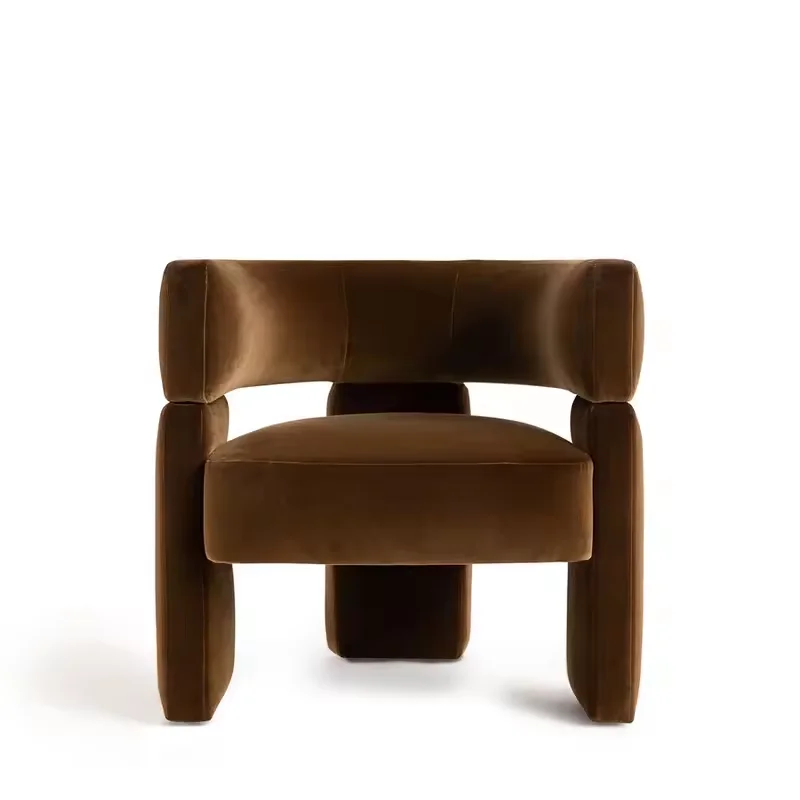
This blog will help architects, interior designers, contractors, and homeowners curate captivating accent chair ideas for elegant living rooms.

How Does an Accent Chair Add a Touch of Class to the Living Room?

The living room or lounge of a residence, hotel, or spa is where first impressions are made. It reflects the interior designer’s creativity, taste, and signature style.

Accent chairs play a key role in defining that narrative. They offer a functional way of introducing a pop of color and layers of texture to the room. Unlike the standard seating, they provide a visual rhythm and a layer of sophistication that transforms the entire layout.

Here are a few ways the accent chairs add a touch of sophistication and balance to any space:

  • Creates a Focal Point – An accent chair serves as a visual anchor, drawing viewers’ attention. It makes the space feel intentionally designed rather than furnished.
  • Adds a Pop of Color – In a neutral or understated living room, an accent chair brings vibrancy and energy, making the space more dynamic and inviting.
  • Balances Neutral Elements – The key to harmonious design is contrast. A neutral accent chair can balance bold walls or statement décor, creating a calm, cohesive look.
  • Redefines Unused Areas – Accent chairs are the perfect pieces for filling empty corners or underutilized zones.. They can transform neglected spaces into stylish, functional nooks.
  • Maximizes Space – In smaller living rooms, accent chairs add seating without overwhelming the layout, making the area feel open yet complete.

The Power of Customization

At Mi Silla, every accent chair is more than a piece of furniture – it’s a statement tailored to your vision.

We specialize in custom upholstery, premium fabrics, and made-to-order wood finishes, allowing designers and homeowners to fully personalize each chair. Whether it’s the fabric texture, color tone, or wood grain, every detail is crafted to align perfectly with your interior concept.

From minimalist elegance to luxurious statement pieces, our custom design process ensures that each accent chair not only complements your space – it defines it.

What are the Common Types of Accent Chair Designs?

When it comes to styling a living room, creative furniture pieces like an accent chair can make a lasting impression.. Whether the interior leans minimalistic, contemporary, or bohemian, an accent chair effortlessly ties the design elements together.

For an interior designer, stylist, contractor, and homeowners understanding the types of accent chairs can help make the best styling choice.

From cozy wingback silhouettes to sleek modern designs, each style offers a distinct visual statement.

At Mi Silla, every chair can be customized – from the fabric and upholstery texture to the wood finish and color tone. This flexibility allows each design to be tailored precisely to the project’s aesthetic, whether it’s for a high-end residential living room or a boutique commercial lounge.

Here are the top accent chair styles that have unique characteristics and features. Each with its own design language, comfort level, and customization potential.

1. Arm Chair

A timeless favorite, the armchair combines comfort and structure with upholstered arms that invite relaxation. Most types of armchairs come with soft pads and high-density foam cushions to support the back and provide an ergonomic feel.

These accent chairs fit perfectly in the living room thanks to their classic designs. Moreover, they come in a variety of colors and styles, making styling needs more straightforward.

2. Side Chair

Side chairs elegant, slim, and versatile. With their straight backs and lightweight frames, they are perfect for petite living rooms or transitional spaces This accent chair style easily complements small spaces or petite living rooms. Side chairs are preferred for their portability, storage, and easier styling.

Due to their straight backs, these chairs create an elegant and formal look. The chair’s subtle design accentuates the space’s chic element.

3. Wingback Chair

The wingback chair is a true design classic, recognized by its tall back and signature “wings” that embrace the sitter in comfort. Originally designed to capture warmth near the fireplace, this style now adds a sense of grandeur and character to modern interiors They are perfect for contrasting with the room’s color and pattern. For a rustic living room, this accent chair style would add an old-world charm.

Whether your commercial living room project calls for mid-century modern or traditional elements, adding a wingback will add an accent.

Explore our Wingback Collection to discover how Mi Silla transforms this timeless silhouette into contemporary, made-to-order pieces that elevate any space.

4. Slipper Chair

Slipper chairs are armless,sleek and space-efficient, making them ideal for compact living rooms or boutique-style interiors.

Originally designed for a dressing room, this chair has evolved into a versatile piece that complements modern, minimalist, and contemporary spaces alike.

Thanks to their lightweight and slender profile, slipper chairs are perfect for adding extra seating without overwhelming the layout. Their clean lines and refined proportions allow them to blend beautifully with existing décor while keeping the room feeling open and airy.

Explore our Slipper Collection to see how Mi Silla redefines this classic silhouette with custom fabrics, colors, and wood finishes – bringing a tailored touch of elegance to any interior.

10 Best Living Room Accent Chair Ideas

A living room deserves furniture that not only elevates its style but also provides exceptional comfort. In this regard, accent chairs are perfect for creating focal points and defining the mood of the space.

By choosing the right style of chair, a stylist, designer, contractor, or homeowner can refine even the most compact living room. The key lies in selecting designs that deliver impact without overwhelming the layout.

Every living room has its own distinctive character – architectural proportions, color palette, and lighting play a role. These elements should guide your choice when exploring accent chair ideas for living rooms and bedrooms.

At Mi Silla, each accent chair is fully customizable – from upholstery and fabric texture to leg finish and wood tone – allowing you to align the piece precisely with your project’s aesthetic. Whether designing a boutique-style apartment or a luxury residential space, customization transforms a good design into a personal statement.

Here are the top 10 styling tips and accent chair design ideas to turn any living room into a sophisticated, comfortable, and visually captivating space:

1. Place Accent Chairs Near Coffee Tables

Make the accent chair the focal point by positioning it strategically around the coffee table – the heart of the living room.. Since the coffee table is where people gather, seating placement plays a vital role in setting the atmosphere. Place two accent chairs opposite each other or angled beside the sofa to create visual balance and conversation flow.. For example, adding seating options like the Mart Relax MPRN_1 Accent Chair will serve the purpose while offering optimum comfort and artistry to the setup..

Designers can play with contrasting shapes and textures – pairing a curved chair with a geometric table – to achieve a visually a harmonious yet dynamic style.

2. Make the Chair a Statement Piece

Accent chairs are the easiest way to inject personality into a space. Whether through color, shape, or texture, a statement chair instantly elevates the room’s character.

For minimalist or neutral interiors, consider a boldly upholstered piece that introduces contrast. On the other hand, if the room already features vibrant patterns, opt for a soft-toned, textured fabric that complements without competing.

However, if the room is too colorful or patterned, a more subtle chair would be beneficial. Pieces like the Luxury Cream Hotel Shell Lounge Chair would help tie the room’s designs, colors, and elements together.

3. Create a Cozy Nook

Empty corners or architectural recesses are perfect opportunities to create a reading nook or relaxation zone. Placing a comfortable accent chair near the bookcase will help create a comfortable seating area. Options like the Comfy Accent Chair with Footrest can help achieve these styling goals. Pair the chair with a matching ottoman or footrest, a side table, and soft lighting to complete the setup.

Adding these accent chair styles to the project will help the clients feel relaxed and comfortably dive into a good book or read mail. Make sure that the place gets optimal sunlight to make it more inviting and relaxing.

4. Give Priority to Comfort

When choosing furniture for the living room or selecting an accent chair for the bedroom, comfort should be the top priority. A cozy accent chair in a hotel or residential space invites people to sit, relax, and enjoy the atmosphere , fostering social interaction and hospitality.

When comfort and style are combined, the room becomes both functional and chic. Before selecting a chair to the room, consider the material and craftsmanship behind it.

High-quality upholstery like genuine leather, rich velvet, or performance fabric not only lasts longer but also evokes a luxurious feel. At Mi Silla, each chair is ergonomically designed and fully customizable, allowing you to select the perfect density, cushion style, and upholstery for your project.

For instance, adding the Mammoth Lounge Chair offers generous proportions that encourage relaxation while maintaining a modern aesthetic.

5. Play with Colors

For interior designer, stylist and homeowners, adding an accent chair to the living room opens the door to creativity. Experiment with tones, patterns, and textures that contrast or complement your space.

In modern interiors with clean lines and minimalistic décor, a neutral or monochromatic chair creates visual balance. In more traditional or eclectic settings, a boldly colored or patterned piece can energize the room.
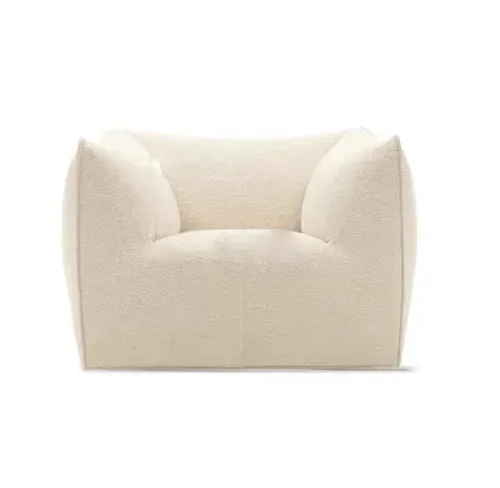
For colorful, artistic rooms, a vibrant model like the Shadowy Accent Armchair would automatically adds a playful yet sophisticated touch.

6. Opt for Strategic Positioning

Strategically placing an accent chair is essential to elevating the living room’s aesthetic. The right position transforms an accent chair from a decorative accessory into a functional design feature.

Placing the accent chair in the corner of the room creates a cozy reading nook, while setting it near a window invites natural light and relaxation. Positioning it beside a small table makes the area more functional, social, and balanced.

Designs such as the Clam Chairs Designer Accent Chair can anchor a corner with sculptural elegance, turning unused areas into inviting spaces.

7. Style with Throw Pillows

Throw pillows are an effortless way to bring color, comfort, and cohesion to the living room. They bridge the visual gap between the sofa and accent chair while adding texture and personality.

Pairing a bold or textured pillow with a statement lounge chair – such as the Fried Egg Lounge Chair will enhances both comfort and design harmony.

At Mi Silla, every detail can be tailored, including matching or contrasting fabrics for pillows and upholstery, ensuring a complete, curated look for your project.

8. Mix and Match with Interiors

Mixing and matching furniture with the existing interior is one of the smartest and most creative ways to design a living room. Combining an accent chair with other furniture piece introduces depth, character, and personality to the space.

To achieve a cohesive yet dynamic look, choose designs that share similar materials, tones, or visual elements. Don’t be afraid to experiment with contrasts, a neutral space can come alive with a bold or textured accent chair.

For instance, pairing a sleek modern armchair, like the Wave Accent Chair, with an antique side table creates a sophisticated fusion. Or, blending a traditional wingback chair with a minimalist slipper seat can be balance classic charm with modern flair.

9. Armless Chair for Smaller Rooms

When styling compact living rooms, armless accent chairs are the ultimate space-savers. Their clean lines and open silhouettes make the room feel larger while maintaining elegance and comfort.

A model like the Luxury Dark Blue Shell Lounge Chair,

perfectly demonstrates this concept – adding character without taking up visual space.
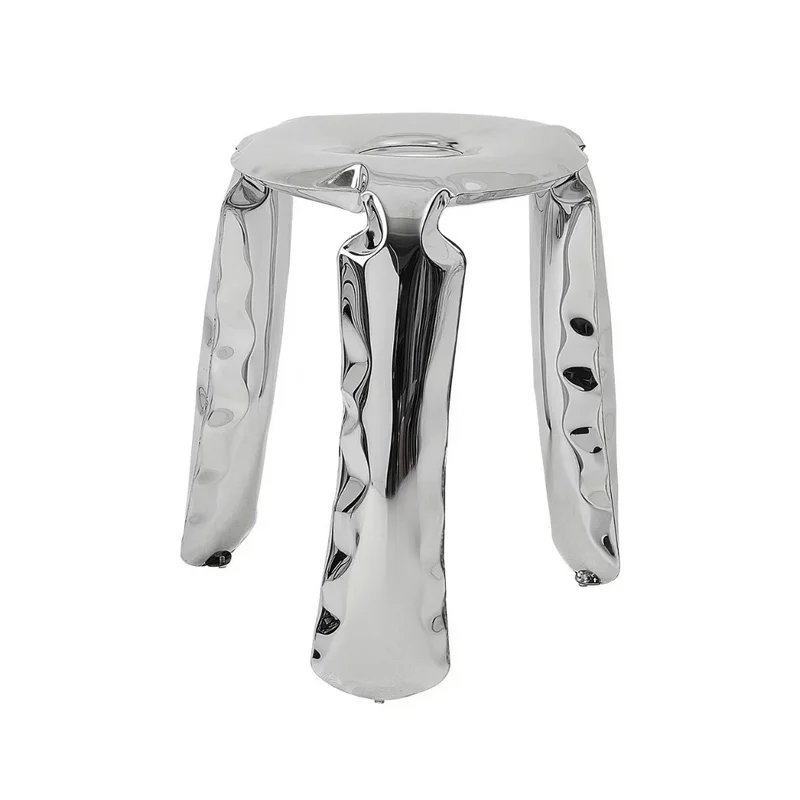
Armless chairs are also lightweight and easy to move, giving interior designers, stylists, and homeowners the flexibility to refresh layouts whenever inspiration strikes. Designs with low backs and slim legs enhance the sense of openness, making them ideal for apartments, studios, or boutique lounges.

10. Enhance the Functionality of the Room

A well-placed accent chair doesn’t just enhance aesthetics – it also elevates functionality. Its versatility allows designers to define small zones within a space, creating inviting corners for reading, socializing, or simply relaxing.

Smaller than sofas yet big on impact, these chairs can be easily repositioned to suit the occasion. A plush, inviting piece like the Sheepskin Knitting Accent Chair offers comfort and enclosure, ideal for reading sessions or cozy gatherings.

With their unique shapes, textures, and custom finishes, Mi Silla’s accent chairs complement both traditional and contemporary interiors, transforming living spaces into elegant, multi-functional environments.

Key Elements to Consider When Choosing an Accent Chair

Choosing the right accent chair goes beyond appearance, it’s about creating harmony, purpose, and proportion within your interior. No matter the décor style, a thoughtfully selected chair can transform a room from simple to spectacular.

Accent chairs also bring color, texture, and balance, effortlessly tying together your design theme. For interior designers, stylists, and homeowners, each selection should reflect both form and function.

Here are key principles to guide your choice:

  • Choose chairs that offer an inviting, graceful feel without compromising on style.
  • Look for high-end materials, such as genuine leather, premium woodand durable fabrics for long-lasting beauty.
  • Combine colors, shapes, and materials that complement existing furniture for a cohesive design flow.
  • Select textures, finishes, and tones that align with the room’s character and palette.
  • Ensure the chair enhances the layout while maintaining balance and functionality.

Make the Living Room Irresistible with Mi Silla Accent Chairs

Incorporating a premium accent chair into your living room is one of the effective ways to add color, warmth, and individuality to the space. Whether for a boutique hotel, modern residence, or elegant commercial lounge, the right chair instantly elevates sophistication and comfort.

At Mi Silla, we offers designer accent chairs that merge luxury materials, bespoke craftsmanship, and timeless silhouettes. Each piece is customizable – from fabric and color to wood finish – ensuring that every chair is a perfect reflection of your vision.

By mixing and matching the Mi Silla chairs with your existing interior, , you can create a curated space that radiates elegance and creativity.

Explore our Accent Chair Collection and transform your living room into a stunning showcase of design and comfort.