Tag Archives: style of furniture

Guide To Choose Custom Upholstery Furniture For Modern House

A Guide to Choosing Custom Upholstered Furniture for a Modern House

Guide To Choose Custom Upholstery Furniture For Modern House

A Guide to Choosing Custom Upholstered Furniture for a Modern House

Designing a modern home involves more than just filling rooms with furniture. It’s about how a space feels, functions, and reflects a clear design direction. Custom upholstery is central to that process. It allows seating to feel intentional rather than incidental.

When proportions, fabrics, finishes, and construction details are chosen carefully, upholstered furniture becomes both expressive and functional. It enhances comfort, creates visual balance, and integrates seamlessly with the home’s architecture. Mi Silla is a design-led upholstery studio and manufacturer, creating made-to-order seating for homeowners and the trade-not mass retail furniture.

As contemporary living shifts toward personalization and meaningful design, homeowners want furniture that feels intentional and built to last. Similarly, interior designers and architects look for upholstered pieces with strong shapes, dependable performance, and rich materials. They can anchor a room without overpowering it.

Custom upholstery makes this possible by allowing you to control details, from selecting fabrics and cushioning to choosing stitching, scale, and finish. This guide outlines how to choose upholstered furniture that complements modern architecture, supports everyday living, and aligns with long-term design goals.

Understanding Custom Upholstery in Modern Interiors

Custom upholstery isn’t just choosing a fabric you like. It’s the ability to fine-tune how a piece feels, performs, and fits your space-down to the internal build, proportions, and finishing details.

  • Fabric & color selection: leather vs. velvet vs. performance fabrics vs. bouclé-then decide on a solid, striped, or patterned finish based on your lifestyle (pets/kids), natural light, and the room’s overall palette.
  • Configuration: modular sections, chaise left/right, armless units, corner pieces, apartment-size vs. full-scale proportions.
  • Base & legs: wood species, stain color, metal finish, leg height (also impacts the “lightness” of the silhouette).
  • Performance needs: stain resistance, pet-friendly options, UV resistance for bright rooms, slipcovers for easy care.
  • For trade: COM/COL options, spec sheets, lead times, fire-code requests (when required), project coordination support.

Custom upholstery is not just an aesthetic upgrade; it’s a strategic design choice. In modern interiors, where open layouts and clean lines dominate, upholstered furniture often serves as a visual and functional anchor.

Carefully chosen upholstery enhances a space’s atmosphere. Fabrics respond to natural and artificial light, silhouettes reflect architectural lines, and solid construction ensures the furniture lasts over time.

Custom upholstered sofas, lounge chairs, dining chairs, and accent seating gain character through their texture and tone. Designers often choose materials that balance comfort and durability, such as performance fabrics, textured weaves, bouclé, and high-resilience foam systems These choices support long-term use without compromising visual appeal.

Custom upholstery also helps furniture fit naturally into its surroundings. Instead of picking pieces independently, selections consider flooring, wall finishes, lighting plans, and traffic flow. This results in interiors that feel unified and purposeful.

Beyond function, upholstery impacts emotions. Soft fabrics create cozy, welcoming spaces, structured textiles provide clarity, and rich colors add depth and character. When chosen wisely, upholstered pieces, like premium accent chairs, become essential elements that define the feel of a modern home.

Professional Guidelines for Choosing Custom Upholstery Furniture

Designing a modern interior requires more than instinct. It demands informed decisions that balance style, comfort, and performance, especially with custom furniture.

A Step-by-Step Custom Upholstery Selection Process

  1. Define the use case (daily family use / occasional / hospitality)
  2. Measure + map circulation (walkways, door swings, sightlines)
  3. Choose silhouette + scale first
  4. Pick comfort spec (foam/fill)
  5. Select fabric by performance rating
  6. Confirm details (stitching, piping, legs)
  7. Approve samples + lead time + care plan

What Designers and Architects Should Ask For

  • material specs + rub count / abrasion rating
  • CAD/spec drawings when needed
  • COM guidelines + yardage estimate
  • Installation + delivery constraints (elevators, stairs, site protection)
  • Warranty + commercial options

Here are practical guidelines to help homeowners, designers, and project teams choose custom upholstery that strengthens functionality and architectural intent.

1. Start with a Strong Silhouette

Every successful interior begins with a solid visual foundation. In custom upholstery, the silhouette is crucial. The shape establishes its presence before fabric or color is even considered.

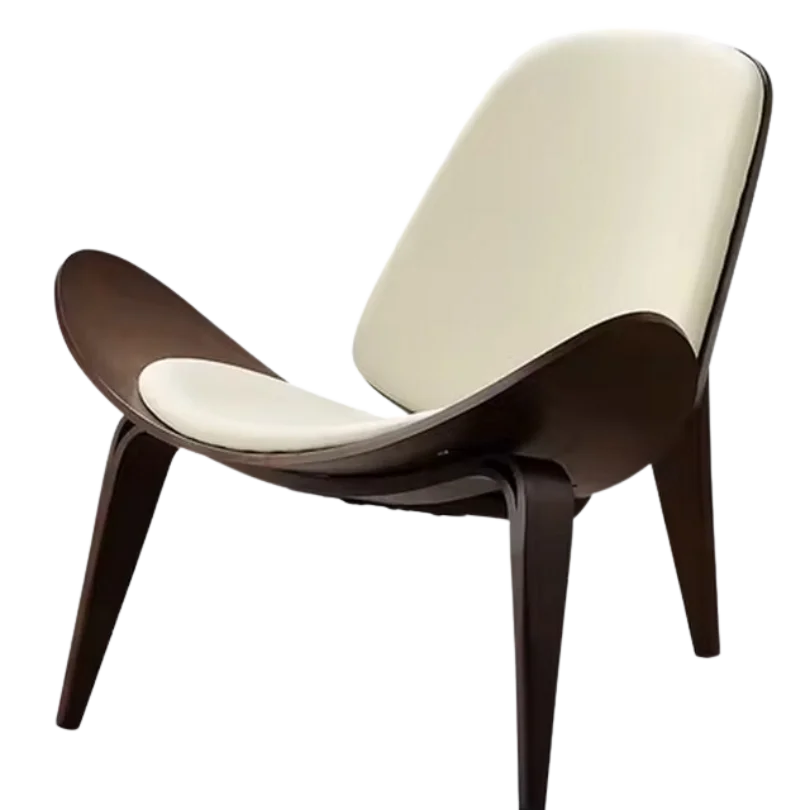
When reviewing upholstered chairs or sofas, look for frames that are balanced and architecturally appealing. Sculpted shapes, such as the Luxury White Shell Lounge Chair, provide visual clarity while ensuring comfort. A well-designed frame remains relevant as fabrics or color schemes change, making it a sound long-term investment.

This approach mirrors how professionals select enduring bedroom or living room furniture-by prioritizing structure and proportion to that age gracefully over time.
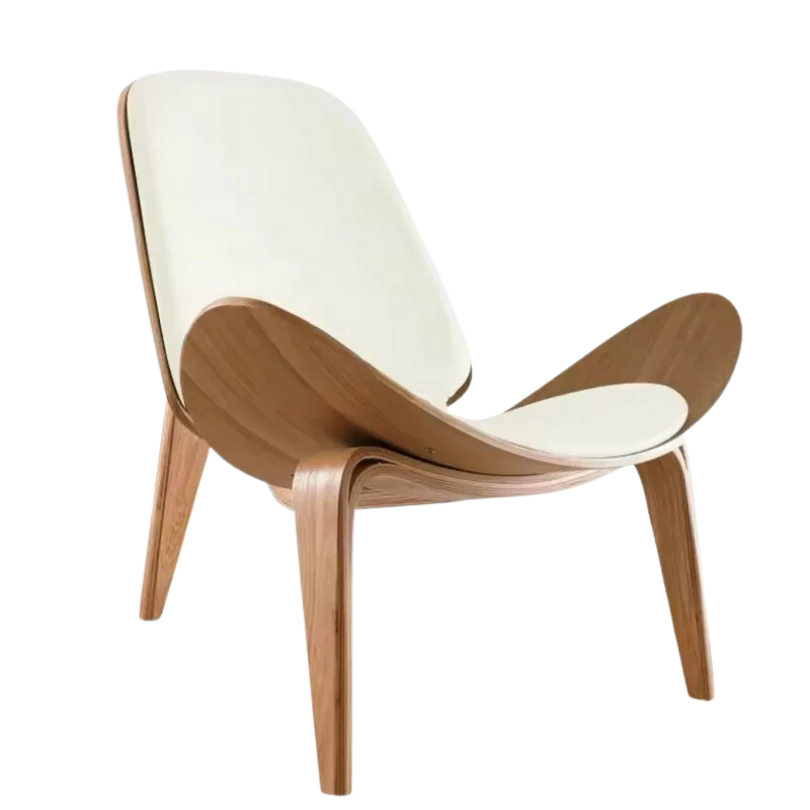
Luxury White Shell Lounge Chair with curved wooden frame and smooth upholstered seat, modern designer chair offering elegant comfort and style.
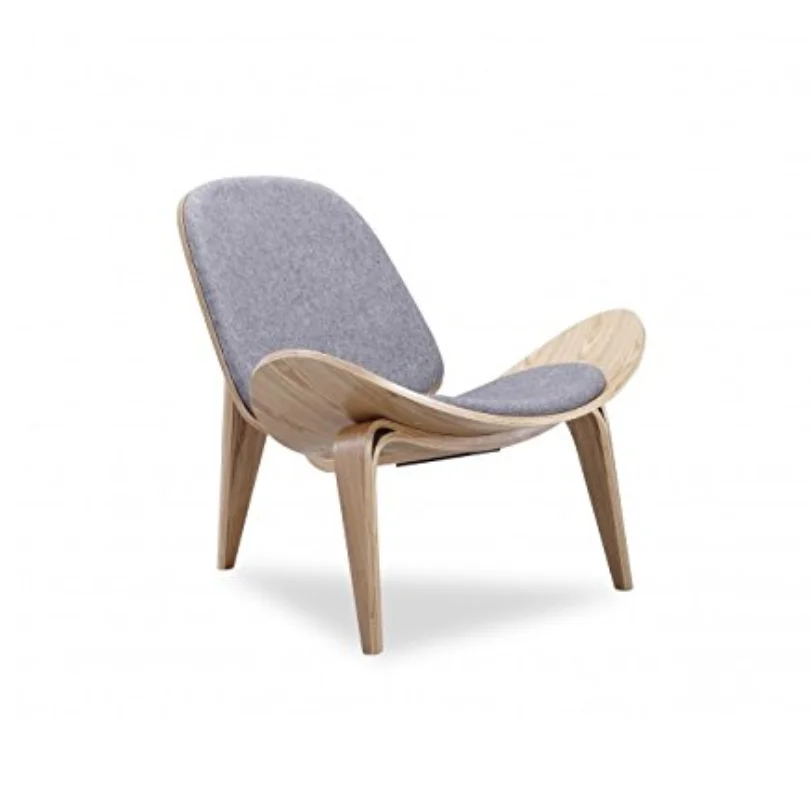
Pastel Fabric Gray Shell Chair with curved wooden frame and soft upholstered seat, modern lounge chair offering comfort and Scandinavian style.

2. Choose Textures That Support the Mood of the Space

Texture significantly affects how a room feels. Designers consider tactile qualities for visual interest and the emotional tone they bring to an interior.

Combining subtle base fabrics with more expressive upholstery, like Pastel Fabric Gray Shell Chair adds depth without clutter. Soft, refined textiles pair nicely with natural wood finishes or matte surfaces, while textured weaves bring movement and warmth.

This balance allows custom upholstery to feel sophisticated without overwhelming the layout, which is essential in modern interiors that value simplicity and clarity.

3. Prioritize Performance for Everyday Living

In residential and commercial settings, upholstery must endure daily use. Performance fabrics let homeowners enjoy comfort without frequent maintenance worries.

High-quality performance textiles retain their color, texture, and structure over time while resisting wear. This makes them ideal for living rooms, lounges, and high traffic seating areas. For designers, specifying durable upholstery, like Sol Shell Lounge Chair builds trust and ensures that spaces stay beautiful and functional long after installation.
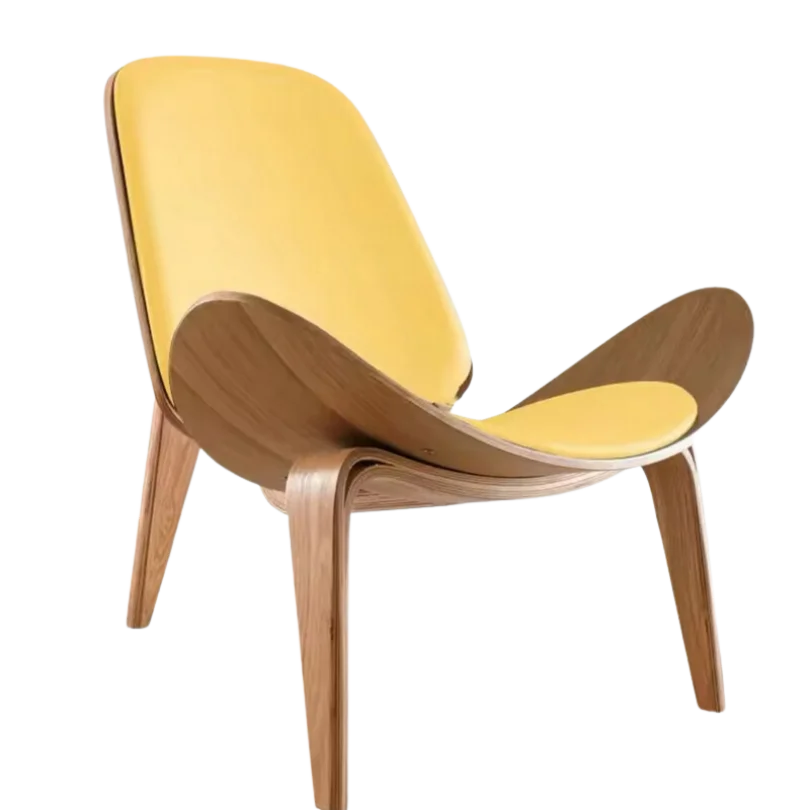
Sol Shell Lounge Chair with plush brown upholstery and sculpted shell design, modern lounge seating offering deep comfort and refined style.
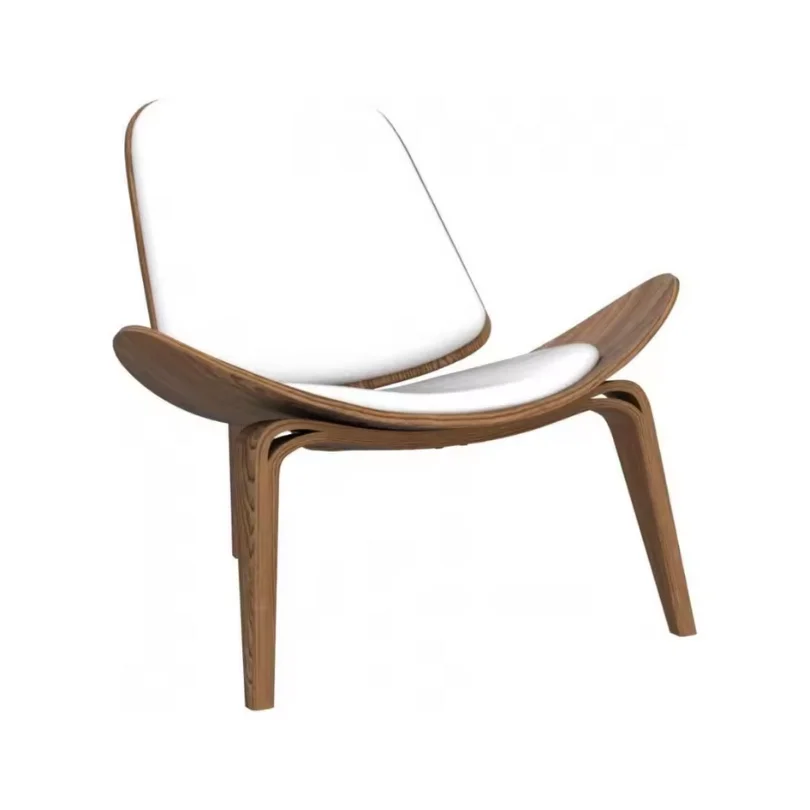
Luxury Ski Shell Chair with curved wooden shell and white upholstered seat, modern designer lounge chair blending elegance, comfort, and style.

4. Maintain Proportion and Visual Balance

Proportion is one of the most important yet often overlooked aspects of choosing upholstery. Furniture should support the scale of the room, not compete with it.

Well-proportioned upholstered seating helps keep smaller spaces open and larger ones structured.  Clean lines, appropriate seat depth, and balanced back heights contribute to layouts that feel intentional rather than crowded.

When proportion is handled well, furniture enhances flow and comfort while reinforcing the overall rhythm of the space.

5. Introduce Sculptural Accent Pieces Thoughtfully

A single sculptural upholstered piece can elevate an entire interior. Accent chairs with unique shapes or materials add dimension and personality without the need for excessive décor.

Textural contrasts, like pairing smooth upholstery with organic patterns, generate visual interest while maintaining a refined look. When used carefully, sculptural seating, for instance Cowhide Chic Shell Lounge Chair becomes a focal point that anchors the room’s design story.
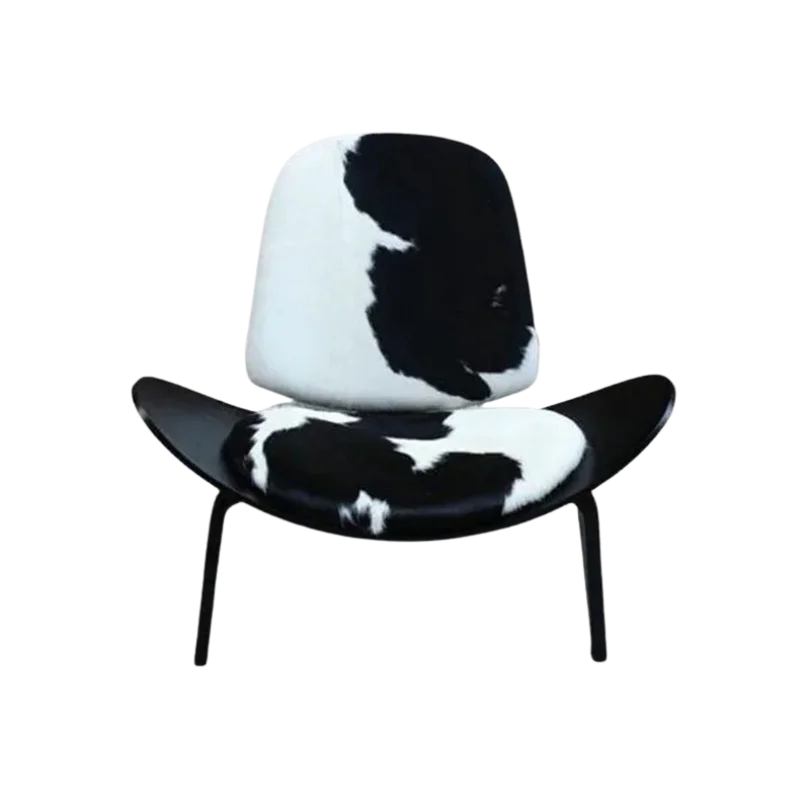
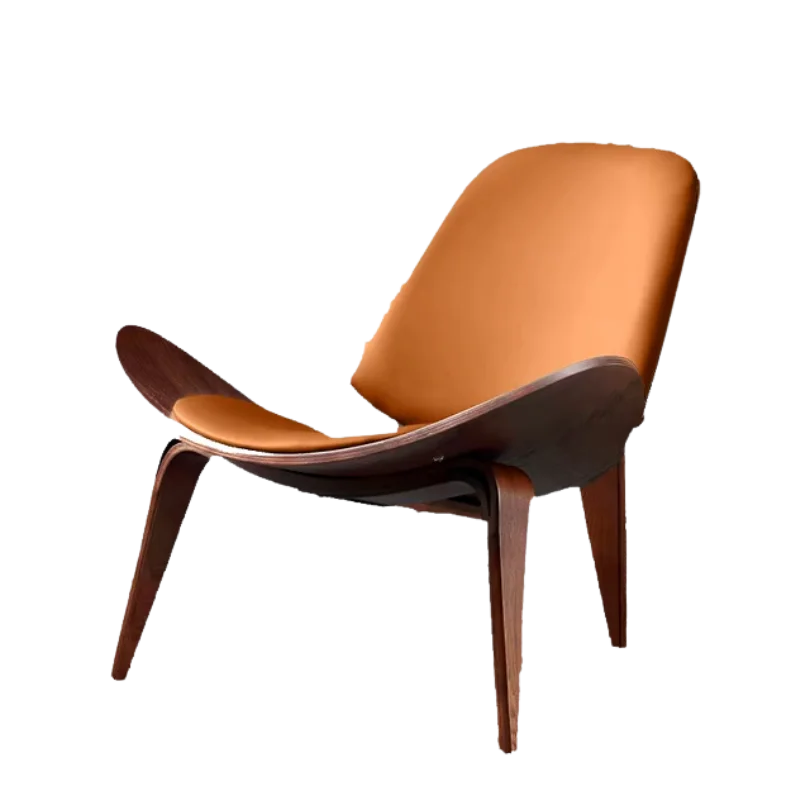
Cowhide Chic Shell Lounge Chair with black and white cowhide upholstery, curved shell seat and sleek modern metal legs
Naranja Shell Lounge Chair with warm orange leather upholstery, curved shell seat, and elegant wooden legs for modern luxury interiors

6. Use Warm and Cool Tones to Create Depth

Color temperature affects how a space is perceived. Pairing warm upholstery tones with cooler neutrals generates balance and visual depth.

Earthy shades offer warmth and comfort, while cooler accents add contrast and clarity. Thoughtful tonal layering results in interiors that feel composed and deliberate rather than flat. This approach aligns with modern color theory, where balance and restraint create lasting appeal.

7. Establish a Clear Visual Anchor

In open or multi-use spaces, a well-selected upholstered piece can guide layout and movement. A chair or sofa with a calm, confident presence organizes seating zones and creates natural focal points.

Anchoring the layout this way allows lighting, tables, and accessories to fit in more easily, resulting in interiors that feel structured yet relaxed.

Nostalgic Black White Hotel Shell Lounge Chair with houndstooth fabric seat, curved shell design and sleek black wooden legs
Luxury Black and Leche Hotel Shell Lounge Chair with elegant two tone upholstery, sculpted shell design, and refined wooden legs

8. Choose Craftsmanship Designed to Last

Custom upholstery should be built for durability. In high-use environments, quality construction is as important as appearance.

Well-made frames, robust cushioning, and carefully finished seams indicate attention to detail and long-term value. Furniture that ages gracefully reinforces confidence in both residential and commercial projects. This level of craftsmanship also allows pieces to look great with materials like stone, metal, and hardwood, supporting various design styles.

Designing with Intent Through Custom Upholstery

Custom upholstery becomes transformative when chosen with purpose. Each silhouette, fabric, and finish influences how a space functions and how it feels to live in.

At Mi Silla, we focus on customization, architectural harmony, and long-term performance in upholstered furniture. We collaborate closely with homeowners, interior designers, and project teams to ensure every piece aligns with the overall design vision. From sculptural accent seating to clean, modern upholstered designs, our collections aim to support daily living while maintaining refined aesthetics.

As a design partner, Mi Silla provides guidance, customization, and project support, helping turn ideas into furniture that feels made for its space.

Explore our bespoke upholstery collection and see how thoughtful design can add comfort, character, and lasting value to modern interiors.
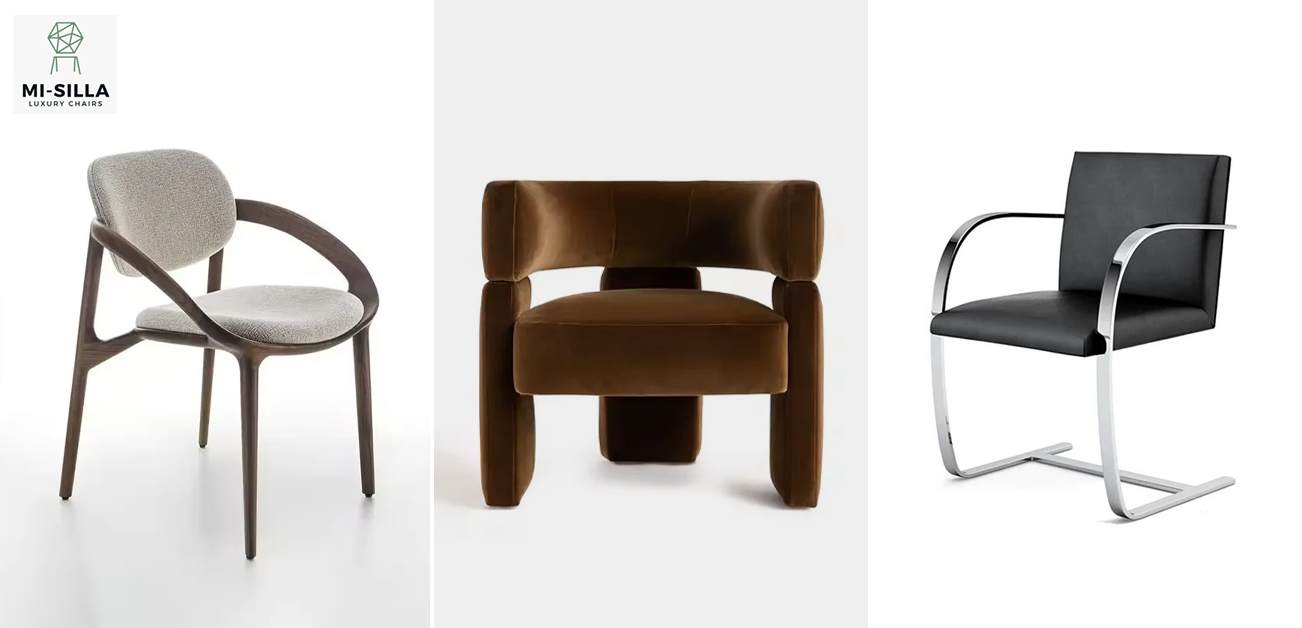
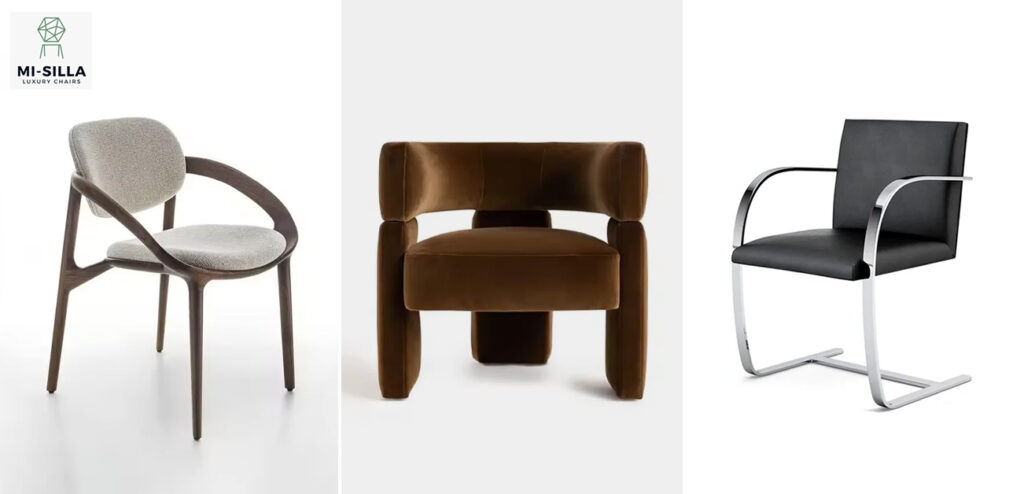
Modern designer chairs displayed side by side, featuring upholstered seating, sculptural wood, plush velvet, and sleek metal frames.

Give Your Home a Thoughtful Refresh with Distinct Furniture Design Styles

Modern designer chairs displayed side by side, featuring upholstered seating, sculptural wood, plush velvet, and sleek metal frames.

Give Your Home a Thoughtful Refresh with Distinct Furniture Design Styles

Designing an elegant interior involves more than just picking individual pieces. It’s about crafting a space that feels cohesive, intentional, and reflective of how you live in it.

For trade professionals, it also supports smoother spec’ing-aligning finishes, performance needs, lead times, and budget without compromising the design intent.

With so many furniture design styles to choose from today, turning inspiration into a balanced interior can be overwhelming, particularly in high-end residential or commercial projects.

A solid grasp of different furniture design styles helps both professionals and homeowners make confident choices. The goal is to balance aesthetics, comfort, and function – without compromising on quality.

For homeowners, it helps you invest with confidence; for designers and contractors, it streamlines sourcing and keeps the project cohesive from concept to install.

Whether you’re an interior designer defining a project’s identity or a homeowner planning a long-term refresh, this guide looks at refined furniture styles shaped by architecture, materials, and proportions. Read on for tips on how to choose the right design language to bring clarity to your space.

What Defines a Distinct Furniture Style?

A furniture style starts with a point of view. It’s how form, material, and craftsmanship come together to express a specific design approach. Designers rely on that clarity to create a cohesive visual story.

Knowing the differences between furniture styles helps you pull rooms together that feel balanced, modern, and personal instead of cluttered with unrelated elements.

Each piece communicates its identity through visual cues. Clean-lined solid wood dining tables often point to a contemporary style, while sculpted chair frames with soft curves suggest a more European-inspired or transitional look. Over time, you’ll recognize how proportion, silhouette, and details define a style.

Features like arched backrests, tapered legs, floating tabletops, or marble-accented bases can instantly elevate a room. The choice of materials adds to the overall story. Woods like oak, ash, and engineered hardwoods bring warmth and grounding, while metal accents add refinement and contrast. Upholstery choices add warmth and character, whether through textured fabrics or rich leather tones.

Customization is where style becomes personal: choose fabric or leather, adjust color and finish, and tailor dimensions so each piece fits the space-not the other way around.

Build quality also matters High-end interiors require furniture that balances durability with elegance. Seamless joints, hand-finished surfaces, and well-crafted frames show careful workmanship that’s built to last.

In commercial and hospitality settings, durable frames, performance upholstery options, and consistent finishes are key to long-term wear and client satisfaction.

Ultimately, a furniture style feels distinct when every detail has a purpose. When form, material, and construction work together, the space gains clarity and confidence, making it easier to explore different furniture design styles with intention.

How to Select the Right Furniture Style for Your Home’s Aesthetic?

The furniture style you choose impacts how your home feels from the moment you step inside. It’s about more than trends, the relationship between form, proportion, and material shapes the experience of the space.

Once you identify the atmosphere you want to create – calm, expressive, modern, or timeless – choosing furniture becomes easier. The following considerations can help ensure your interior aligns with both function and personal style.

1. Start with the Architectural Styleof the Space

Your home’s architecture offers guidance. Clean, modern layouts pair well with dining chairs like rounded-back dining chairs, minimalist profiles, and metal-legged seating. Traditional or transitional homes often benefit from sculpted silhouettes and richer textures.

Aligning furniture with architectural intent helps narrow down the styles that feel most fitting within the space.

2. Prioritize Function Before Visual Expression

Function is the foundation of good design. High-use spaces need durable, ergonomic seating and carefully designed storage. Once functionality is covered, the style choices come easier.

Look at curves, edges, and proportions helps identify furniture styles that balance performance with aesthetic appeal – an essential consideration in both residential and commercial settings.

For projects, prioritize performance fabrics/leather, cleanability, and warranty coverage – especially in high-traffic environments.

3. Use Materials and Finishes to set the direction

Materials affect mood and perception. Warm wood tones add grounding, stone surfaces feel elevated, and upholstered textures soften the visual field.

For instance, pairing a sculptural wood table with contemporary seating creates contrast without visual clutter. This process guides you toward furniture styles that match your taste and the project’s goals.

For designers, requesting finish samples and confirming consistency across batches helps avoid surprises during installation.

4. Let Scale and Proportion Guide Decisions

Scale affects how furniture fits within the space. Open layouts benefit from generous dining tables or wide-back accent chairs, while compact rooms call for lighter silhouettes and slimmer designs.

Think about traffic flow, lighting, and focal points into account helps identify furniture types and styles that enhance the room without overwhelming it.

In commercial spaces, consider traffic patterns, clearance, and durability requirements before locking the final silhouettes.

5. Build Cohesion Through Repetition and Contrast

Cohesion arises when subtle design elements – like arched forms, tapered legs, or consistent textures – repeat throughout a space. Contrast, introduced through materials or accent pieces, keeps the space visually interesting.

Many designers mix modern and transitional influences to create layered yet intentional interiors. The key is to make sure every choice supports a unified design language.

Room-by-Room Furniture Design Styles That Elevate the Home

Each room benefits from a distinct design approach while staying connected to the overall aesthetic. Thoughtful furniture choices shape how spaces function, feel, and flow together.

1. Living Room

Modern minimalism brings clarity and calm to living spaces. This approach also works beautifully in boutique hotel lounges and model homes where calm, sculptural pieces elevate the experience.

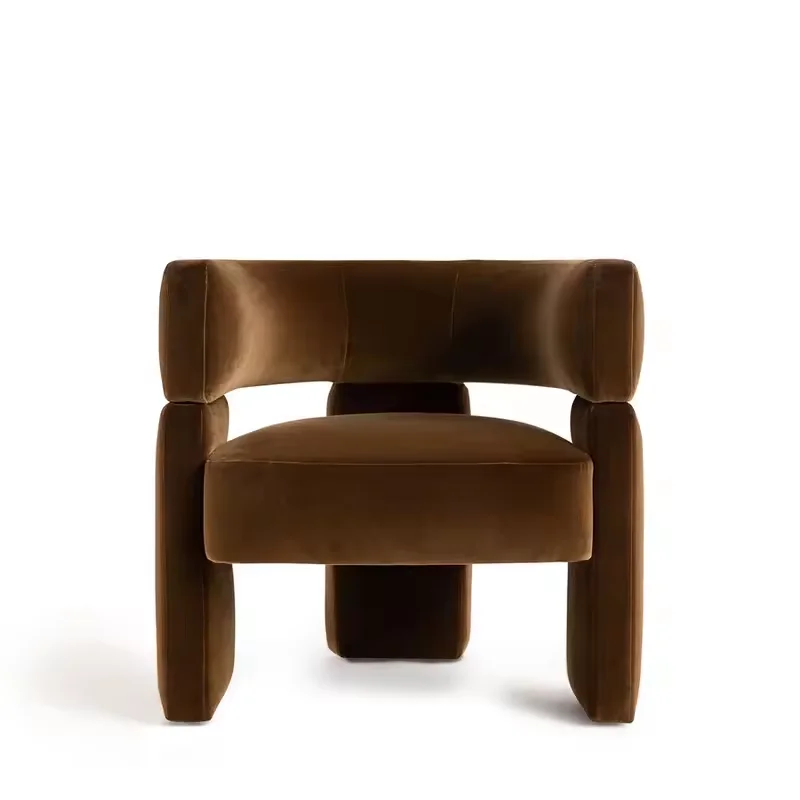
A sculptural armchair, like the Litho Armchair, with soft curves can anchor the room while keeping the room feeling open. Balanced shapes encourage conversation and visual harmony, setting the tone for the rest of the space.

Litho Armchair featuring a sculptural modern design with plush brown upholstery, curved armrests, and a bold contemporary silhouette for luxury interiors
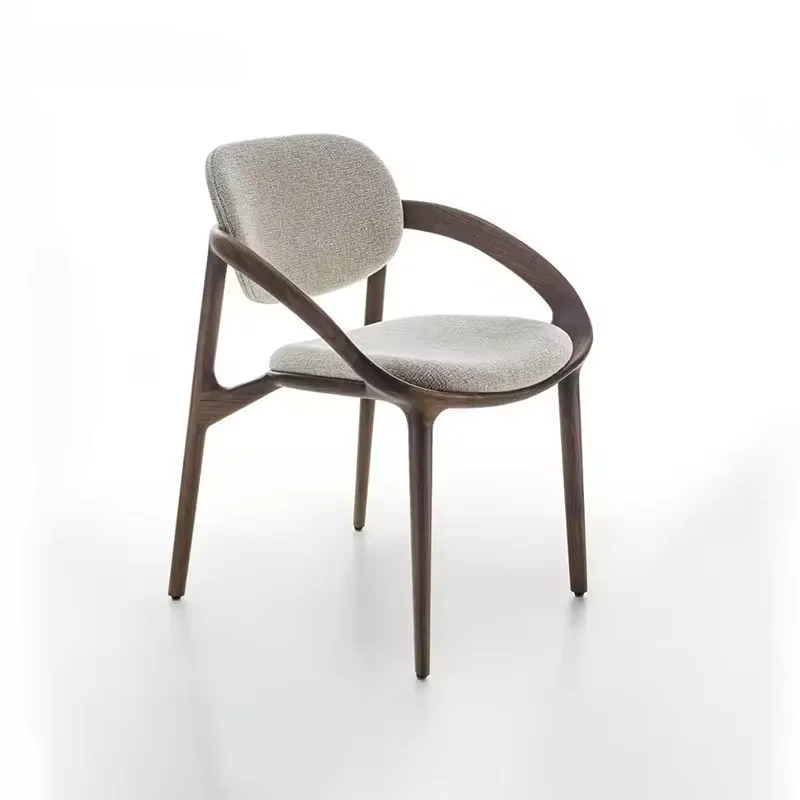
Molly Chair Armchair with elegant curved wooden frame, upholstered seat and backrest, offering a refined modern design for dining or living spaces

2. Dining Room

The dining room thrives when comfort meets structure. For restaurants or multi-family amenity spaces, prioritize supportive seating, stain-resistant options, and easy-care materials. Upholstered dining chairs, like Molly Chair Armchair with gentle curves and supportive designs make everyday meals more comfortable while keeping a clean, modern look. Material and color choices should reflect the broader furniture style for consistency and warmth.

3. Entryway

The entryway sets the tone for the home. In lobbies and reception areas, one signature chair can establish the design language while staying practical for daily use. A statement chair, such as, the Maia Armchair, with a strong presence makes a strong first impression while establishing the design language early. Well-crafted forms allow flexibility in mixing materials without breaking cohesion.

Maia Armchair with a rounded contemporary silhouette, vertical textured upholstery, and a sleek swivel base, ideal for modern living spaces
Brno Flat Bar Side Chair featuring a sleek cantilever steel frame, black leather upholstery, and minimalist modern design for offices or dining spaces

4. Study

A home office needs structure and balance for offices and project spaces, clean lines and ergonomic comfort matter just as much as the visual statement. Chairs with clean lines and supportive designs, like Brno Flat Bar Side Chair support focus and pair well with shelving, lighting, and work surfaces. Furniture choices here should strengthen both function and quiet sophistication.

5. Playroom

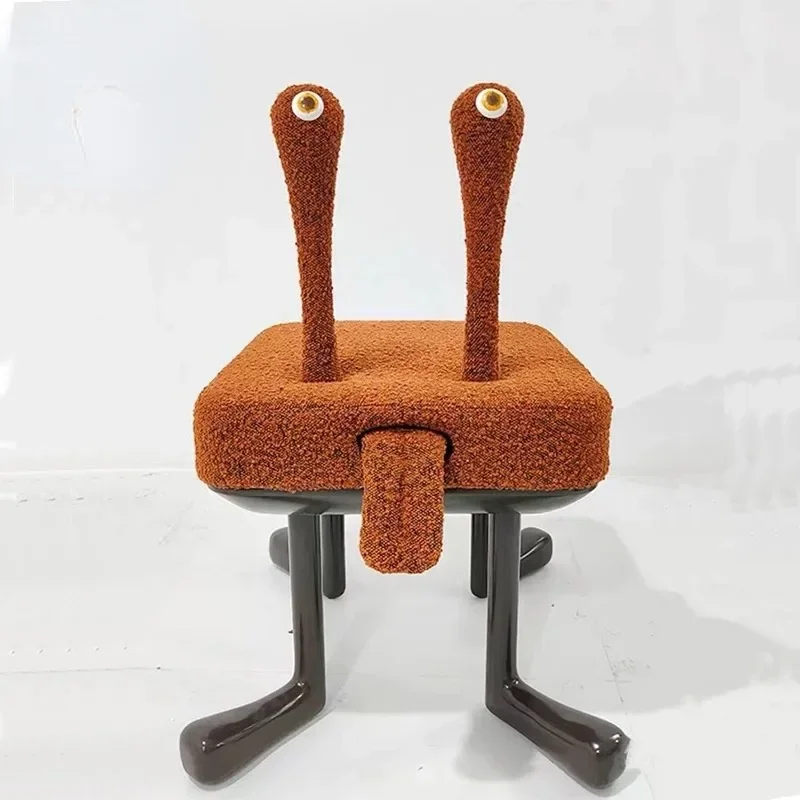
A well-designed playroom balances creativity with durability. In family homes and kid-friendly commercial zones, choose rounded forms, durable upholstery, and easy-to-clean finishes. Soft, playful shapes and color accents, similar to Snail Design Flannel Colorful Stool add a pop of personality without overwhelming the space. Thoughtful furniture selections let playful design coexist with practical, kid-safe storage.

Snail Design Flannel Colorful Stool featuring a playful sculptural form, soft textured upholstery, quirky legs, and a whimsical modern accent design

Transform Your Home with Timeless Design

Whether you’re designing a home or a commercial space, Mi Silla recognizes the importance of furniture that balances craftsmanship, longevity, and design clarity. Every room has a point of view, and the furniture you choose influences how that story unfolds through proportion, material, and presence.

Our approach helps designers and homeowners navigate different furniture styles with confidence, making sure each piece fits the architecture and lifestyle needs. From clean modern forms to sculptural accents, our collections support evolving spaces while honoring classic principles of balance and restraint.

Trade professionals can also request swatches, finish samples, and project support for specifying custom sizes, materials, and lead times.

If you’re ready to create interiors that feel thoughtful, cohesive, and lasting, browse our curated collections and bring your next design vision to life with Mi Silla.