


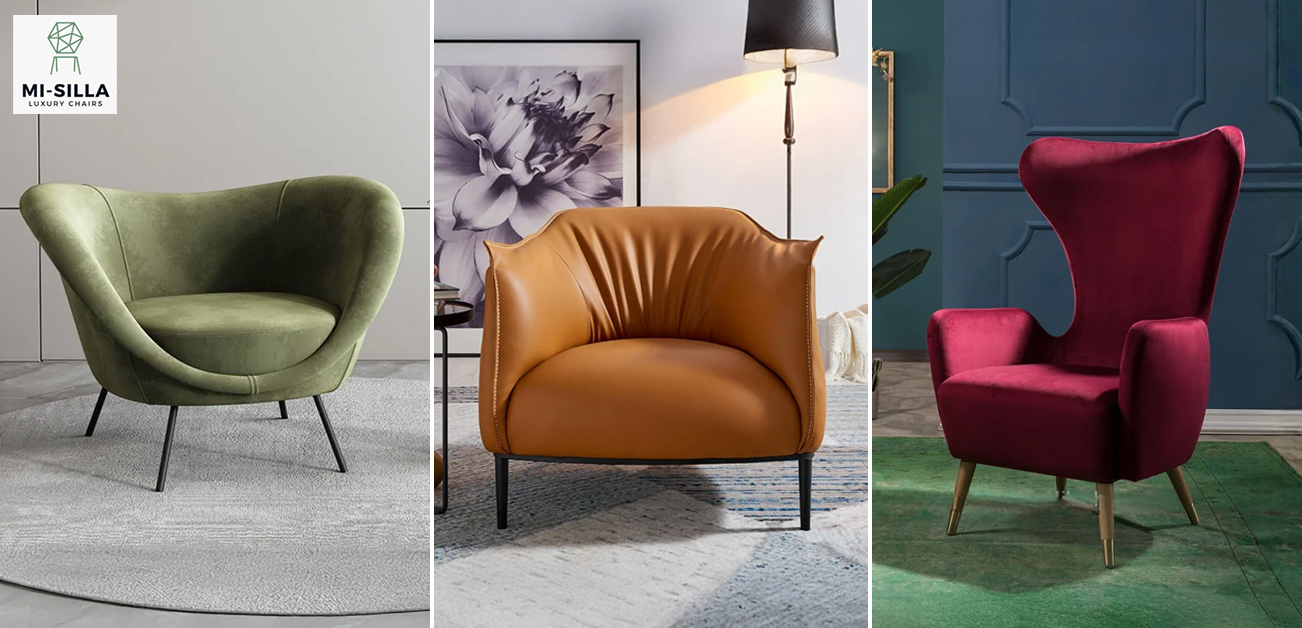
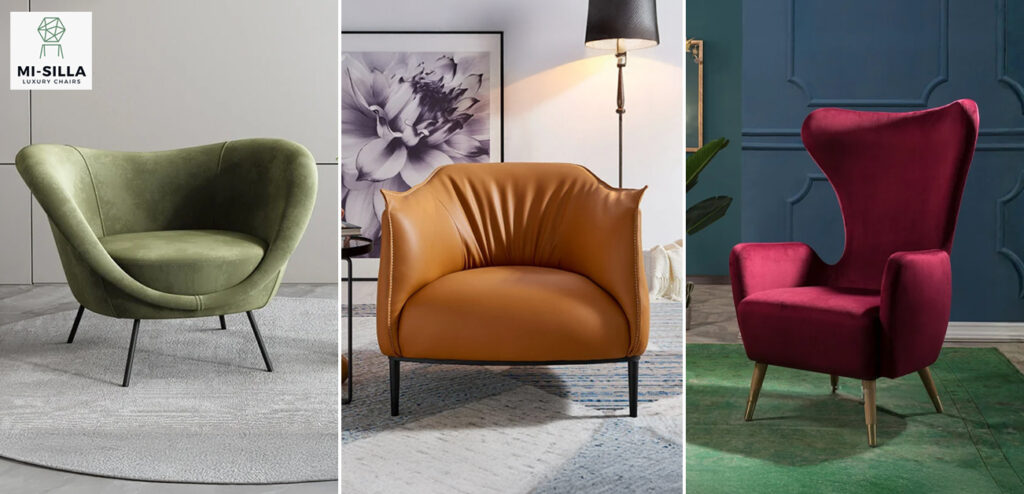
Best Armchairs for Living Room in 2026: Premium Custom-Made Picks That Fit Your Lifestyle
In 2026, living rooms have become true multi-purpose spaces—used for relaxing, hosting, working, and reconnecting. Unlike traditional layouts of the past, today’s living room is no longer a single purpose space. Mi Silla is a design-led upholstery studio and manufacturer, creating made-to-order seating customized in comfort, proportions, and materials for homeowners and the trade.
In this multi-functional world, the armchair is so much more than just another piece of home décor for a corner. It’s a little haven. It’s the focal point of space and, quite frankly, the hottest battle for the cushiest spot in the house.
In modern open plan homes, living, dining, and work areas often flow into one another. Armchairs play a critical role in zoning these spaces, offering definition without the need for walls or heavy visual barriers. For the homeowner, the best living room chairs will provide comfort that not only lasts through the years but remains pleasing at the close of the working day. For interior design professionals and architects, the use of the armchair and the living room armchairs are a practical tool for managing scale and proportion in open layouts.
This guide explores the best armchairs for living rooms in 2026, focusing on thoughtful design, lasting comfort, and custom-made flexibility.
What Makes an Armchair the Best for a Living Room?
The ideal armchair is not merely one that follows the latest designs, has the best colors, and has the best shapes. In a living room, it is the place that people always come back to, the one that is the best fit, even when they can’t explain how it’s the best fit. This is what dictates the top-rated armchairs from merely good-looking furniture that people keep in the corner.
- Comfort is fundamental. Seat depth, back support, cushioning density, and arm height all affect long term performance. A sculptural armchair may look impressive, but without proper ergonomic support, it will never function as one of the most comfortable armchairs for everyday living. Well-designed armchairs strike a balance, offering extended sitting comfort while maintaining refined aesthetics.
- There is another aspect of the design of an armchair that often gets overlooked, and that has to do with adaptability. The most desirable type of armchair can transition effortlessly between the stages of one’s life. That same chair that serves to entertain friends in the present shall be just as comfortable in the still of night in the coming years.
- Designers also focus on how an armchair looks from various angles. While sofas tend to be seen from the front, armchairs may be seen from the side or from behind, particularly in open spaces. A good armchair should look good from any angle, so as not to disturb the unity of the living room decoration.
- Scale is also necessary. An armchair should be in scale with the sofa, coffee table, carpets, and paths of circulation. Large and comfortable armchairs are ideal in large living spaces, and a single armchair can be very effective in this context. However, in smaller spaces, functional scale, weight, or scale in design can be quite effective in order not to overwhelm the space.
- Designers consider armchairs as part of the overall seating arrangement instead of individual pieces.
- Longevity is a crucial factor, too. The best armchairs are designed to last, feature strong frames, have quality upholstery, and go beyond temporary trends. In homes where living rooms are used every day, this long-term focus helps maintain comfort and appearance.
- There is also an emotional dimension to consider. Cozy, well-designed armchairs support relaxation, evening reading, quiet conversations, and moments of rest. When comfort and design align, the armchair becomes part of everyday life rather than a piece admired but rarely used.
Living Room Armchairs vs Accent Chairs: Understanding the Difference
Although often grouped, living room armchairs and accent chairs serve distinct roles—and choosing the wrong one can impact both comfort and layout.
Armchairs in the living room are made to be functional in the everyday home. They are made with functionality in mind; hence, they are made to be supportive while sitting down. These classifications of chairs are part of the major seating setup in a house.
Accent chairs, on the other hand, have a secondary purpose. Accent chairs can be picked for adding contrast or color and are usually positioned near windows or in the corners of rooms. Although accent chairs may be visually interesting pieces of furniture, they may not always be the most comfortable armchairs for the living room.
Most interior designers use both types together regularly. A supportive armchair may handle everyday sitting, while a sculptural accent chair adds personality and character. The understanding of what an armchair is, in practical terms, will help the homeowner avoid various common mistakes; for instance, selecting a visually striking accent chair for daily use, only to find it is not comfortable enough.
Key Design Considerations Before Choosing a Living Room Armchair
Selecting comfortable armchairs for living room spaces requires more than a first impression. Each chair must work with the room’s layout, surrounding furniture, and circulation patterns.
Seat Depth and Back Support
The depth of a seat affects posture and comfort. Seats with low depths are best for standing-up sitting and are appropriate for conversation-oriented seating arrangements. Deeper seats encourage relaxation and are common in lounge style armchairs. Backrest height and angle should support the natural curve of the spine, especially in chairs intended for long term use.
Arm Height and Overall Posture
Arm height affects how relaxed or formal a chair feels. Lower arms create a casual, lounge-like posture, while higher arms offer structure and support, often preferred in reading chairs or comfortable reclining armchairs.
Scale Relative to the Room
An armchair should feel proportional both to the room and to the sofa. In compact living rooms, lighter silhouettes keep the openness; in larger ones, extra-large comfortable armchairs help anchor seating zones without feeling disconnected.
Visual Weight and Openness
Materials and form make a difference in visual weight. Upholstered chairs with slender legs seem lighter. On the other hand, chairs completely grounded in one form feel heavier. Designers use this contrast intentionally to balance intensity and openness within modern interiors.
Placement and Function
Whether placed near a window, beside a sofa, or as a standalone reading chair, placement should support circulation. Thoughtfully placed armchairs in living room layouts enhance flow rather than interrupt it.
Lighting & Structure
Lighting interaction is another factor worth considering. Armchairs placed near windows or floor lamps should harmonize with light sources. Upholstery texture, color depth, and silhouette all affect how light moves through space.
Soft fabrics diffuse light gently, while structured upholstery creates sharper contrast, both valuable tools when shaping a living room’s mood.
Best Armchairs for Living Rooms in 2026
Instead of viewing armchairs individually, the most effective living rooms in 2026 incorporate them thoughtfully, every chair working together to effectively promote comfort, scale, and rhythmic space. These grouped categories illustrate current usage of living room armchairs in today’s modern settings.
Comfort and Structure
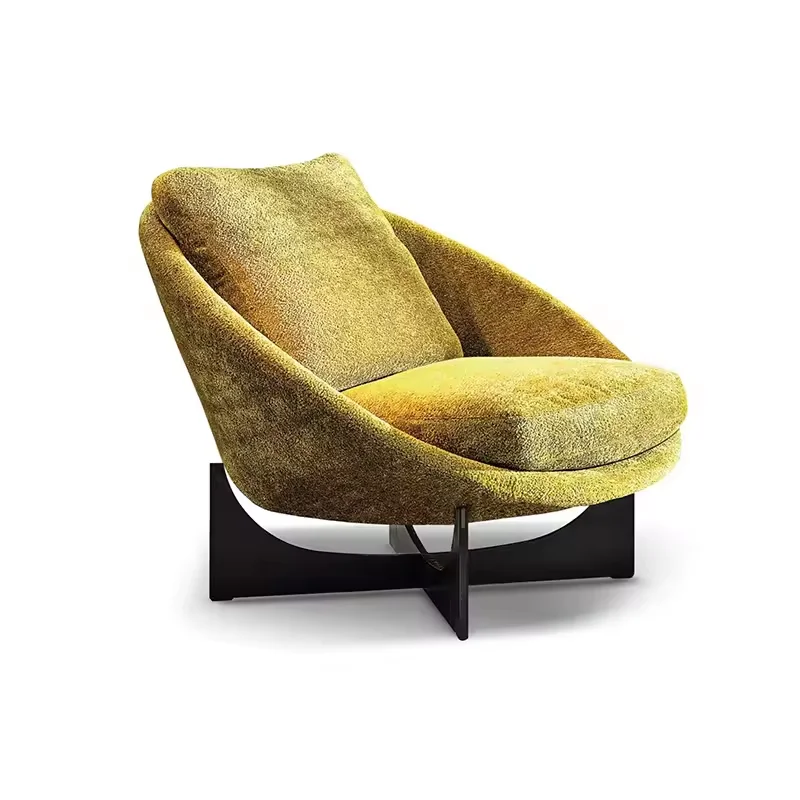
The Billie Armchair features a tailored silhouette paired with generous cushioning, making it an excellent choice for living rooms that support daily lounging as well as social seating. It feels composed yet inviting, encouraging regular use without visual heaviness.
Ease and Flow
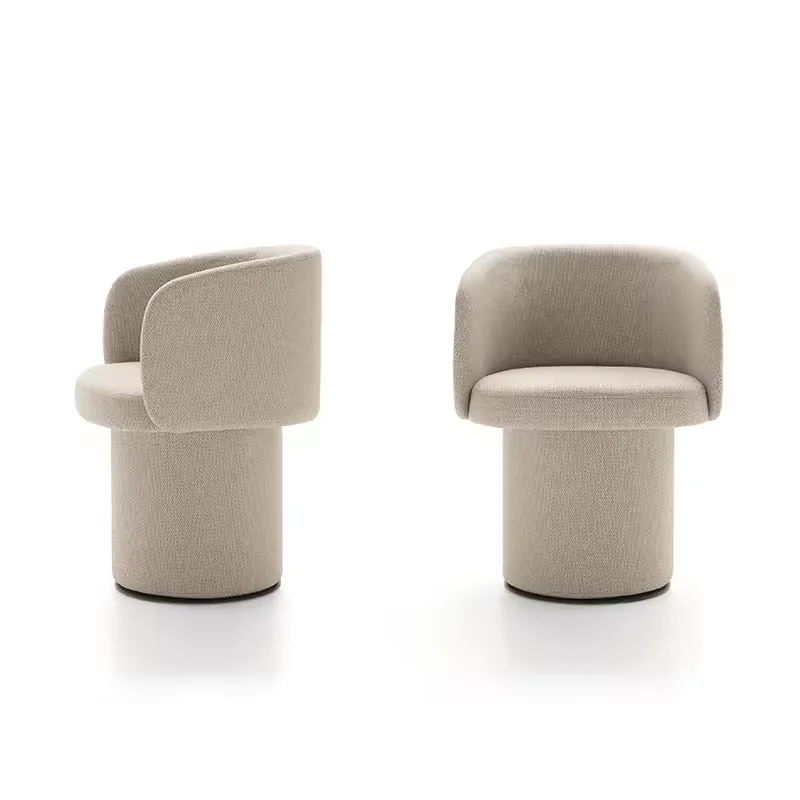
The Lido Armchair brings a relaxed but composed presence to living rooms designed around conversation. Its balanced proportions allow it to sit comfortably alongside sofas, supporting conversation while maintaining calm visual order.
Visual Openness
With its airy proportions and refined stance, the Maia Armchair suits living rooms that require visual lightness without sacrificing comfort. It works especially well in open or compact spaces where maintaining flow and openness is essential.

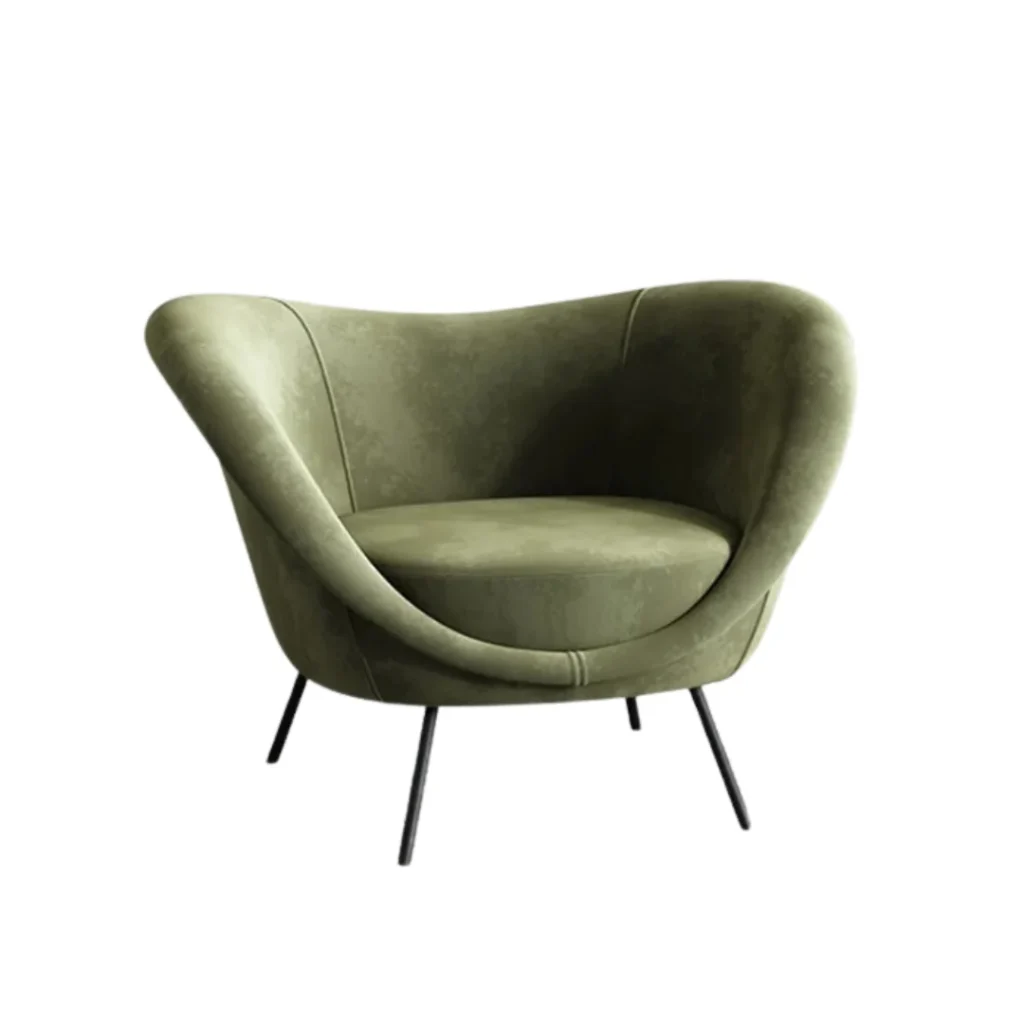
Mid-Century Architecture
The D.154.2 Armchair introduces mid-century character through architectural curves and thoughtful balance. Its sculptural form makes it ideal for living rooms where design history and modern proportion come together in a controlled, intentional way.
Room Defining
The Pablo Armchair offers a bold yet disciplined silhouette, making it a strong choice for interiors where a single armchair acts as a focal point. It adds presence and personality without overwhelming the surrounding furniture.
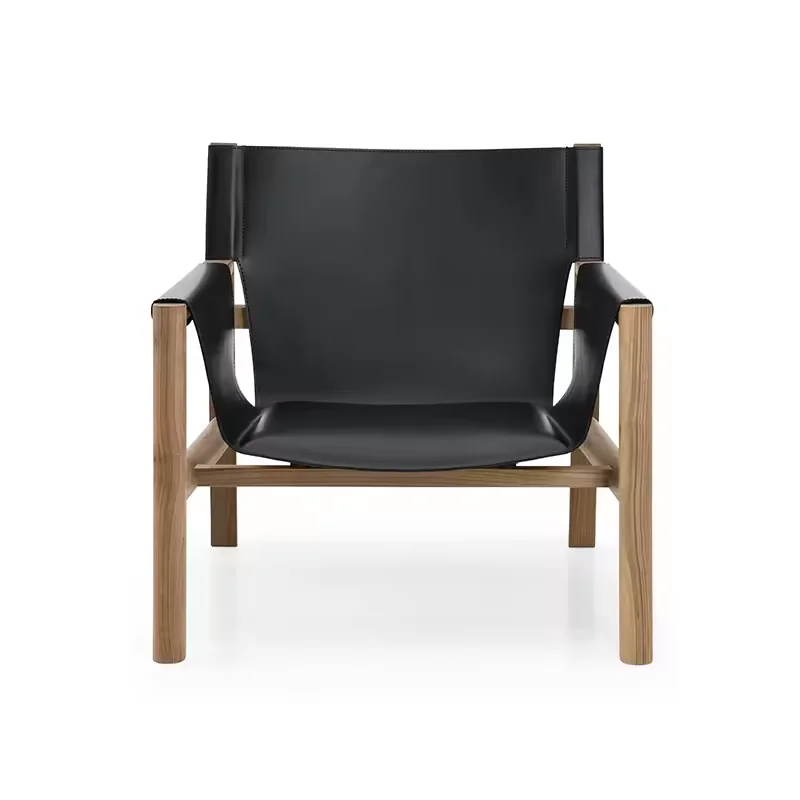

Statement Seating
Best suited for larger living rooms, the Luxury Totu Armchair delivers statement of seating that feels deliberate rather than excessive. Its confident scale anchors the space while reinforcing a sense of refined luxury.
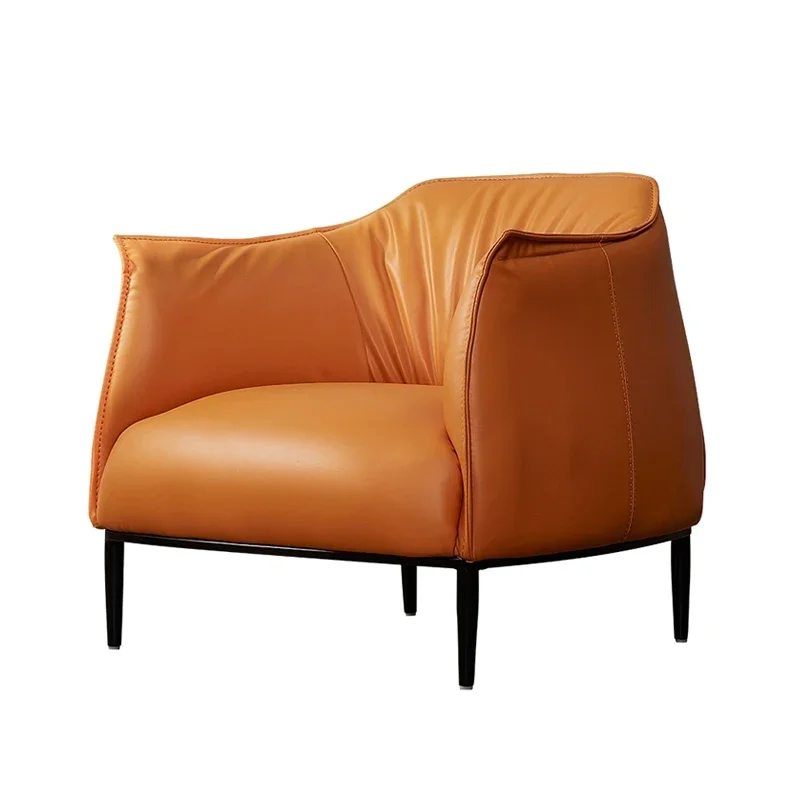
Relaxed Use
The Archibald Armchair is crafted for extended sitting, combining a supportive structure with a relaxed, lounge-ready form. It’s ideal for living rooms where comfort, posture, and refined design need to work together seamlessly.
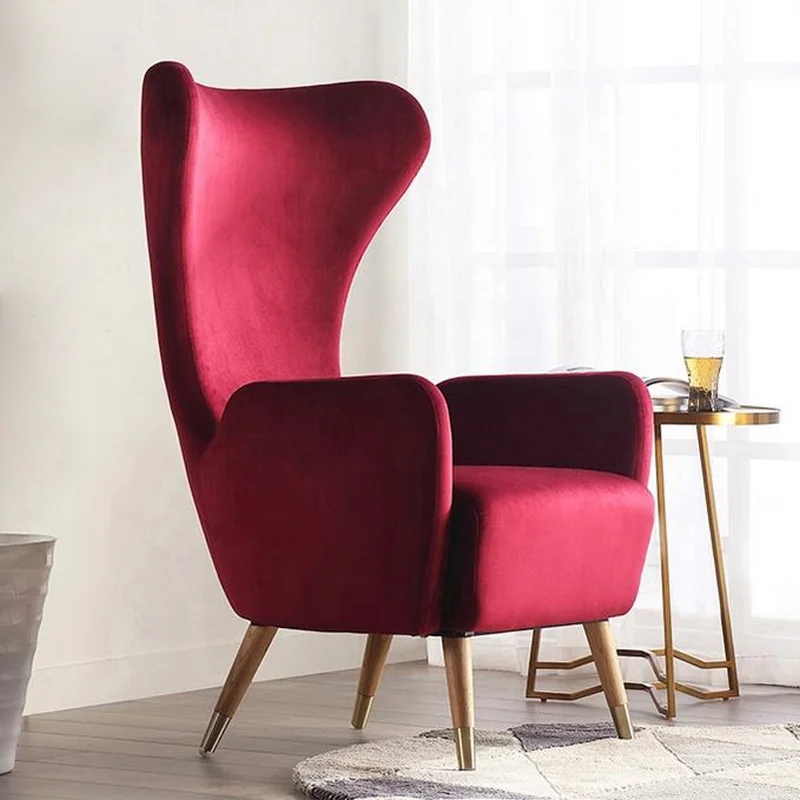
Quiet Zones
The Wingback Wing Fabric Armchair provides high-back support that naturally suits reading corners and quieter living room zones. Its enveloping form offers both comfort and privacy, making it ideal for moments of focus and rest.
Modern Living
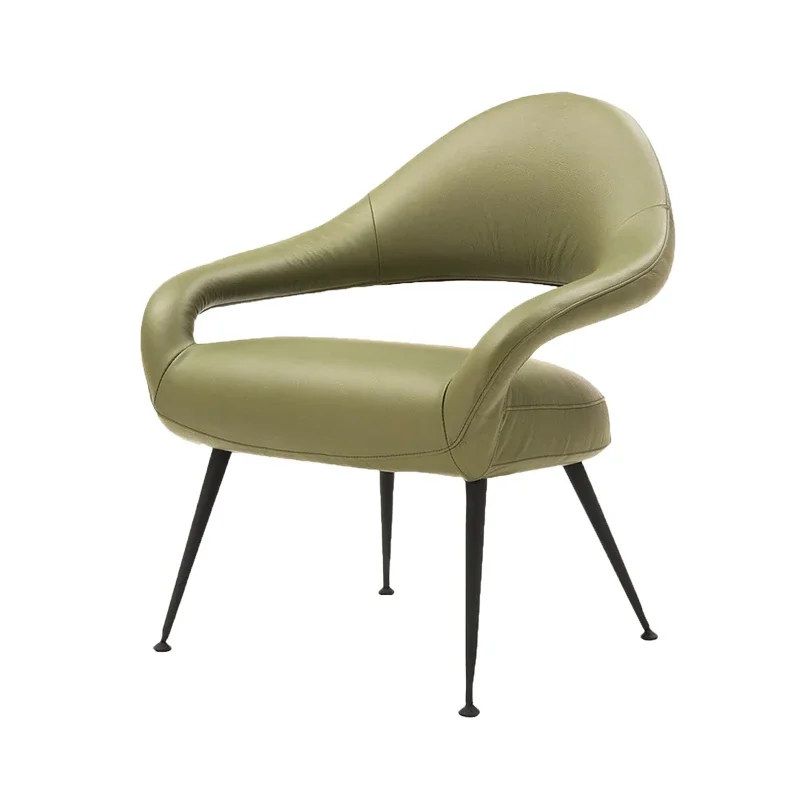
The Frau Armchair strikes a balance between comfort and contemporary design.
Its well-proportioned design allows it to remain relevant as living rooms evolve over time.
Transition Across Styles
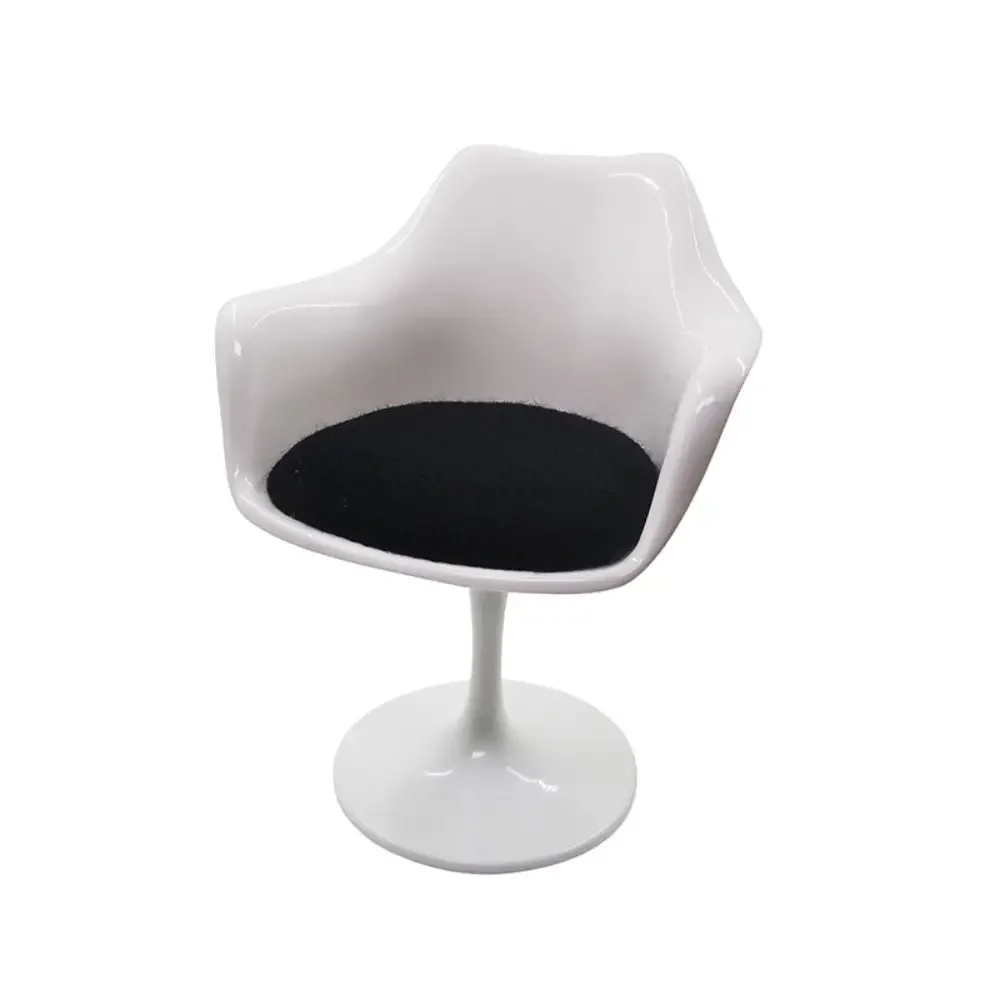
The Tulip Armchair integrates effortlessly into both modern and transitional interiors, making it a reliable long-term choice. Its well-proportioned form allows it to adapt as living rooms evolve, without feeling tied to a specific trend.
Why Custom-Made Armchairs Matter?
Living rooms are seldom one size fits all spaces , nor are people who live in them. In 2026 interiors, custom-designed armchairs help seating match real lifestyles and daily routines.
For homeowners, customization entails designing the living room area by choosing armchairs that are comfortable, fitted according to how such an area is utilized. Functional changes are applied in terms of the depth of seating, lumbar support, and material.
In design and architectural communities, customization gives the designer control over scale and proportion, particularly when working with open-plan spaces. Rather than forcing a space to fit pre made furniture, armchairs can be designed to follow architectural rhythm. Ultimately, a custom-made armchair feels purposeful, supporting comfort, clarity, and long-term use.
What You Can Customize in a Living Room Armchair
- Upholstery type (performance fabric, velvet, leather) + tonal color matching.
- Base and legs (wood stain, metal finish, leg height).
- For the trade: COM/COL, specs, lead times, and project coordination.
Choosing an Armchair That Feels Considered
In 2026, the best armchairs for living room interiors are defined by intention rather than trend. As living spaces continue to serve multiple purposes, armchairs play an increasingly personal role, supporting posture, comfort, and daily routines.
For homeowners, this means investing in armchairs that feel natural and enduring. For designers, it means selecting pieces that respect proportion and architectural language. At Mi-Silla, armchairs are approached as part of a larger design conversation. Through customization, material expertise, and thoughtful construction, Mi-Silla creates living room armchairs that feel cohesive, refined, and genuinely lived in.